


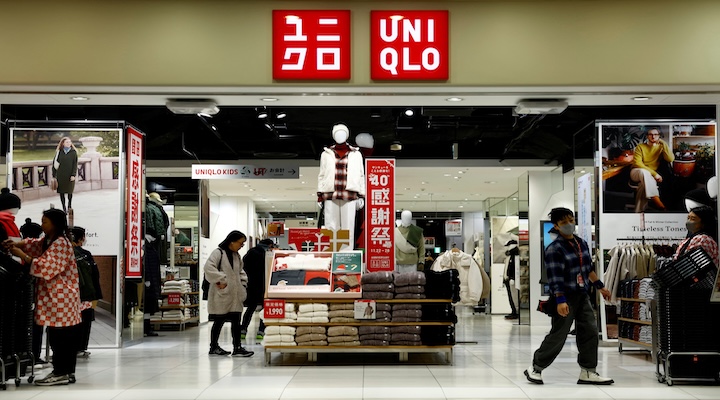
Uniqlo adds over 100 new stores across Vietnam, Indonesia, and the Philippines
Fast Retailing, the parent company of Uniqlo, is accelerating its growth in Southeast Asia. The company plans to open more than 100 new stores in Vietnam, Indonesia, and the Philippines by 2028. This expansion reflects a major shift in regional consumer trends—driven by growing middle-class demand, rapid urbanization, and a stronger appetite for accessible fashion. With this initiative, the Fast Retailing Southeast Asia expansion becomes a key pillar in Uniqlo’s global growth strategy.
Background: Southeast Asia rises as Uniqlo’s next growth hub
By mid-2025, Fast Retailing had increased its focus on Southeast Asia. In Vietnam, rising incomes and expanding cities have boosted demand for Uniqlo’s practical, minimalist clothing. Indonesia, the world’s fourth most populous nation, is seeing strong momentum thanks to e-commerce growth and an expanding mall culture. At the same time, the Philippines is becoming a promising market, supported by a youthful population and high levels of digital engagement.
This growth builds on Uniqlo’s earlier success in Thailand and Malaysia, where the LifeWear concept—everyday clothing that is simple, stylish, and affordable—has resonated with a wide consumer base.
Strategic moves: Local insight meets global consistency
Fast Retailing’s strategy in Southeast Asia goes far beyond increasing store numbers. The company is adapting product lines and customer experiences to local needs. In warmer climates like Vietnam and the Philippines, Uniqlo has introduced breathable fabrics and lightweight designs. At the same time, marketing campaigns have become more localized, featuring bilingual content and collaborations with regional influencers.
Uniqlo is also expanding its omnichannel retail infrastructure. This approach blends physical store access with seamless online shopping, which is increasingly important in mobile-first economies.
Editorial insight: Japan’s design values find new ground in Asia
Fast Retailing’s Southeast Asia strategy showcases the strength of Japan’s consumer design philosophy. It highlights simplicity, durability, and long-term quality—values that resonate with modern shoppers. Unlike some global fashion brands that struggled to localize effectively, Uniqlo’s approach is methodical and grounded in cultural relevance.
This mirrors a broader shift in Japan’s corporate outlook. Rather than chasing rapid growth, companies like Fast Retailing are focusing on trust-building, long-term engagement, and market-specific innovation. Uniqlo’s success reflects how disciplined expansion, paired with brand integrity, can drive regional leadership.
Future outlook: Southeast Asia becomes core to Uniqlo’s global vision
Looking ahead, Southeast Asia is likely to become Uniqlo’s third-largest market by 2030, following Japan and China. Analysts expect the region’s expanding consumer base to drive not only retail growth but also investments in logistics, local production, and talent development.
Sustainability is also a rising priority. In Vietnam, Fast Retailing is testing new approaches in green packaging, local sourcing, and energy-efficient store designs. These initiatives align with its global ESG (environmental, social, and governance) goals. If successful, the region could become a blueprint for how global retailers navigate emerging markets with a sustainable, human-centered approach.
Conclusion: Fast Retailing sets the pace for Asia’s evolving retail landscape
The Fast Retailing Southeast Asia expansion is more than a retail milestone—it represents a long-term investment in Asia’s rising consumer power. By adapting Japanese design values to regional preferences, Uniqlo is building a scalable model for success in Asia’s next-generation retail economy.
As Vietnam, Indonesia, and the Philippines move from manufacturing hubs to fast-growing consumer markets, Fast Retailing is positioning Uniqlo at the center of that transformation. With this bold step, the brand is helping shape what the future of retail in Asia will look like.