




India China trade and flights
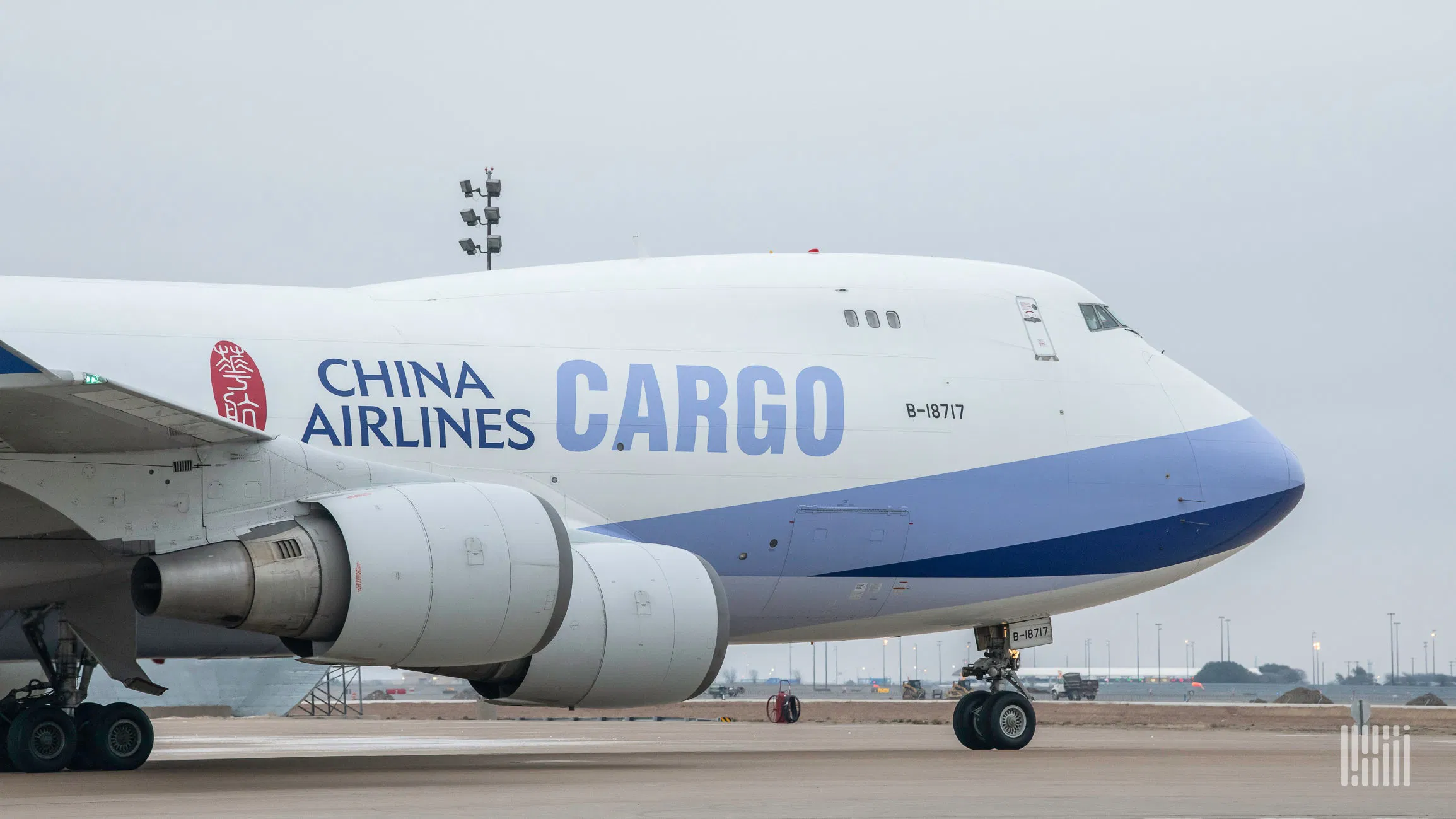
India and China, Asia’s two largest economies, have agreed to restore direct flights and boost trade and investment ties. The move comes after several years of disrupted air connectivity caused by the pandemic and geopolitical strains. By reopening skies and strengthening economic channels, both nations aim to improve supply chains, revive tourism, and expand bilateral business flows across South Asia and East Asia.
Trade resilience amid strained relations
Despite political challenges, trade between India and China has shown resilience. According to India’s Ministry of Commerce, bilateral trade reached $136 billion in 2023, with India importing electronics, chemicals, and machinery while exporting raw materials and agricultural products.
Before 2020, airlines operated hundreds of weekly flights connecting major cities such as Beijing, Shanghai, Delhi, and Mumbai. These flights carried students, professionals, and tourists, supporting stronger cultural and business ties. The suspension of flights disrupted mobility and raised costs for companies and individuals. Many Indian students pursuing higher education in China struggled to return, while supply chain delays became a common problem for businesses.
Moreover, tourism was one of the most affected sectors. Chinese travelers were among the top inbound groups for India’s heritage destinations, while Indian tourists were increasingly visiting China’s cities and cultural landmarks. The restoration of flights is expected to revive this vital people-to-people connection.
Why reopening flights matters now
The resumption of direct air links signals a policy shift for both countries. While political tensions remain, economic pragmatism has pushed leaders to find common ground. Aviation and trade officials from both sides see flight restoration as a confidence-building measure that can stabilize wider relations.
Moreover, both India and China are seeking growth through regional trade integration. India has expanded connectivity with Southeast Asia through initiatives like the International Solar Alliance and the India–ASEAN free trade framework. China, on the other hand, is advancing its Belt and Road projects. By reopening flights, the two nations indirectly support their broader regional strategies.
For businesses, this change could reduce costs and increase efficiency. Technology firms, pharmaceutical exporters, and e-commerce players are likely to benefit from smoother logistics. Airlines such as Air India and China Eastern are already preparing routes, while low-cost carriers may explore niche city pairs in the future.
Opportunities and cautious optimism
From an editorial standpoint, this development highlights how India China trade and flights are not just about transportation. They represent a barometer of bilateral relations. Reopening skies suggests both sides recognize the importance of economic interdependence even when political alignment is limited.
However, caution remains. Security concerns, market access issues, and regulatory hurdles could still affect business outcomes. Indian industry leaders have repeatedly called for a more balanced trade structure, as imports from China heavily outweigh exports. At the same time, Chinese investors are keen to explore India’s expanding consumer base, particularly in sectors such as electric vehicles, digital payments, and green technology.
Moreover, global investors are closely watching the partnership. As both countries face external competition from Southeast Asia and the West, their decision to ease restrictions could signal a willingness to cooperate on economic stability in Asia.
Building bridges through connectivity
Looking forward, the reopening of direct flights provides a strong foundation for broader collaboration. As more routes become active, supply chains will stabilize, business delegations will increase, and tourism will flourish. Education links, too, may see renewal as Indian students return to Chinese universities in greater numbers.
Moreover, India and China may use this aviation restart as a stepping stone for broader agreements. Bilateral investment forums, digital trade dialogues, and joint climate initiatives are likely to gain momentum if trust builds. For now, the skies reopening is both symbolic and practical—a reminder that cooperation can coexist with competition.
If sustained, this effort could mark a turning point where connectivity fosters stability in Asia’s two largest markets. For travelers, businesses, and governments alike, the resumption of flights brings fresh opportunities at a time when regional growth depends on cross-border collaboration.
India China trade and flights as a growth engine
The decision to resume direct flights and strengthen trade marks a pragmatic step in India–China relations. While differences remain, both sides are choosing economic opportunity over isolation. By focusing on connectivity, the two nations are giving businesses, travelers, and investors renewed confidence.
In the long run, India China trade and flights will shape how Asia’s largest economies engage with each other and with the world. This cooperation could become a driver of growth, stability, and innovation across the region.