


A billion-dollar move to strengthen trust in Grab’s future
Grab has announced its first-ever share buyback program, committing up to $1 billion to repurchase shares listed on Nasdaq. The move comes as Southeast Asia’s leading super app signals financial discipline and a renewed focus on profitability. By aligning its strategy with investor expectations, Grab is showing maturity in a market where tech companies are under pressure to prove long-term stability.
Grab’s journey from ride-hailing startup to Southeast Asia’s leading super app
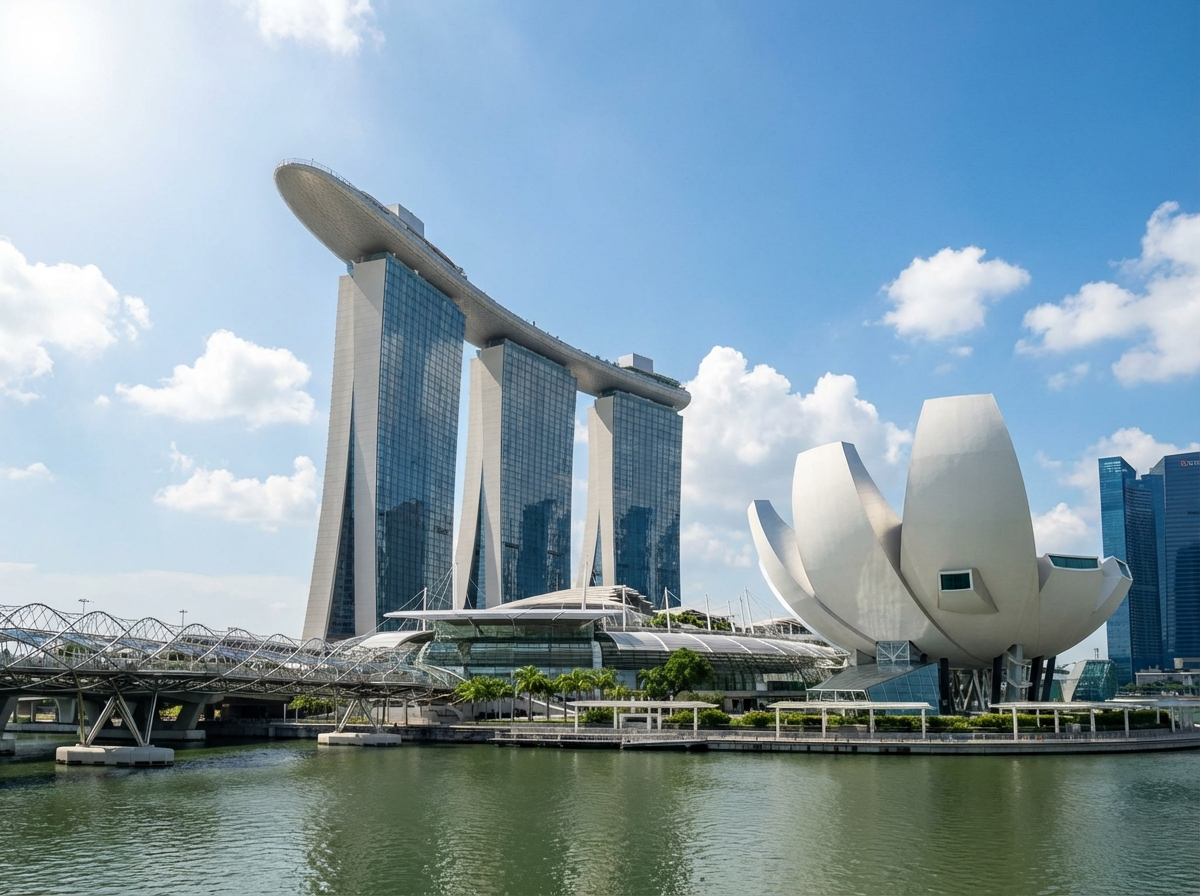
Founded in Malaysia in 2012 and now headquartered in Singapore, Grab began as a ride-hailing platform competing with global rivals like Uber. However, through strategic acquisitions and bold market entries, it transformed into a regional super app offering transport, food delivery, and financial services.
Grab’s expansion was marked by high cash burn and constant fundraising, which attracted attention but also concerns about sustainability. In 2021, Grab listed on Nasdaq through a record-setting $40 billion SPAC deal. While the listing brought global visibility, it also exposed the company to scrutiny from investors who demanded clearer profitability paths.
Today, Grab is Southeast Asia’s largest platform in its sector, operating across eight countries with millions of users. Yet, the pressure to turn scale into sustainable earnings has only grown stronger.
Why the $1B grab share buyback is a clear signal of financial discipline
The decision to launch a $1 billion share buyback reflects a new chapter for Grab. Share buybacks are often seen as a strong indicator that a company believes its stock is undervalued. They also show management’s commitment to returning value to shareholders, which can stabilize investor confidence in times of market uncertainty.
Moreover, this is Grab’s first major buyback since listing on Nasdaq. It highlights how the company is willing to shift its strategy from pure expansion to building investor trust. By committing such a significant sum, Grab is also demonstrating that its cash reserves and financial health are strong enough to support both growth and capital returns.
For investors, the move signals confidence in Grab’s ability to hit its profitability targets, which include narrowing losses and strengthening margins across mobility and delivery.
Grab’s shift from aggressive expansion to investor-focused maturity
Grab’s $1 billion share buyback is more than a financial announcement—it represents a mindset change for Southeast Asian tech firms. For years, regional unicorns were known for fast expansion, subsidies, and market share battles. However, with rising interest rates and cautious investor sentiment, the pressure is now on to show profitability.
Grab’s approach mirrors global peers like Uber and Lyft, which also went from aggressive expansion to focusing on operating discipline. This evolution shows how the Southeast Asian ecosystem is maturing, with homegrown firms moving into a new stage of responsibility.
At the same time, this shift may encourage other super apps and tech players in Asia—such as Gojek, Sea Group, or Kakao—to review their financial strategies. The era of endless growth-at-all-costs is giving way to investor-focused maturity.
How the grab share buyback shapes future growth in mobility and digital finance
Looking forward, Grab’s share buyback could provide momentum for its wider ambitions. While mobility remains its core business, Grab has steadily expanded into digital payments and microfinance through GrabFin. Moreover, its food delivery arm continues to grow, making the company an everyday platform for millions of consumers.
By stabilizing its share price and building investor trust, Grab will be in a stronger position to finance future innovations. Partnerships with banks and fintech firms could deepen its role in digital finance, while investments in electric mobility could reinforce its leadership in sustainable transport.
As a result, this $1 billion move is not just about buying back shares. It is about shaping a stronger foundation for long-term growth in a highly competitive regional market.
The $1B share buyback marks a turning point for Grab’s public company journey
Grab’s announcement of a $1 billion share buyback is more than a headline—it is a statement of intent. After years of rapid expansion and questions around profitability, the company is now showing it can balance growth with financial responsibility.
This turning point not only strengthens Grab’s relationship with its investors but also signals the growing maturity of Southeast Asia’s tech landscape. As Grab continues to expand its services across mobility, food delivery, and finance, its ability to combine scale with discipline will define its future.
For investors and competitors alike, Grab’s billion-dollar move is a clear sign that the region’s super apps are entering a new era—one where stability and trust matter just as much as growth.