



Unitree Robotics files for IPO in Q4
Chinese robotics firm Unitree Robotics is preparing to file for an initial public offering (IPO) between October and December 2025. The move underscores the company’s ambition to transition from a niche robotics developer into a globally competitive automation leader. The Unitree Robotics IPO is also a bellwether for China’s growing robotics sector, where demand for automation is surging in manufacturing, logistics, and defense.
The filing marks a pivotal moment not only for Unitree but also for Asia’s broader robotics industry. Investor appetite for high-growth automation companies continues to expand, reflecting both the need for cost efficiency and the race for technological leadership.
From agile robots to market leadership
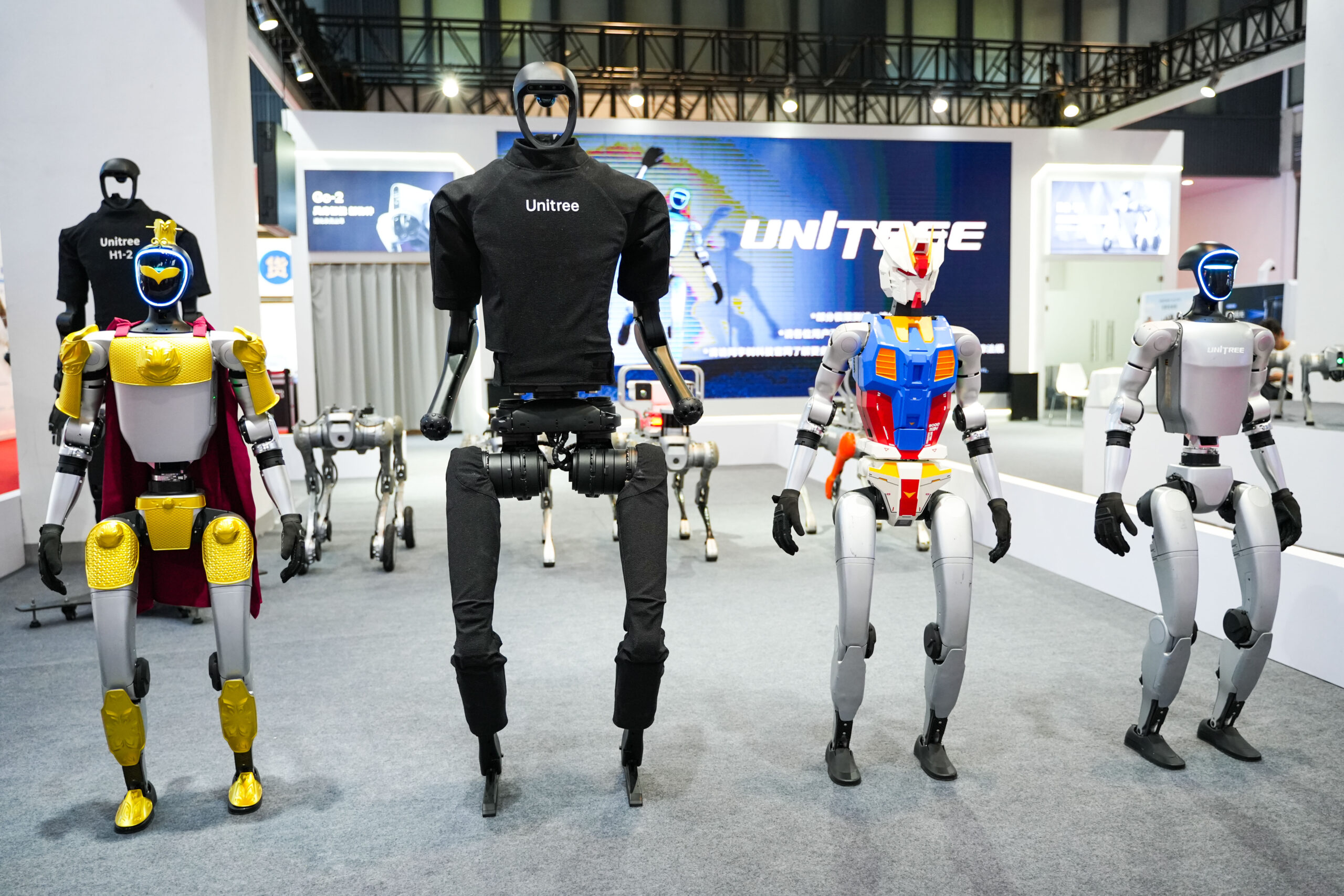
Founded in 2016 in Hangzhou, Unitree Robotics gained early attention for its quadruped robots—machines resembling dogs that combined agility with affordability. Unlike U.S.-based Boston Dynamics, which focuses on high-cost industrial applications, Unitree carved out a unique space by making robotics accessible for research institutions, smaller businesses, and consumer markets.
The company’s product line includes robots like Unitree Go1, a consumer-friendly robotic dog priced around $2,700, and H1, a humanoid robot tailored for advanced research. These launches have strengthened its reputation for balancing cutting-edge robotics with commercial scalability.
Unitree’s expansion into logistics and industrial robotics further highlights its evolution. By securing contracts in warehouse automation and surveillance robotics, the company has moved beyond experimental consumer products into large-scale commercial solutions.
Strategic drivers: Why an IPO now
Several factors explain why Unitree Robotics is choosing late 2025 for its IPO. First, automation demand in China is accelerating. According to the International Federation of Robotics, China accounted for nearly half of all industrial robot installations in 2024. This structural demand positions Unitree to benefit from policy tailwinds, particularly the Chinese government’s Made in China 2025 initiative.
Second, public listing provides the capital needed for research and global expansion. Robotics remains capital-intensive, requiring billions in R&D to compete with international players. By raising funds through an IPO, Unitree can invest in AI-driven robotics, human-robot collaboration, and export markets.
Finally, market timing matters. Investor interest in automation and AI remains robust despite global market uncertainties. Recent high-profile listings in Asia, particularly in advanced manufacturing and AI, have demonstrated strong institutional support for next-generation tech firms.
Robotics as a new pillar of Asian innovation
Unitree’s IPO is more than a single corporate milestone—it reflects Asia’s growing role as a hub for automation innovation. Japan has long been recognized for robotics leadership, but China’s aggressive investment in AI and industrial automation has shifted the balance of power.
For global investors, Unitree’s story demonstrates how Chinese firms are no longer imitators but direct competitors in robotics. Its pricing strategy, rapid product iteration, and adaptability in logistics give it an edge against both Western and Asian rivals.
However, challenges remain. Intellectual property concerns, export restrictions, and geopolitical scrutiny could affect the IPO’s valuation. U.S.-China tensions in technology, especially regarding advanced robotics, may create barriers to overseas adoption. Investors must balance the company’s growth potential with these external risks.
What the IPO means for robotics and automation
If successful, the Unitree Robotics IPO will send strong signals across Asia’s robotics ecosystem. It could encourage other mid-sized robotics firms in China, South Korea, and Japan to consider public listings, creating a new wave of automation-focused equities in Asia’s capital markets.
For Unitree itself, IPO proceeds could accelerate its roadmap for humanoid robotics and AI integration. Analysts expect the company to focus on scaling beyond consumer robotics into enterprise-level robotics solutions, including healthcare assistance, defense robotics, and fully automated logistics systems.
Over the next five years, the robotics sector in Asia is expected to grow at double-digit rates, fueled by demographic shifts, labor shortages, and government support for smart manufacturing. Unitree’s decision to go public places it squarely at the intersection of this transformation.
Unitree Robotics IPO as a test case for Asia’s automation future
The Unitree Robotics IPO highlights the convergence of market demand, technological innovation, and investor enthusiasm in Asia’s robotics sector. While risks such as geopolitical pressures and market volatility persist, Unitree’s planned listing is a signal of confidence in the scalability of automation technology.
For Asia, it is another marker of how the region is shaping the future of robotics. For Unitree, it is the opportunity to transform from a fast-growing startup into a publicly backed global player.