



New sprint format comes to Asia’s night race
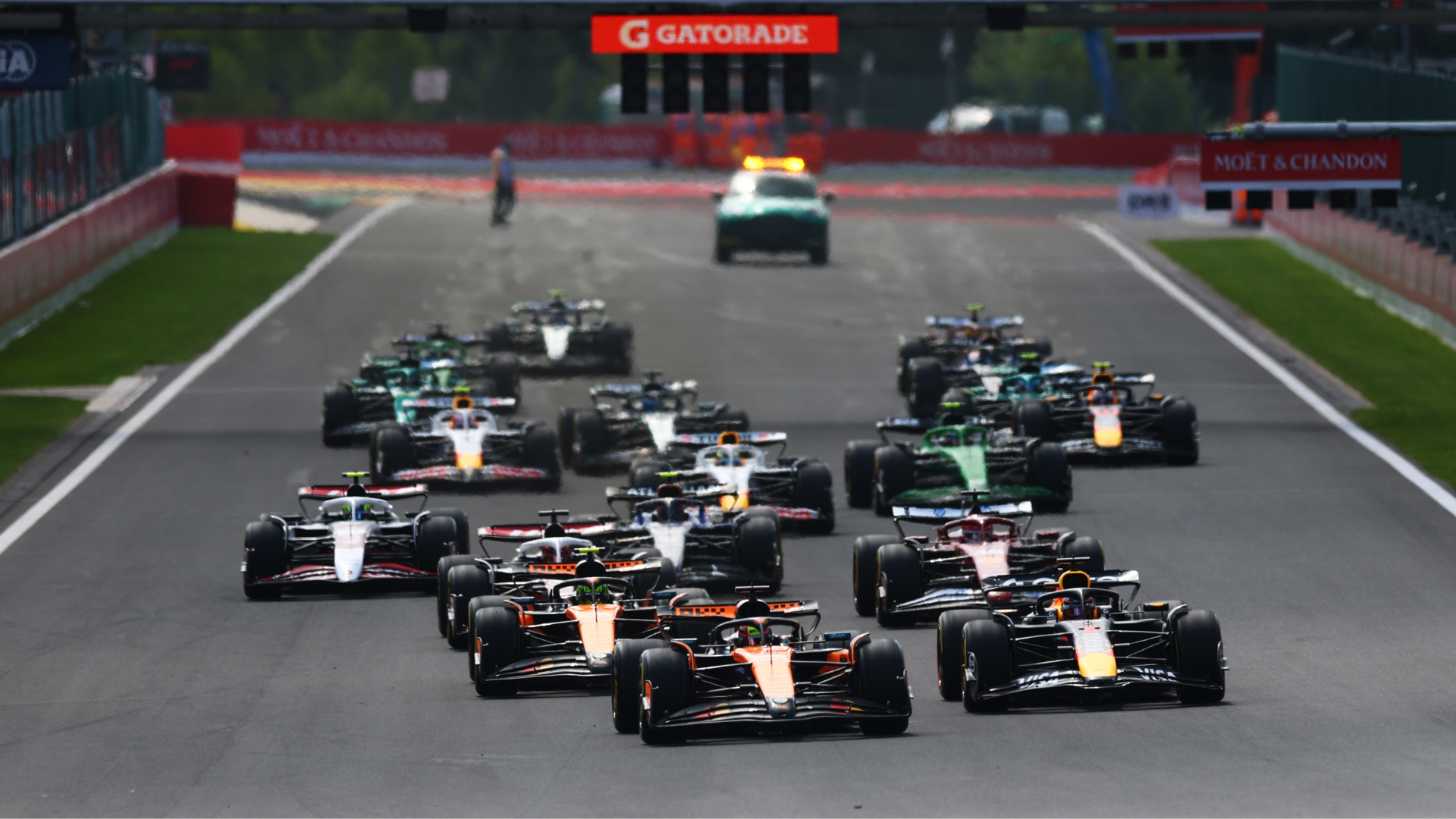
For the first time in its history, the Singapore Grand Prix will feature a Formula 1 sprint race, bringing a new level of excitement to one of the sport’s most iconic events. The sprint format—already adopted in cities like Shanghai and Miami—adds a 100km Saturday race with championship points ahead of the full Grand Prix on Sunday. By adopting the sprint model, Singapore not only boosts fan engagement but also reinforces its position as a global hub for sports tourism and major entertainment spectacles.
Singapore’s rise as a motorsport destination
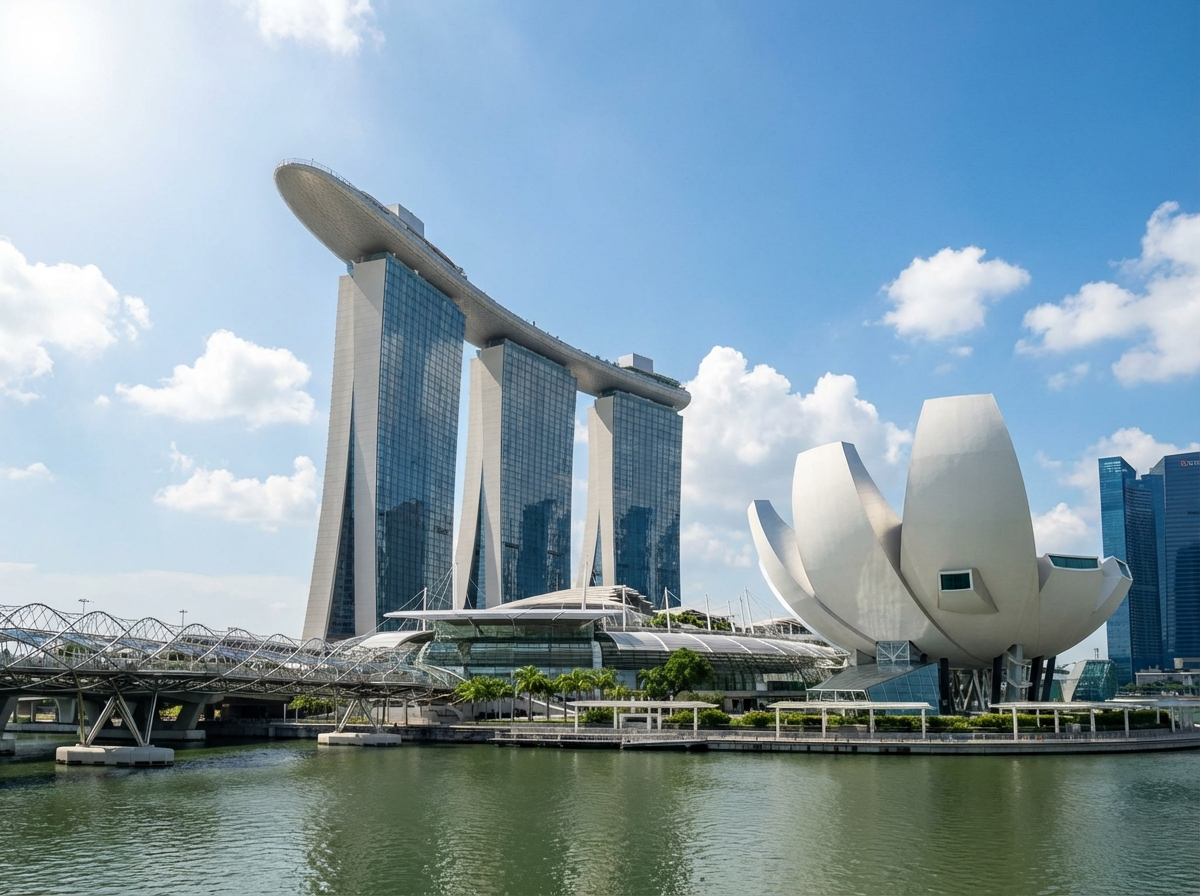
Since its debut in 2008, the Singapore Grand Prix has become one of the most recognizable races on the F1 calendar. Held at the Marina Bay Street Circuit, it remains the sport’s first night race and has been credited with redefining how Formula 1 can blend urban landscapes with high-octane competition. The event has also been a cornerstone of Singapore’s sports tourism strategy, attracting over 250,000 fans annually before the pandemic.
Beyond racing, the Singapore GP has established itself as a festival of sport and culture, combining live music, world-class dining, and global media attention. It has played a pivotal role in showcasing Singapore’s ability to host large-scale international events, complementing other successes like the Youth Olympic Games and the WTA Finals.
The introduction of the sprint format reflects both the city’s confidence in innovation and Formula 1’s strategy to keep the sport fresh and dynamic for global audiences.
What the sprint weekend brings
The sprint format alters the traditional F1 schedule, creating an additional competitive race that changes the rhythm of the weekend:
Friday practice and qualifying – Friday will now host one practice session followed by qualifying for the sprint race.
Saturday sprint – A 100km race with no pit stops, awarding championship points to the top eight finishers. This shorter format offers intense racing and higher risks, as drivers push aggressively without tire management strategies dominating the race.
Sunday Grand Prix – The traditional full-distance race remains, but the sprint adds new storylines, rivalries, and grid strategies leading into the main event.
For fans, this means more racing action across three days, transforming the Singapore GP into an even bigger spectacle. For Formula 1, it enhances global broadcast appeal, offering a faster, more digestible format that appeals to younger viewers.
From an economic perspective, the sprint is expected to drive greater ticket sales, extended hotel stays, and higher local spending, particularly from overseas visitors drawn by the added layer of competition.
Evolution of F1 and Asia’s role
The adoption of the sprint weekend in Singapore highlights Formula 1’s ongoing efforts to reinvent itself for a new era of fans. Traditionalists have often resisted changes, preferring the purity of the Grand Prix format. However, F1 executives see the sprint model as essential for keeping audiences engaged in an age of shorter attention spans and global streaming competition.
For Asia, the move is particularly significant. The region has become a critical growth frontier for F1, with high-profile races in Shanghai, Suzuka, and now Singapore carrying sprint formats. By bringing the innovation to Marina Bay, F1 signals that Asia is not just a market but also a stage for experimentation and expansion.
Singapore’s role is especially symbolic. The city-state has long positioned itself as a global meeting point, combining cutting-edge infrastructure with cultural vibrancy. Hosting a sprint race fits into this identity, reinforcing Singapore as both a financial hub and a lifestyle destination. It also highlights the government’s willingness to embrace innovation in its sporting calendar, keeping the city relevant in the global competition for mega-events.
Sports tourism and fan experience
The sprint weekend could redefine how fans experience the Singapore GP. By offering two races with points at stake, the event deepens narrative arcs, rivalries, and strategy debates. It also creates more value for ticket holders, encouraging longer stays and greater economic impact for the city.
For Singapore, this strengthens its positioning in the global sports tourism market. Formula 1 already contributes significantly to the economy through hotel bookings, dining, and related services. With the sprint format, officials expect incremental gains in visitor spending and global media exposure.
Looking ahead, Singapore could become a blueprint for how F1 integrates sprint formats into high-profile urban circuits. If successful, it may encourage other cities to adopt similar models, ensuring the sport remains competitive with younger, digitally savvy audiences.
At the same time, organizers must ensure logistical and safety standards remain uncompromised. A sprint adds intensity and risk, requiring careful coordination between teams, race officials, and local authorities. Yet with Singapore’s track record of world-class event management, confidence is high that the weekend will set new benchmarks.
Sprinting into a new era of Formula 1
The decision to host a sprint weekend at the Singapore Grand Prix represents a major milestone in Formula 1’s evolution. For fans, it promises more action, more drama, and a fresh experience at one of the sport’s most iconic venues. For Singapore, it reinforces its reputation as a premier global destination for sport, culture, and entertainment.
As the engines roar under the Marina Bay lights, the sprint race will not only test drivers’ skills but also showcase Singapore’s role in shaping the future of Formula 1. In doing so, the city-state once again demonstrates how innovation, ambition, and spectacle can converge on the world stage.