

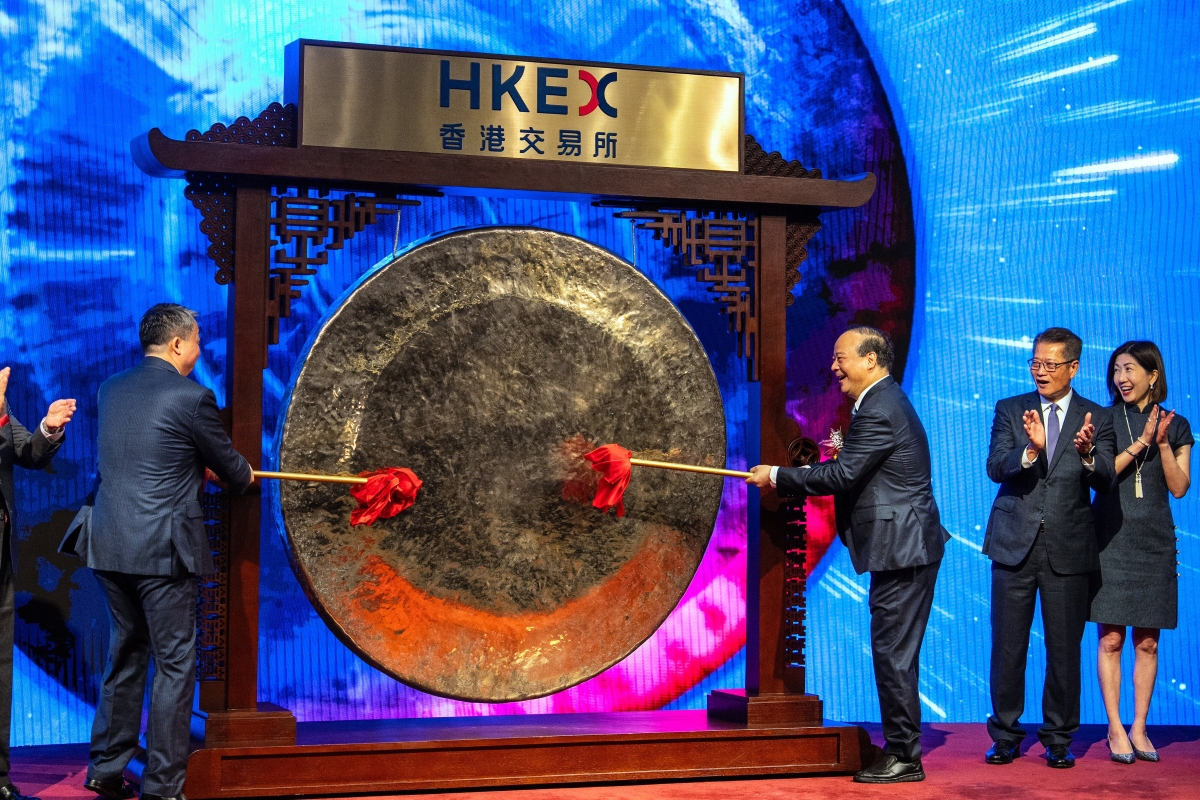
A+H momentum puts Hong Kong back on top
Hong Kong has reclaimed the title of the world’s leading IPO market in 2025, topping global rankings for the first time since 2019. That comeback is not a one-off spike. It reflects a deeper shift in how Chinese and regional companies raise growth capital, especially through A+H listings that pair mainland scale with offshore liquidity. In its 2025 market review, KPMG reported an all-time-high pipeline of more than 300 active IPO applications as of 7 December 2025, including 92 active A+H listing applicants. That queue matters because it signals durable momentum into 2026, not just a strong year-end sprint.
Why Hong Kong’s IPO engine restarted in 2025
Hong Kong’s return to the top has several drivers, and they reinforce each other. First, equity sentiment improved toward China-linked assets during 2025, which helped reopen risk appetite for new listings. Second, the city’s market structure still offers something many issuers want: access to international investors, stronger price discovery than many private rounds, and fundraising in globally usable currency.
Third, and most decisive, the A+H wave accelerated. An A+H listing lets a company that already trades on a mainland exchange add a Hong Kong listing, often to support overseas expansion, broaden its investor base, or improve global visibility. In 2025, these dual-listing candidates increasingly came from tech, advanced manufacturing, consumer brands, and biopharma, which typically benefit from wider analyst coverage and global capital pools. KPMG’s review also highlighted that record A+H activity contributed a large share of funds raised in Hong Kong this year, strengthening the city’s headline rankings.
Meanwhile, the exchange itself has been signalling confidence in the pipeline. Through its monthly reporting, HKEX continues to publish granular statistics on IPO application flows and regulatory processing. That transparency helps sustain investor trust, especially when listings accelerate.
The listing pipeline becomes a strategy tool, not just a backlog
The “over 300” number is not simply a bragging right. It works like a forward indicator for bankers, asset managers, and issuers planning their timing. A large pipeline typically signals two things: first, sponsors believe the market can absorb more paper; second, issuers expect valuations that justify the cost and disclosure burden of going public.
KPMG’s 2025 review underlined that Hong Kong’s momentum rests on both supply and structure. On supply, the mix skews toward Chinese tech and biotech, plus A-share leaders seeking an offshore platform. On structure, Hong Kong remains one of the few places where a company can pursue a global listing while staying close to mainland capital flows and corporate networks. The pipeline also contains a meaningful share of firms preparing for dual-track plans, where they keep fundraising alternatives open while they go through formal vetting. That dynamic keeps the queue active even during short-term volatility. KPMG+1
At the same time, regulators and the exchange have pushed for quality as volume rises. In late 2025, authorities reminded intermediaries to maintain high standards in application materials, signalling that speed will not replace scrutiny. For the market, that stance matters because the value of being #1 depends on credibility, not only on deal count.
What Hong Kong’s #1 ranking really tells Asia
Hong Kong’s lead in 2025 points to a broader truth about Asia’s capital cycle. The region has not stopped producing big companies. Instead, it has been searching for the right listing venue, the right structure, and the right investor narrative. Hong Kong is winning again because it fits that need at a moment when capital wants both growth and governance.
The A+H trend also shows how companies now think about market access. They do not want a single pool of liquidity. They want optionality. A mainland listing can provide domestic depth, while Hong Kong can provide global reach, more diverse investor participation, and stronger pathways for cross-border M&A funding. When this structure scales, it becomes self-reinforcing. More A+H listings attract more sector analysts. That coverage draws more institutional attention. In turn, that demand encourages more issuers to file.
There is also a sector story here. Tech and biotech pipelines tend to be sensitive to sentiment, because valuations rely on future growth. Yet the depth of Hong Kong’s queue suggests issuers see enough stability to proceed. That does not guarantee smooth pricing for every deal. Still, it signals belief in the market’s ability to clear volume, especially when cornerstone demand and regional institutional flows return.
2026 looks strong, but the market will reward discipline
With more than 300 active applications in the queue, Hong Kong enters 2026 with a visible runway. The question is not whether deals will come, but which deals will earn premium pricing. In a market shaped by AI enthusiasm and sector rotation, investors will likely favour companies with clear profit paths, defensible tech, and credible international expansion plans.
Execution will matter. If sponsors push weak filings through, investors will punish pricing and aftermarket performance. If regulators keep quality high, the platform strengthens. That is why the exchange’s gatekeeping role remains central. A world-leading IPO market cannot rely on quantity alone. It must protect reputation through disclosure quality, governance checks, and consistency in review standards.
If the A+H trend continues at scale, Hong Kong may also deepen its role as Asia’s capital bridge for outbound expansion. That would keep the city relevant even if US or European IPO windows open wider, because the A+H use case is structural rather than cyclical. KPMG’s outlook frames this clearly: the pipeline itself positions Hong Kong to sustain momentum into 2026, provided market conditions remain broadly supportive.
Hong Kong’s IPO comeback is a structural reset, not a rebound headline
Hong Kong’s return to the top of global IPO rankings in 2025 reflects more than a single strong year. It marks a reset in how Asian growth companies, especially mainland leaders, structure their capital-market strategy. The record pipeline of over 300 active applications, including 92 A+H candidates, shows that issuers see Hong Kong as a durable fundraising platform again. If quality stays high and sector discipline holds, Hong Kong’s #1 position could extend beyond 2025 and shape the region’s listing playbook well into 2026.