



Bridge Data Centres expansion targets AI-driven infrastructure demand
Bain Capital–backed Bridge Data Centres has announced plans to expand its hyperscale data infrastructure footprint into Japan, Australia, and the Middle East, aiming to nearly double total capacity by 2027. The move reflects accelerating demand for data centres driven by artificial intelligence workloads, cloud computing, and digital transformation across global markets.
The expansion marks a significant step in Bridge’s evolution from a regional player into a broader international infrastructure platform. As AI adoption reshapes computing needs, hyperscale-ready facilities have become strategic assets, and Bridge is positioning itself to capture that next wave of growth.
Why hyperscale data centres are scaling faster than before
Data centre demand has surged over the past two years as AI models grow larger and more compute-intensive. Training and inference workloads require high-density power, advanced cooling, and proximity to major cloud and enterprise customers. Traditional enterprise facilities often struggle to meet these requirements, creating strong demand for purpose-built hyperscale infrastructure.
Asia-Pacific and the Middle East sit at the centre of this trend. Japan and Australia are seeing rapid cloud adoption alongside stricter data residency requirements, while Middle Eastern markets are investing heavily in digital infrastructure as part of economic diversification strategies. These dynamics create long-term demand visibility for data centre operators that can deliver scale and reliability.
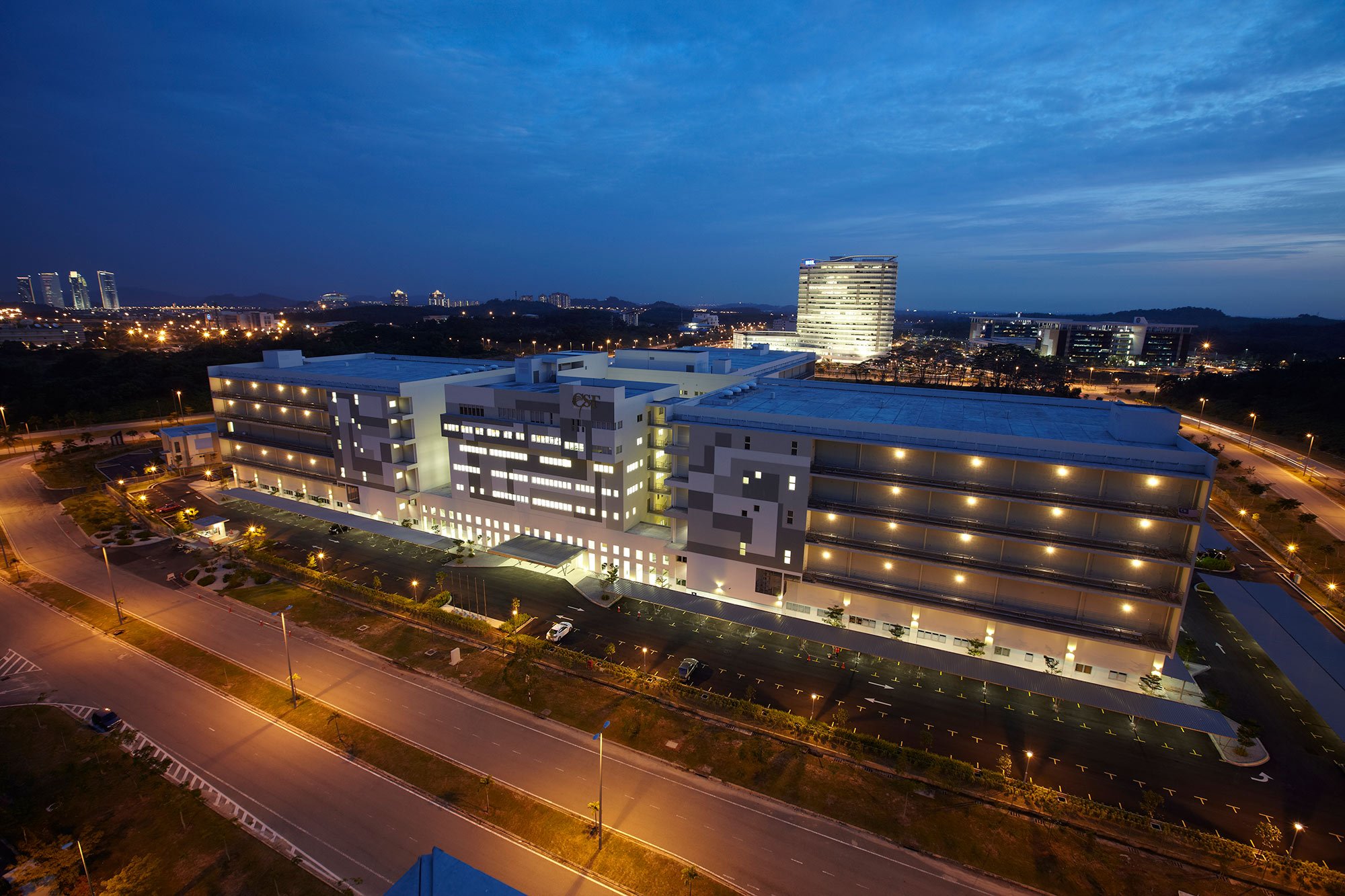
Bridge Data Centres has built its reputation on developing large, modular facilities designed for hyperscale customers. Backed by Bain Capital, the company has focused on markets where digital demand is rising faster than infrastructure supply, allowing it to secure anchor tenants and long-term contracts.
How Bridge is positioning for multi-region growth
The planned expansion into Japan reflects growing hyperscale requirements from cloud providers and AI-driven enterprises operating in one of Asia’s most advanced digital economies. Japan’s stable regulatory environment and strong enterprise demand make it an attractive market for long-term infrastructure investment.
Australia represents another strategic pillar. The country’s data centre market has expanded rapidly due to cloud migration, government digitisation, and regional demand from Asia-Pacific customers. Bridge’s entry allows it to tap into a market where power availability and land constraints have become critical competitive factors.
The Middle East expansion aligns with rising regional investment in AI, smart cities, and sovereign cloud infrastructure. Governments and enterprises across the Gulf are prioritising local data processing capacity, creating opportunities for hyperscale operators with international experience.
Across all regions, Bridge plans to deploy a standardised development model focused on energy efficiency, scalability, and rapid delivery. This approach allows the company to replicate success across geographies while adapting to local regulatory and power conditions.
AI is redefining the economics of data infrastructure
Bridge’s expansion highlights a broader structural shift. Data centres are no longer passive real estate assets. They have become core infrastructure for AI-led economies. As a result, investment decisions increasingly resemble those seen in energy or transport infrastructure rather than traditional property development.
The race to build capacity is also changing competitive dynamics. Speed to market, access to power, and relationships with hyperscale customers matter more than pure square footage. Operators backed by long-term capital, such as private equity, are better positioned to absorb upfront costs and deliver at scale.
However, risks remain. Power availability, grid constraints, and sustainability expectations pose challenges. Operators must balance rapid expansion with environmental and regulatory scrutiny. Bridge’s ability to manage these factors across multiple regions will determine whether its growth translates into durable returns.
What to watch as capacity doubles toward 2027
As Bridge executes its expansion plan, several indicators will matter. Securing anchor tenants in new markets will validate demand assumptions and support financing. Progress on power sourcing and energy efficiency will also be critical, especially as governments tighten sustainability standards.
Competition will intensify. Global data centre operators and local developers are also racing to expand in Japan, Australia, and the Middle East. Differentiation will depend on execution quality, uptime reliability, and the ability to support high-density AI workloads.
Over the longer term, Bridge’s multi-region footprint could position it as a preferred partner for cloud providers seeking consistent infrastructure across markets. If successful, the expansion may also open pathways for further capital raising or strategic transactions.
Bridge Data Centres bets on AI-led infrastructure growth
Bridge Data Centres’ planned expansion into Japan, Australia, and the Middle East underscores how decisively AI is reshaping global infrastructure demand. By targeting high-growth regions and aiming to double capacity by 2027, the company is positioning itself at the centre of the next phase of digital infrastructure development.
Backed by long-term capital and focused on hyperscale requirements, Bridge is making a calculated bet on sustained AI-driven demand. The success of this strategy will depend on disciplined execution, power access, and the ability to scale consistently across diverse markets.