



Yili reinforces Southeast Asia growth through partner engagement
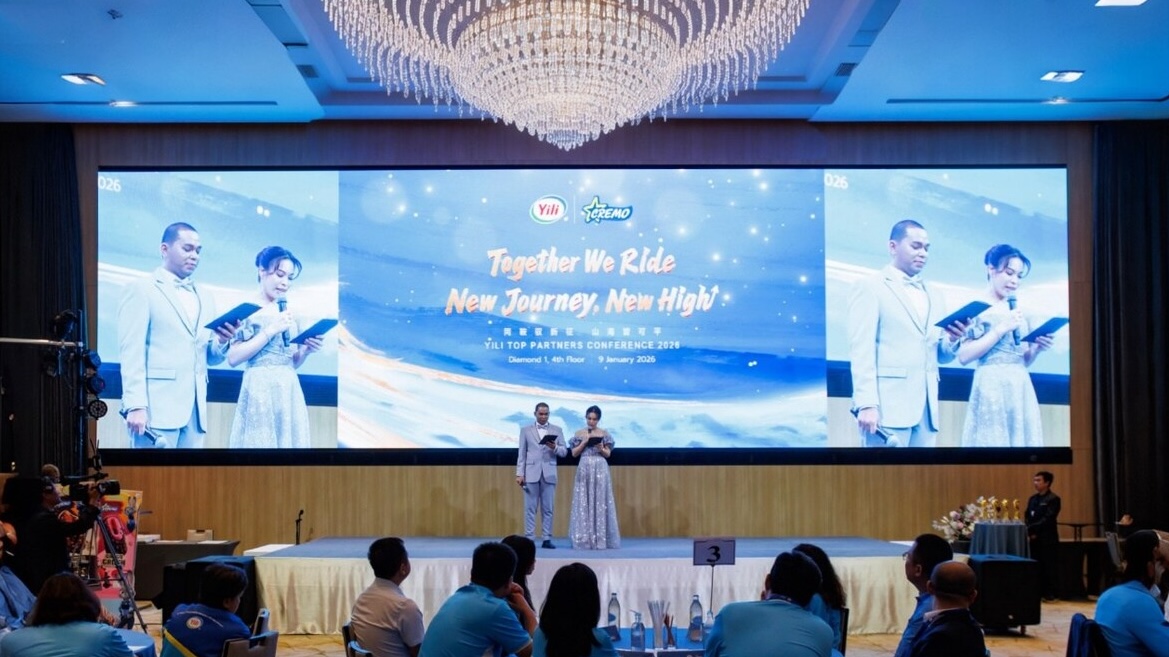
China-based dairy and nutrition giant Yili Group has strengthened its Southeast Asia expansion strategy by hosting 2026 Strategic Partner Conferences in Bangkok, Thailand, and Bandung, Indonesia. The events brought together hundreds of regional distributors, retail partners, and channel operators to celebrate shared growth, introduce new products, and align on future market priorities.
The twin conferences underline Yili’s belief that partner-led execution remains central to scaling consumer brands across diverse Southeast Asian markets. Rather than relying on centralised control, Yili is deepening collaboration with local players who understand consumer preferences, retail dynamics, and regulatory nuances.
Yili’s long-term push into Southeast Asia
Yili Group has spent the past decade building a strong international footprint beyond its home market. Southeast Asia has emerged as a key pillar of that strategy due to its young population, rising middle class, and increasing demand for nutrition-focused products.
Markets such as Thailand and Indonesia play different but complementary roles. Thailand acts as a regional logistics and branding hub, while Indonesia offers scale and long-term volume growth. Together, they anchor Yili’s broader ASEAN ambitions.
Unlike fast-moving consumer brands that pursue rapid entry, Yili has taken a measured expansion approach. It focuses on regulatory compliance, supply-chain reliability, and partner capability before aggressive market penetration. This method has allowed the group to build trust with distributors and retailers across multiple markets.
What the partner conferences focused on
The Bangkok and Bandung conferences served as strategic alignment platforms, not just celebratory gatherings. Yili used the events to outline its Southeast Asia roadmap, share performance updates, and reinforce expectations around quality, compliance, and brand consistency.
A major focus was product innovation. Yili introduced new dairy and nutrition offerings tailored to regional tastes and consumption habits. These include formulations adjusted for local preferences, packaging designed for different retail channels, and product lines targeting family, youth, and health-conscious consumers.
Another key theme was channel collaboration. Yili highlighted the importance of coordinated marketing, data sharing, and supply planning. By working closely with distributors, the group aims to reduce stock inefficiencies, improve on-shelf availability, and respond faster to demand shifts.
Partnerships drive scalability in fragmented markets
Yili’s emphasis on partner conferences reflects a broader truth about Southeast Asia. The region’s retail landscape remains fragmented, with a mix of modern trade, traditional outlets, and rapidly growing e-commerce channels.
In such environments, global brands cannot succeed through top-down strategies alone. Local partners provide execution strength, market insight, and resilience during periods of volatility. Strong relationships often determine whether a brand scales sustainably or stalls after initial entry.
By investing time and resources into partner engagement, Yili is reinforcing its reputation as a long-term collaborator rather than a transactional supplier. This approach builds loyalty and encourages partners to prioritise Yili brands within competitive product categories.
Strengthening distributor capabilities
Beyond products and targets, Yili’s conferences placed strong emphasis on capability building. The group shared best practices around merchandising, cold-chain management, and consumer education.
Training sessions focused on improving last-mile execution, especially in markets where infrastructure varies widely. Yili also stressed the importance of consistent brand storytelling, ensuring that messaging remains aligned across cities and regions.
This focus reflects Yili’s understanding that growth depends not only on demand creation but also on operational excellence. Well-trained distributors and retailers reduce quality risks and improve consumer trust, which is critical in food and nutrition categories.
What deeper partnerships mean for ASEAN expansion
In the near term, stronger partner alignment is expected to support new product rollouts and wider distribution coverage across Thailand, Indonesia, and neighbouring markets. Improved coordination should also help Yili respond faster to competitive pressures and seasonal demand.
Over the medium term, Yili’s partner-centric strategy may enable category leadership in selected dairy and nutrition segments. As consumption patterns shift toward health and wellness, brands with trusted distribution networks will gain an advantage.
Longer term, the conferences signal Yili’s intention to treat Southeast Asia as a core growth region, not a peripheral export market. Continued investment in partnerships suggests that the group is preparing for sustained expansion rather than short-term sales targets.
A partnership-first model for regional scale
Yili Group’s 2026 Strategic Partner Conferences in Bangkok and Bandung highlight how global consumer brands are adapting to Southeast Asia’s complexity. By prioritising collaboration, capability building, and shared growth, Yili is laying the groundwork for durable regional expansion.
As competition intensifies across ASEAN’s food and beverage sector, success will increasingly depend on trust, execution, and alignment at the local level. Yili’s partner-first approach positions it well to navigate these challenges while building long-term brand equity across Southeast Asia.