




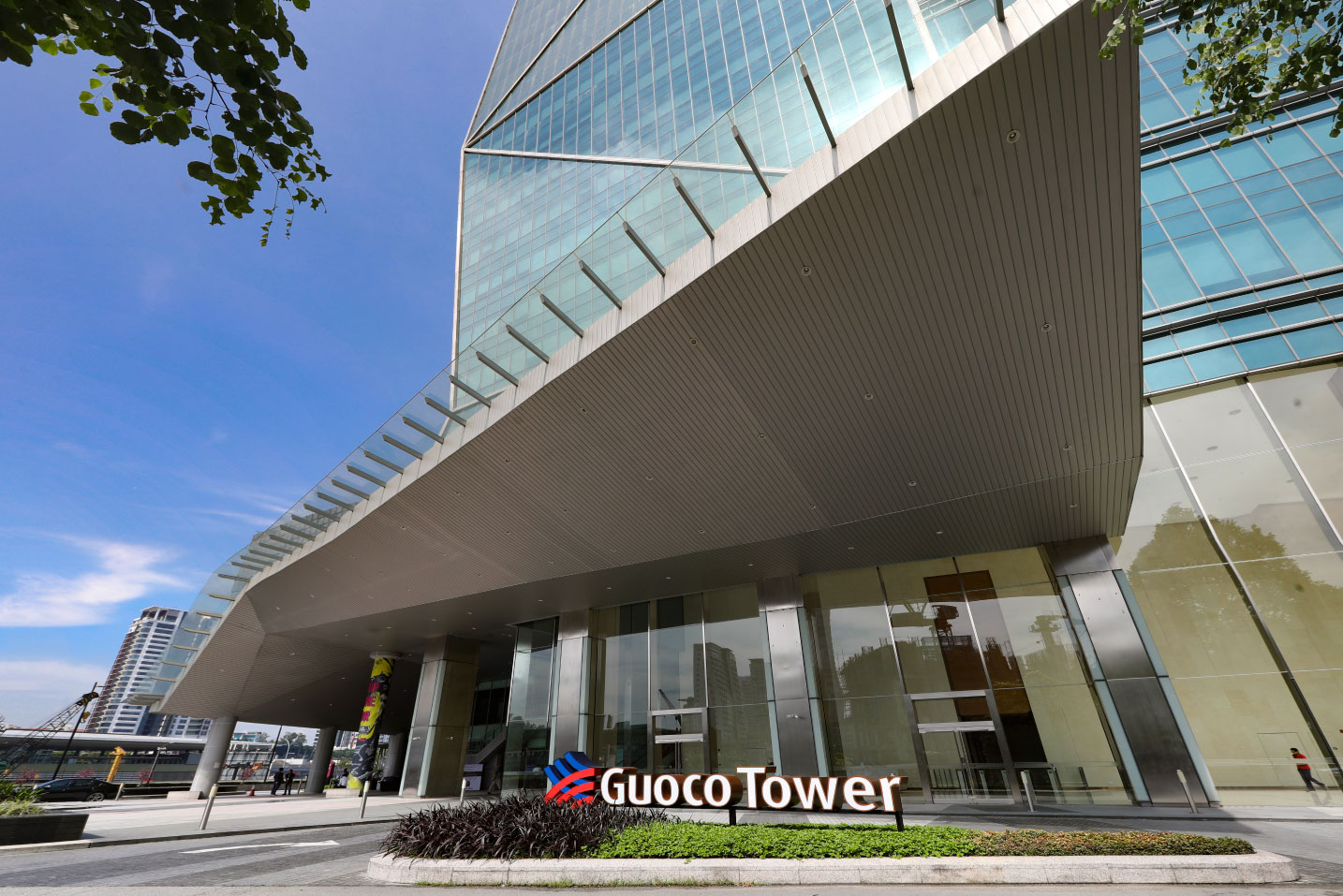
Privatisation plan points to strategic reset
GuocoLand (M) Bhd has received a privatisation proposal via selective capital repayment, marking a potential turning point in the Malaysian property group’s corporate trajectory. Announced on 4 February 2026, the proposal could reshape the company’s shareholder structure and provide management with greater flexibility to reposition the business ahead of evolving property market conditions.
The move comes at a time when listed real estate companies across Asia are reassessing capital efficiency, valuation gaps, and long-term strategy. For GuocoLand, the proposal signals a possible shift away from public market pressures toward a more controlled restructuring phase.
GuocoLand’s position in Malaysia’s property landscape
GuocoLand (M) Bhd operates within Malaysia’s competitive real estate sector, which has experienced cyclical slowdowns, shifting demand patterns, and tighter financing conditions in recent years. Developers have faced rising construction costs, cautious buyers, and slower transaction volumes, particularly in the high-end and commercial segments.
As a listed entity, GuocoLand has balanced development, investment properties, and capital management while responding to shareholder expectations. However, like many property firms in Asia, its market valuation has not always reflected the long-term value of its assets, creating strategic tension between public pricing and private value.
This backdrop helps explain why privatisation structures, including selective capital repayment, have regained attention among property groups seeking greater control over restructuring decisions.
Why selective capital repayment matters
The proposed privatisation structure centres on selective capital repayment, a mechanism that allows a company to return capital to specific shareholders while consolidating ownership. Unlike a traditional takeover, this approach can simplify execution while minimising regulatory and financing complexity.
For GuocoLand, the structure could enable controlling shareholders to streamline ownership without launching a full mandatory offer. At the same time, minority shareholders would receive a defined exit, reducing prolonged uncertainty.
Strategically, the proposal opens the door for management to refocus capital allocation. Freed from quarterly market scrutiny, the company could adjust asset portfolios, revisit development timelines, or optimise balance-sheet structure more decisively.
Privatisation reflects broader Asia property recalibration
GuocoLand’s proposal fits into a broader regional trend. Across Asia, property developers and holding companies are reassessing the benefits of remaining publicly listed amid volatile market sentiment and compressed valuations.
Public markets often penalise long-cycle businesses during downturns, even when asset fundamentals remain intact. Privatisation, therefore, becomes a tool to bridge valuation gaps and enable patient capital strategies.
This does not signal retreat from growth. Instead, it reflects a recalibration of how growth is funded and governed. Companies increasingly seek flexibility to restructure quietly before re-emerging stronger or pursuing selective asset monetisation.
Capital flexibility over short-term valuation
One of the strongest arguments for privatisation is enhanced capital flexibility. Listed property firms must balance dividend expectations, development funding, and debt management under constant market observation.
Under private ownership, GuocoLand could prioritise long-term projects without immediate share price implications. This flexibility is particularly valuable as property markets adjust to higher interest rates and changing buyer behaviour.
It also allows for selective asset rotation. Non-core properties could be divested, while strategic assets are retained or repositioned. Such moves are often easier to execute away from public market glare.
Malaysia’s property cycle and timing
Timing plays a crucial role in privatisation decisions. Malaysia’s property market is navigating a period of adjustment rather than collapse. Demand remains uneven, yet infrastructure investment and urban development continue to provide long-term support.
In this environment, restructuring ahead of a potential recovery can be advantageous. By acting during a softer phase, companies position themselves to benefit when sentiment improves.
GuocoLand’s proposal suggests management and shareholders see value in preparing for the next cycle now, rather than reacting later under market pressure.
Shifting accountability structures
Privatisation also changes governance dynamics. While public companies answer to a broad shareholder base, private ownership concentrates accountability among fewer stakeholders.
This can accelerate decision-making, but it also places greater responsibility on controlling shareholders to manage risk prudently. Stakeholder confidence will depend on transparent communication around restructuring goals and timelines.
For GuocoLand, maintaining credibility with lenders, partners, and regulators remains critical, regardless of listing status.
What comes after privatisation
If completed, the privatisation could mark the beginning of a multi-year restructuring phase. Management may focus on balance-sheet optimisation, selective development launches, and operational efficiency.
In the medium term, the company could explore strategic partnerships, asset spin-offs, or even re-listing under a different structure once market conditions improve. Such paths have precedent across Asia’s property sector.
Alternatively, GuocoLand could remain private long-term, operating as a cash-generative property platform with disciplined capital deployment.
A signal of strategic intent, not retreat
GuocoLand’s privatisation proposal should be viewed as a strategic reset rather than a withdrawal. By considering selective capital repayment, the company signals intent to realign ownership, improve capital efficiency, and navigate property market adjustments on its own terms.
As Asian real estate firms adapt to a more complex environment, such moves highlight how corporate restructuring is becoming a proactive tool. The outcome of GuocoLand’s proposal will be closely watched as an indicator of how property groups balance public markets with long-term strategic control.