
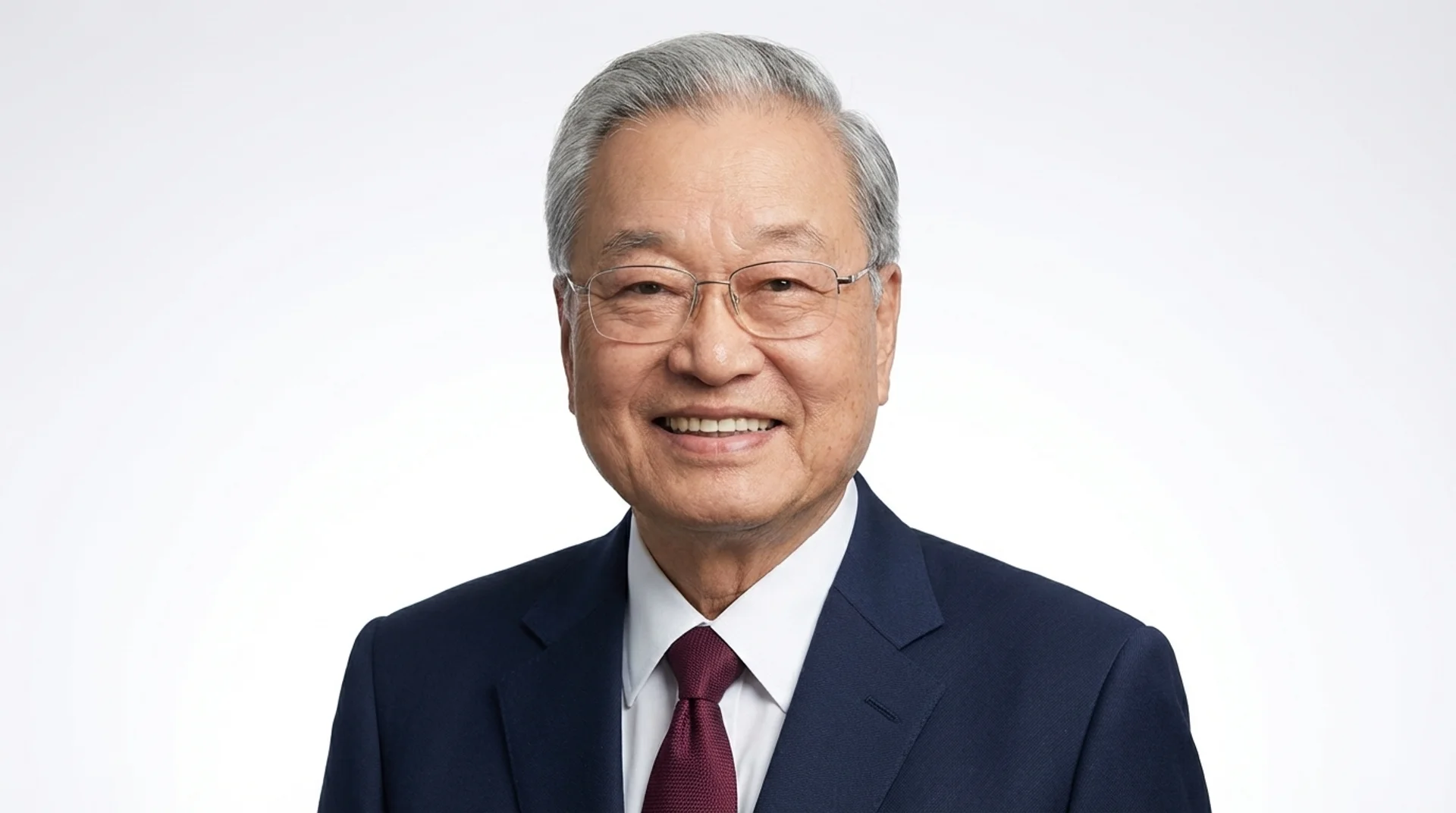

Notable Roles | - Founder and Chairman of Mori Building Company |
Key Recognition | - Order of the Rising Sun Japan |
Background and Early Foundations
Minoru Mori was born in Tokyo, Japan, in 1934, into a family involved in real estate. He graduated from the University of Tokyo with a degree in economics and joined the family business early in his career. Unlike traditional property developers focused on individual buildings, Mori developed a broader vision of urban spaces.
He believed cities should be designed as integrated environments where people could live, work and interact seamlessly. This philosophy shaped his early work in property development and laid the foundation for his long term approach to urban transformation. His early exposure to Tokyo’s rapid post war growth influenced his ambition to reshape urban living standards.
Career Milestones and Impact
Year | Milestone |
|---|---|
1959 | Joined Mori Building Company, beginning career in real estate development. |
1970s | Introduced large scale redevelopment concepts in Tokyo, focusing on integrated urban planning. |
1986 | Developed Ark Hills, one of Tokyo’s first major mixed use complexes combining office, residential and commercial spaces. |
2003 | Completed Roppongi Hills, a landmark project redefining urban lifestyle and business districts in Tokyo. |
2000s | Expanded Mori Building’s portfolio with multiple large scale developments across Tokyo. |
2012 | Passed away, leaving a lasting impact on Japan’s urban development landscape. |
- Company: Mori Building Company
- Flagship Projects: Roppongi Hills, Ark Hills, Toranomon Hills
- Urban Impact: Major redevelopment of central Tokyo districts
- Development Model: Integrated mixed use urban complexes
Leadership Style and Influence
Minoru Mori was known for visionary leadership and long term urban planning. He approached real estate development not as isolated projects but as holistic city building. His philosophy emphasized integration of residential, commercial, cultural and public spaces.
He also prioritized quality of life, incorporating green spaces, cultural institutions and infrastructure into his developments. His influence extended beyond Japan, contributing to global discussions on sustainable urban design and city planning.
Legacy and Future Focus
Minoru Mori’s legacy is defined by transforming how cities are developed. His projects reshaped Tokyo into a more integrated and livable global city. Roppongi Hills in particular became a model for mixed use urban development worldwide.
Today, Mori Building continues his vision through ongoing redevelopment projects and urban innovation. His influence remains central to modern city planning, emphasizing sustainability, connectivity and human centered design.