



Global beats, green mission: Malaysia’s music festival makes a comeback
The Rainforest World Music Festival (RWMF) returns to the Sarawak Cultural Village from June 20 to 22, 2025. This year’s theme, “One Earth, One Love,” reflects a renewed focus on global harmony and environmental action. The award-winning festival will gather musicians, Indigenous performers, and climate advocates for three days of music, workshops, and eco-conscious celebration.
After years of uncertainty, the 2025 edition signals the full revival of Southeast Asia’s cultural event calendar. With expanded sustainability features, zero-plastic goals, and native-led activities, RWMF continues to position Malaysia as a leader in green tourism and the arts.
From jungle roots to international acclaim
Founded in 1998, RWMF began as a small cultural celebration near Mount Santubong. It has since grown into one of Asia’s most recognized music festivals, welcoming over 20,000 attendees annually. The event is a cornerstone of Malaysia’s tourism and cultural diplomacy efforts.
Past lineups featured global acts like Baka Beyond, Yungchen Lhamo, and Tarika. These artists merged African drums, Tibetan chants, and Celtic folk with Bornean traditions. The 2025 lineup includes over 50 acts from 15 countries. Highlights include Sarawak’s At Adau, Brazilian fusion group Duo Finlandia, and Siberian Indigenous band Otyken.
Guests can enjoy workshops in bamboo crafts, traditional dance, herbal medicine, and live jam sessions under the rainforest canopy. Full schedules and ticket information are available at sarawaktourism.com.
Sustainability leads the show
RWMF 2025 will expand its sustainability programming with several new initiatives:
Solar-powered lighting for main stages, done in partnership with Malaysia Green Technology Corporation
A Green Ruai exhibition focused on Indigenous climate knowledge and rainforest conservation
A reforestation project aiming to plant 10 hectares of native trees within five years
Refillable water kiosks and waste zones for compost and recycling
These efforts reflect Malaysia’s National Tourism Policy (2020–2030), which encourages eco-conscious growth through digital tools and local engagement.
Festival organizers are also working with Sarawak Energy and Zero Waste Malaysia to set a new benchmark for sustainable events in Asia.
More than music—this is eco-diplomacy
RWMF blends culture and climate action in a way few events can. Unlike typical mega-festivals, it uses natural ventilation, local materials, and avoids air conditioning. It hires village vendors, promotes traditional food, and spotlights Indigenous wisdom.
This model turns a regional music event into a global climate platform. The festival’s growing reputation as a “green gathering” shows how culture can support diplomacy, sustainability, and tourism—all in one venue.
In a world that often separates art and activism, RWMF proves they can coexist—and even amplify each other.
Malaysia leads a regional shift
Looking ahead, RWMF is shaping its role as Southeast Asia’s top climate-conscious music event. Key plans include:
Artist-in-residence programs for ASEAN environmental storytellers
An eco-innovation stage debuting in 2026 for acoustic experiments and climate tech talks
Partnerships with carbon-neutral hotels and airlines across Borneo
With rising support from foreign NGOs and culture ministries, Malaysia is poised to influence festival formats in Indonesia, Vietnam, and Thailand.
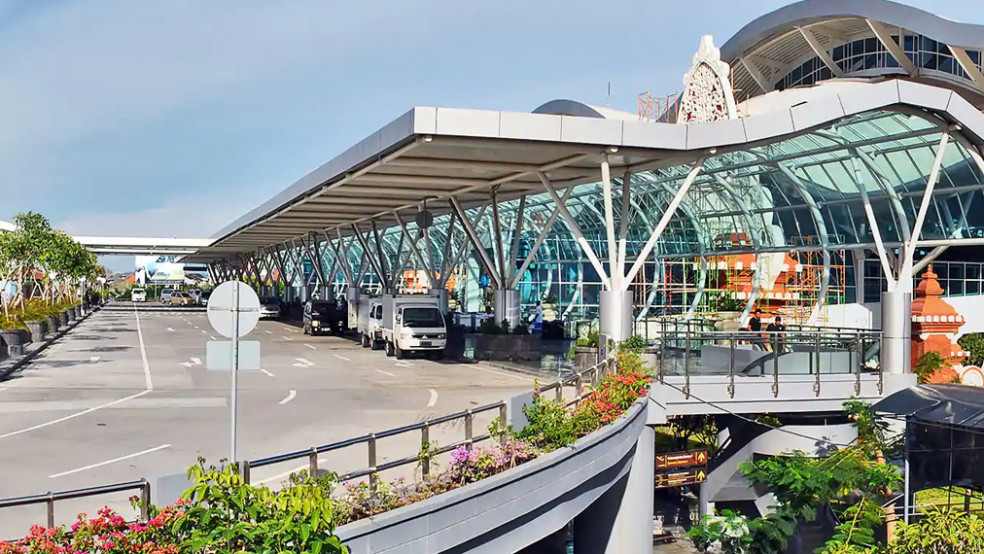
Infrastructure developments at Malaysia’s airports and eco-lodges also reflect this shift. Visit Malaysia Airports’ sustainability portal to explore the broader green transition in tourism.
Where music meets mission
The return of the Rainforest World Music Festival proves that environmental goals and artistic expression can thrive together. In 2025, the festival is not just a concert—it’s a movement. It reminds us that cultural events can offer more than joy; they can also inspire action, honor tradition, and protect our planet.
As the world searches for post-pandemic purpose, Sarawak’s rainforest rhythms offer a model for healing—through harmony, heritage, and hope.