


EU and GCC nationals can now stay visa-free through 2026, supporting travel and trade growth
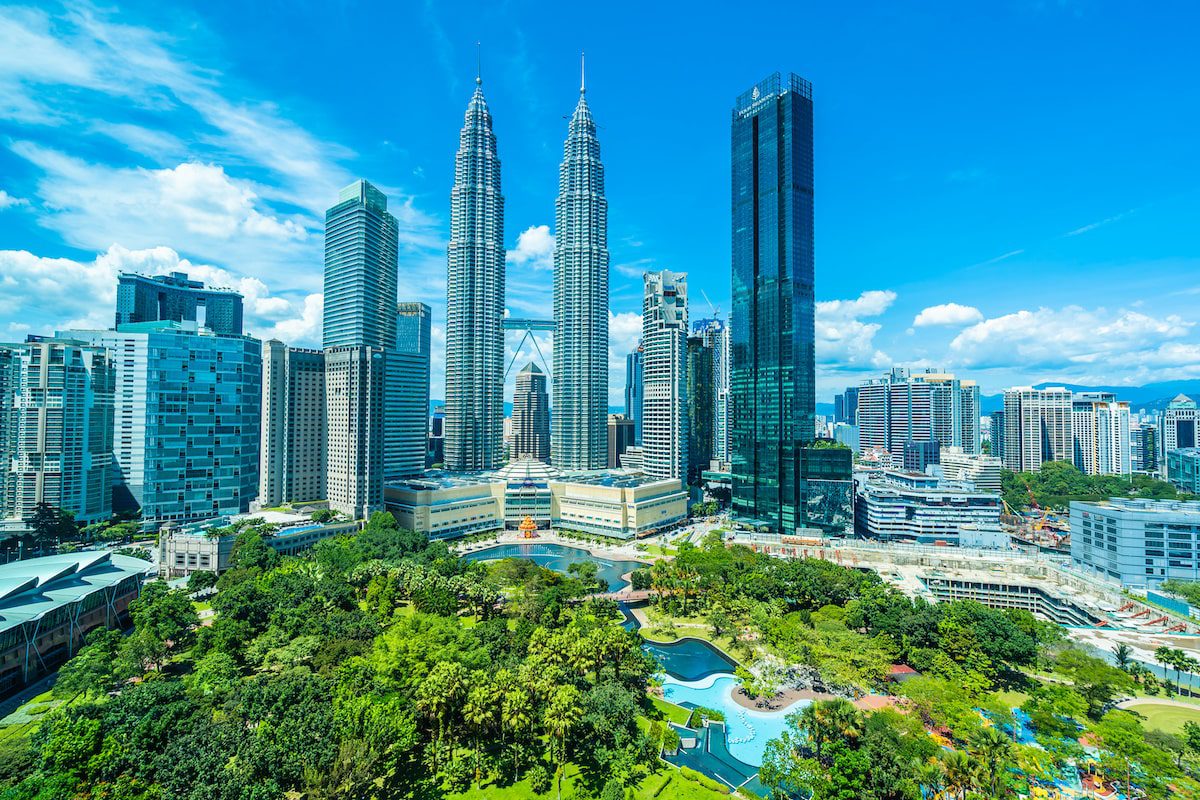
Malaysia has extended its visa-free stays for European Union (EU) and Gulf Cooperation Council (GCC) nationals through the end of 2026, deepening its commitment to regional openness and tourism-driven recovery. Under the revised policy, EU nationals can remain in Malaysia for up to 90 days without a visa, while ASEAN nationals continue to enjoy 30-day exemptions. The focus keyphrase visa-free stays reflects Malaysia’s strategic effort to spur cross-border travel and long-term economic engagement.
Reopening momentum after post-COVID revival
Malaysia, like many Southeast Asian economies, faced a sharp tourism contraction during the COVID-19 pandemic, with international arrivals falling over 80% in 2020. In recent years, however, the country has been aggressively reopening and repositioning itself as a regional travel hub.
Prime Minister Anwar Ibrahim’s administration began piloting expanded visa exemptions in 2023, starting with China and India. The success of those programs—combined with a rebound in European and Middle Eastern visitors—encouraged broader policy expansion. The move aligns with the government’s Tourism Recovery Plan 2024–2026, which targets 26 million visitors by 2026 and contributes over 15% to national GDP.
Diversified tourism and diplomatic alignment
The extended visa-free stays for EU and GCC citizens are more than a tourism gesture—they also signal Malaysia’s shift toward diversified international partnerships. GCC travelers, particularly from the UAE and Saudi Arabia, represent a growing segment of high-spending visitors, while EU tourists account for over 10% of all long-haul arrivals annually.
In addition to tourism, the visa extension supports broader bilateral agendas. EU and GCC countries are among Malaysia’s key trade partners, and easing mobility for business travelers helps unlock potential in aviation, renewable energy, and digital trade. The policy also aligns with Malaysia’s push for more direct flight routes and multi-destination regional tourism packages with Indonesia and Thailand.
Southeast Asia’s soft-power visa strategy
Malaysia’s move reflects a broader trend among ASEAN nations using visa liberalization as soft power. With global travelers becoming more mobile—and increasingly choosing destinations based on entry ease—countries like Thailand, the Philippines, and Vietnam have also introduced or expanded visa waivers in 2024.
However, Malaysia stands out by targeting both Western and Gulf regions, balancing inbound tourist volume with economic diplomacy. The policy not only improves visitor numbers but strengthens Malaysia’s position as a gateway for international business and conferences in Southeast Asia.
It also signals growing confidence in Malaysia’s border systems, security protocols, and digital infrastructure—including the Immigration Department’s eGate biometric fast lanes and online visa monitoring tools.
A long-term play for regional influence
With the visa-free stays extension valid through 2026, Malaysia is signaling predictability and openness to the global community. Tourism operators can plan long-term packages, while airlines can scale routes with assurance.
Looking ahead, the country may explore reciprocal arrangements with the EU or expand visa exemptions to other high-potential regions, including Central Asia and Africa. For now, the policy reinforces Malaysia’s ambition: to be not just a destination, but a connector between regions.
Malaysia positions itself as a global access point
The extension of visa-free stays for EU and GCC nationals is more than a short-term tourism boost—it’s a structural signal of Malaysia’s evolving international role. As travel rebounds and cross-border commerce grows, Malaysia is positioning itself as a strategic access point between Asia, Europe, and the Middle East.
By combining liberal visa access with a long-range tourism recovery strategy, Malaysia is ensuring its relevance in a hyperconnected global economy—and offering a playbook for how Southeast Asia can lead with openness, confidence, and clarity.