

Sumitomo LNG trading plans signal deeper energy push from Singapore
Japan’s Sumitomo Corporation is exploring the launch of a liquefied natural gas (LNG) trading desk in Singapore, a move that would expand its energy trading reach across Asia, Europe, and the United States. The initiative reflects a strategic effort to strengthen Sumitomo’s global energy network at a time when LNG markets are becoming more volatile, interconnected, and geopolitically sensitive.
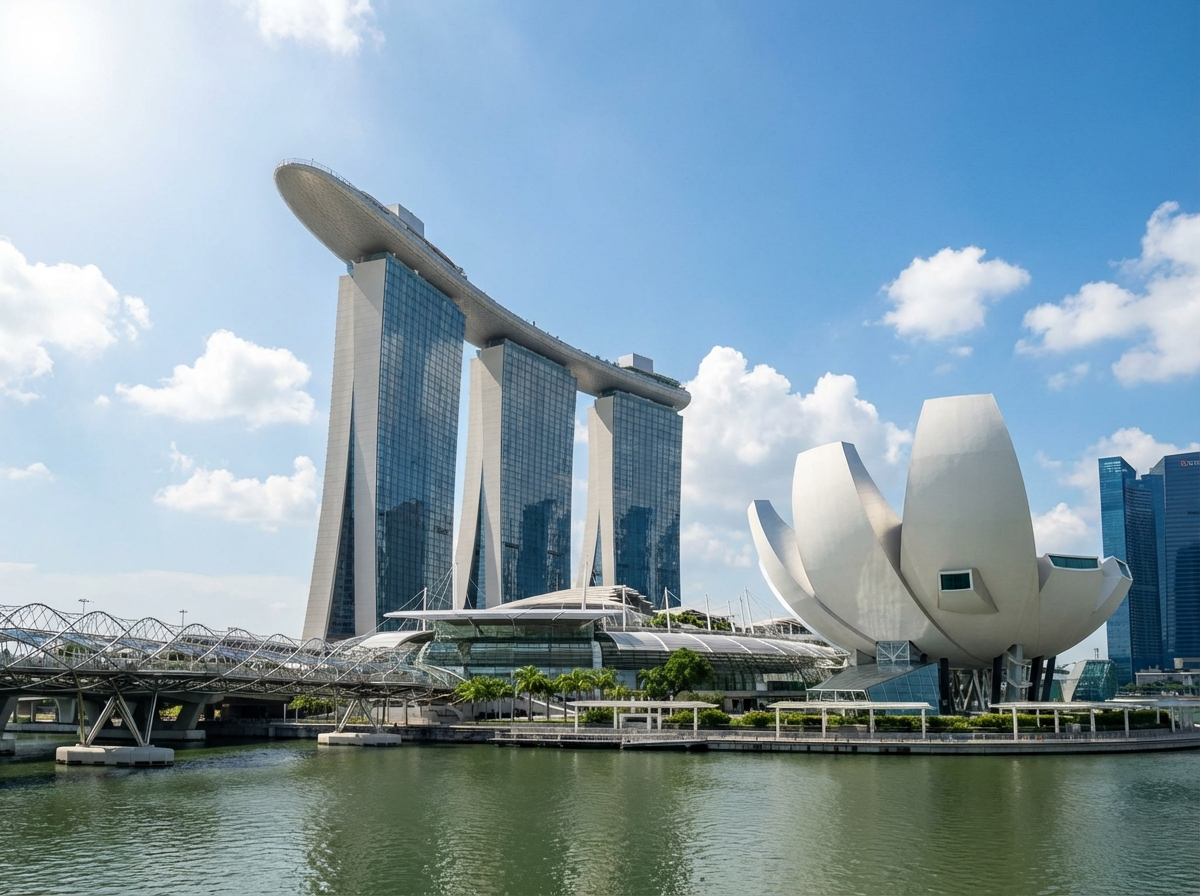
Singapore’s position as a regional energy and commodities hub makes it a natural base for such an expansion. By anchoring LNG trading operations in the city-state, Sumitomo aims to improve market access, enhance price discovery, and respond faster to shifting global demand patterns.
Why LNG trading has become strategically critical
LNG has taken on renewed importance in global energy markets. While long-term decarbonisation goals remain intact, natural gas continues to play a critical transition role for economies seeking energy security and flexible power generation. This has elevated LNG trading from a niche activity into a core strategic function for global energy firms.
Asian demand remains a key driver. Countries across East and Southeast Asia rely heavily on LNG imports to meet power and industrial needs. At the same time, supply has become more global, with cargoes increasingly moving between regions depending on seasonal demand and price signals. This has increased the value of sophisticated trading desks capable of managing risk, arbitrage, and logistics in real time.
For Japanese trading houses such as Sumitomo, LNG trading complements upstream investments and long-term offtake agreements. A trading desk allows firms to optimise portfolios, balance supply commitments, and capture value from short-term market movements.
Why Singapore fits Sumitomo’s global energy ambitions
Singapore has emerged as one of Asia’s most important LNG trading and pricing centres. The city hosts a dense ecosystem of energy traders, shipping firms, financial institutions, and legal services. It also benefits from stable regulation, strong contract enforcement, and proximity to major Asian markets.
Sumitomo’s consideration of a Singapore-based LNG desk aligns with these strengths. Operating from Singapore would allow the company to coordinate trading activity across time zones, linking Asian demand with Atlantic Basin supply and U.S. exports. This global vantage point is increasingly essential as LNG markets become more fluid.
The move also fits Sumitomo’s broader energy strategy. The company maintains interests across energy production, transportation, and downstream distribution. Adding a dedicated LNG trading desk enhances integration across these activities, allowing Sumitomo to manage exposure more dynamically while supporting customers with tailored supply solutions.
Trading capability is now as important as physical assets
Sumitomo’s potential move highlights a broader shift in the energy sector. Ownership of physical assets alone is no longer sufficient. Trading capability, risk management, and market intelligence now define competitiveness in LNG.
As price volatility increases due to weather events, geopolitical tension, and infrastructure constraints, firms with agile trading desks gain an edge. They can reroute cargoes, hedge exposure, and respond to sudden disruptions. Singapore’s role in enabling such agility has grown, particularly as Asian buyers seek flexible supply rather than rigid long-term contracts.
For Japanese trading houses, this evolution is especially important. Japan remains one of the world’s largest LNG importers, yet its firms increasingly operate as global intermediaries rather than purely domestic buyers. Establishing or expanding trading desks abroad reflects this outward-facing strategy.
What a Singapore LNG desk could unlock
If Sumitomo proceeds, the Singapore LNG desk could become a platform for further expansion. Beyond spot trading, the desk could support portfolio optimisation, structured products, and collaboration with utilities, power producers, and industrial customers across regions.
The desk may also play a role in managing the energy transition. LNG is often positioned as a bridge fuel, and trading desks increasingly handle lower-carbon LNG cargoes, emissions tracking, and certification requirements. Singapore’s regulatory environment and regional influence support experimentation in these areas.
Competition, however, will be intense. Global energy majors and trading houses already operate sophisticated LNG desks in Singapore. Sumitomo’s success will depend on talent acquisition, integration with upstream assets, and disciplined risk management.
Sumitomo’s LNG trading plans reflect a global energy recalibration
Sumitomo Corporation’s consideration of a new LNG trading desk in Singapore underscores how global energy strategies are evolving. As LNG markets grow more interconnected and volatile, trading capability has become central to value creation.
By leveraging Singapore’s strengths as an energy trading hub, Sumitomo aims to enhance flexibility, manage risk, and strengthen its global energy network. If executed well, the move could position the company more competitively in a market where agility and insight increasingly matter as much as supply itself.