



Malaysia emerges as Xpeng’s next ‘Xpeng Malaysia EV’ base
Chinese electric-vehicle maker Xpeng is in negotiations with Malaysia’s EP Manufacturing Bhd (EPMB) to start mass production of EVs in Malaysia by 2026. The talks centre on using EPMB’s existing and planned facilities as a local base for right-hand-drive production, aimed at Malaysia and the wider ASEAN market. If the partnership goes ahead, it would make Xpeng Malaysia EV manufacturing a key part of the company’s global strategy and further strengthen Malaysia’s role as an electric-mobility hub in Southeast Asia.
Why Xpeng is looking south to Malaysia
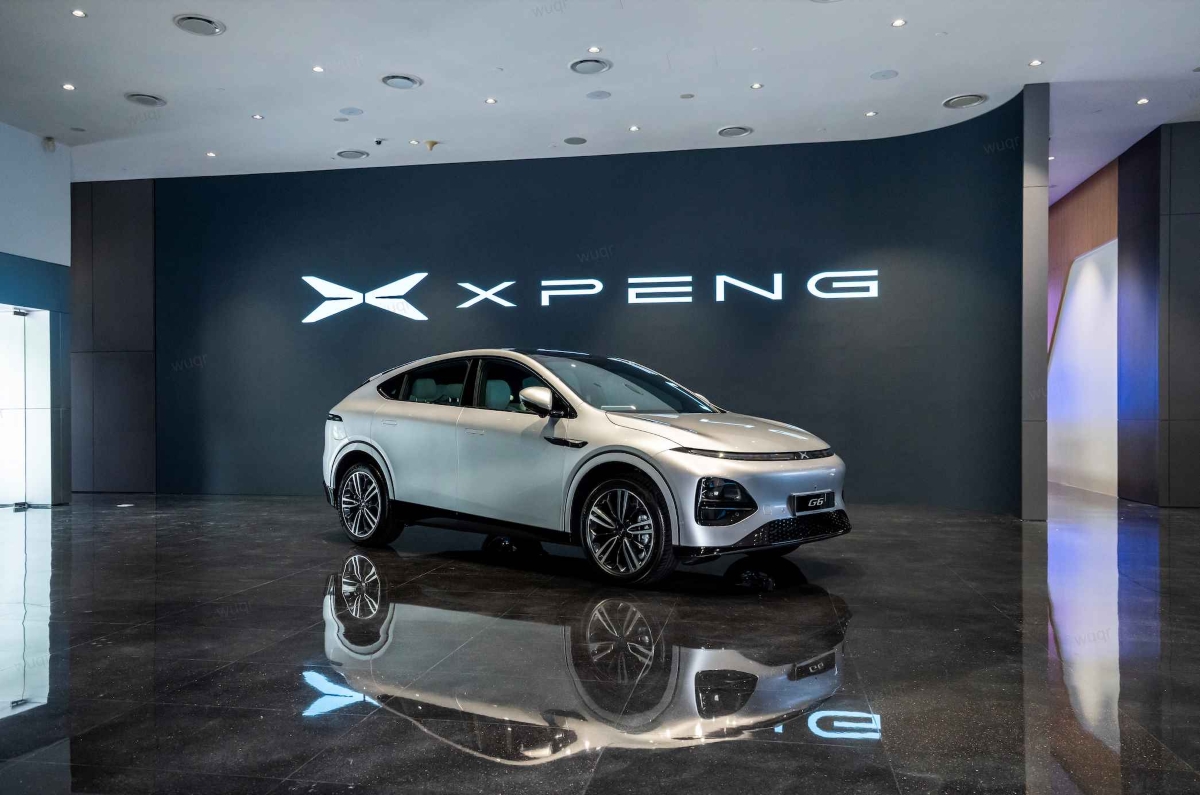
Xpeng has spent the past two years shifting from a China-first player into a global EV brand. It has launched right-hand-drive versions of its models in Thailand and started local production of the X9 and G6 in Indonesia, using that market as its first overseas manufacturing base.
The company’s international push is a response to two pressures at home. First, China’s EV market is locked in a fierce price war that squeezes margins. Second, new tariffs and trade barriers in Europe and other regions are forcing Chinese carmakers to consider local production to stay competitive. By placing factories closer to buyers, Xpeng can reduce logistics costs, cut tariff risk, and tailor products to local rules.
Malaysia, meanwhile, has been quietly building its own EV footprint. The country has attracted investments from several Chinese brands that are setting up assembly plants to serve the region. EPMB, a long-time automotive supplier, has expanded from making plastic and aluminium parts into contract assembly for global partners, including sport-utility vehicles and electric two-wheelers.
That context makes a potential Xpeng–EPMB tie-up logical. Xpeng brings software, brand, and model pipeline. EPMB brings local industrial know-how, land, and a pathway through Malaysia’s approval process.
How an Xpeng–EPMB deal could work
Under the current talks, Xpeng aims to use EPMB’s facilities as a contract manufacturing base for right-hand-drive EVs starting around 2026. The site would likely assemble vehicles from imported kits at first, then deepen localisation over time as volumes grow. The parties have not disclosed which models they are considering or targeted output levels, but market watchers expect popular crossovers and MPVs to lead the line-up.
For Xpeng, a Xpeng Malaysia EV base would slot into a broader regional map. Thailand is emerging as its first right-hand-drive sales beachhead. Indonesia is becoming its first overseas production hub. Malaysia could become the right-hand-drive manufacturing and technology node that links both, while supporting exports to other ASEAN markets such as Singapore and Brunei.
EPMB would gain a new anchor client that sits at the high-tech end of the mobility spectrum. Its portfolio has already expanded through deals with global brands for internal-combustion and electric vehicles. A partnership with EP Manufacturing Bhd and Xpeng would deepen that shift from parts supplier to full EV ecosystem player, raising its profile with both regulators and investors.
Malaysia, for its part, would secure another vote of confidence in its EV roadmap. A local Xpeng line could support jobs in component manufacturing, software, logistics, and charging infrastructure. It would also give Malaysian buyers earlier and potentially cheaper access to models that are already gaining attention in other right-hand-drive markets.
What this means for ASEAN’s EV hierarchy
The talks between Xpeng and EPMB highlight how quickly Southeast Asia’s EV hierarchy is changing. For years, Thailand and Indonesia dominated headlines as the region’s car factories. Malaysia was seen mainly as a parts and niche-assembly base. Now, the picture is more balanced.
If Xpeng Malaysia EV production becomes real, Malaysia will host not only contract assembly for established brands but also a key node for a fast-growing Chinese smart-EV player. That matters because Xpeng is known for advanced driver-assistance systems, high computing power, and deep software integration. Those features demand a different supplier base one that includes local firms in chips, sensors, connectivity, and data services.
The move also shows how carmakers now think in “hub and spoke” terms. Instead of one mega plant serving an entire region, companies like Xpeng create a web of production and software centres. Indonesia handles some models and volumes. Malaysia handles right-hand-drive lines and possibly AI or digital work. Thailand acts as a consumer and marketing hub. Together, they create a patchwork that spreads risk, captures incentives, and brings factories closer to demand.
For local rivals and global incumbents, this raises the bar. They must compete not only on price and charging networks, but also on how quickly they can localise software, user interfaces, and service networks. A nimble player like Xpeng can move faster because it does not carry legacy factory footprints in the region.
Key questions before 2026 production
Several open questions will shape how the story unfolds. First, the talks are still at the negotiation stage. Both sides need to agree on investment structure, model mix, and timelines. Site upgrades, workforce training, and regulatory approvals will take time, even if the deal is signed soon.
Second, policy will matter. Malaysia’s EV incentives, tax rules, and power-pricing decisions will influence how fast local production can scale. If the government aligns its policies with long-term manufacturing goals, Malaysia could lock in a durable role as a right-hand-drive EV hub.
Third, Xpeng’s global execution will be under scrutiny. The company is growing quickly; it delivered almost 392,000 vehicles in the first eleven months of 2025, with overseas deliveries nearly doubling year-on-year. That pace creates both momentum and pressure. Management must balance investments across China, Europe, ASEAN, and other regions without stretching the balance sheet.
Finally, the supplier ecosystem will need to keep up. Local firms in batteries, electronics, software, and after-sales services will have to raise quality and scale. If they succeed, the benefits will spill beyond Xpeng to the wider Malaysian auto industry.
A potential turning point for Xpeng and Malaysia’s EV play
The proposed partnership between Xpeng and EPMB is still under negotiation, but it already signals a shift. For Xpeng, a Xpeng Malaysia EV plant would be another step in turning overseas markets into true production bases, not just sales targets. For Malaysia, it would confirm the country’s move from parts supplier to central EV manufacturing hub for right-hand-drive ASEAN.
Much still depends on policy clarity, economics, and execution on the ground. Yet the direction is clear. As Chinese EV makers look for stable overseas homes and ASEAN countries race to host them, Malaysia’s talks with Xpeng show that the next big chapter of Asia’s electric-car story may be written not only in Bangkok or Jakarta, but also in Melaka and other Malaysian industrial zones.