
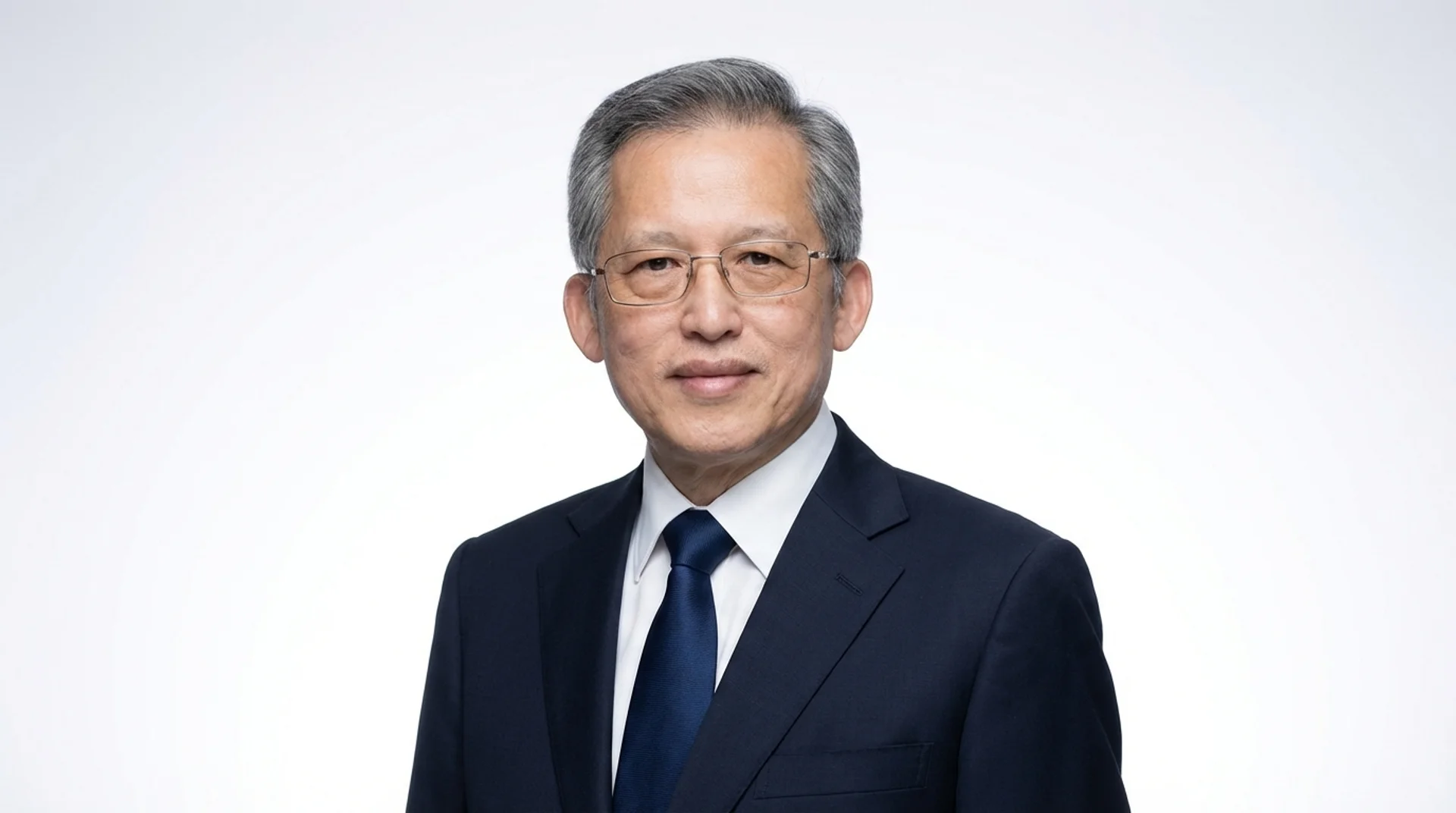





Sovereign digital asset moves spark regional debate
Pakistan is exploring the creation of a sovereign Bitcoin reserve, while Vietnam is preparing to launch a state-approved digital asset exchange. These two policy directions reveal how South and Southeast Asian economies are stepping into formal crypto adoption in 2025—each with different goals.
The captures Pakistan’s ambition to use crypto as a hedge, while Vietnam’s pilot reflects a focus on infrastructure and compliance. Together, these moves could shape the region’s regulatory tone as digital assets enter mainstream governance.
From remittance corridors to crypto policy
Both countries have seen high retail interest in crypto, driven by inflation, remittances, and fintech adoption. Pakistan ranks among the top 10 countries in Chainalysis’s Global Crypto Adoption Index, despite an inconsistent policy stance since 2022.
Vietnam, meanwhile, has quietly encouraged blockchain development even as crypto trading remained in legal limbo. In late 2023, Vietnam’s Ministry of Finance announced a research phase into legalizing digital asset platforms. That pilot has now advanced into an implementation phase.
Importantly, Pakistan’s proposal is not just about consumer activity—it is state-driven. Reports suggest the central government is evaluating Bitcoin as a potential reserve asset, much like gold or foreign currency holdings.
Reserve diversification vs. infrastructure testing
Pakistan’s interest in a Bitcoin reserve signals a hedge against external economic pressure. With inflation still above 17% and the rupee weakening, the country is looking at digital assets as a store of value. If approved, Pakistan would join countries like El Salvador in adopting Bitcoin at a sovereign level.
Moreover, this aligns with a broader trend of de-dollarization. Several developing nations are seeking alternatives to USD-backed systems for trade settlements. Adding Bitcoin to national reserves could symbolically reduce dollar dependence—though it also invites volatility.
Vietnam’s approach is more measured. By piloting a regulated digital asset exchange, it aims to harness crypto’s potential without ceding control. The platform is expected to launch under the oversight of the State Securities Commission and Ministry of Finance.
Vietnam already leads Southeast Asia in grassroots crypto usage. A compliant exchange infrastructure may formalize this activity, allowing the government to monitor risk, collect taxes, and foster domestic crypto firms.
Balancing control with innovation
The diverging strategies reflect different institutional priorities. Pakistan’s state-led approach is bold but risky. Without a strong regulatory base, a national Bitcoin reserve could invite criticism, especially from financial watchdogs such as the IMF.
However, the move also signals that Pakistan wants a seat at the table as sovereign crypto adoption evolves. It may also appeal to the country’s large diaspora, which sends over $30 billion in remittances annually—much of it through informal channels where crypto can help.
Vietnam, on the other hand, continues to follow a sandbox model. Its cautious rollout suggests a long-term plan to integrate blockchain into its capital markets, possibly by tokenizing equities or bonds in the future. This mirrors trends in countries like Singapore, where central banks view crypto infrastructure as part of the future financial stack.
Both countries are part of broader regional efforts to develop local frameworks rather than rely on U.S. or EU standards. This indicates a shift toward more sovereign digital finance policies in Asia.
Asia experiments with crypto sovereignty
Pakistan and Vietnam’s moves come at a time when Asia is recalibrating its digital finance identity. From stablecoin experiments in Japan and South Korea to CBDC pilots in India and China, regional governments are increasingly testing ways to integrate crypto into national systems.
Vietnam’s regulated pilot could set a precedent for neighboring ASEAN countries. Meanwhile, Pakistan’s Bitcoin reserve proposal, if executed, would make it a pioneer in South Asia and potentially influence other economies with volatile currencies.
In this context, both countries are not just reacting to global crypto trends—they are trying to shape them. Their decisions will be watched closely by policymakers across the region, especially as geopolitical shifts push many governments to seek monetary alternatives and homegrown innovation.