



Investment aims to unify AI-driven commerce and cloud expansion
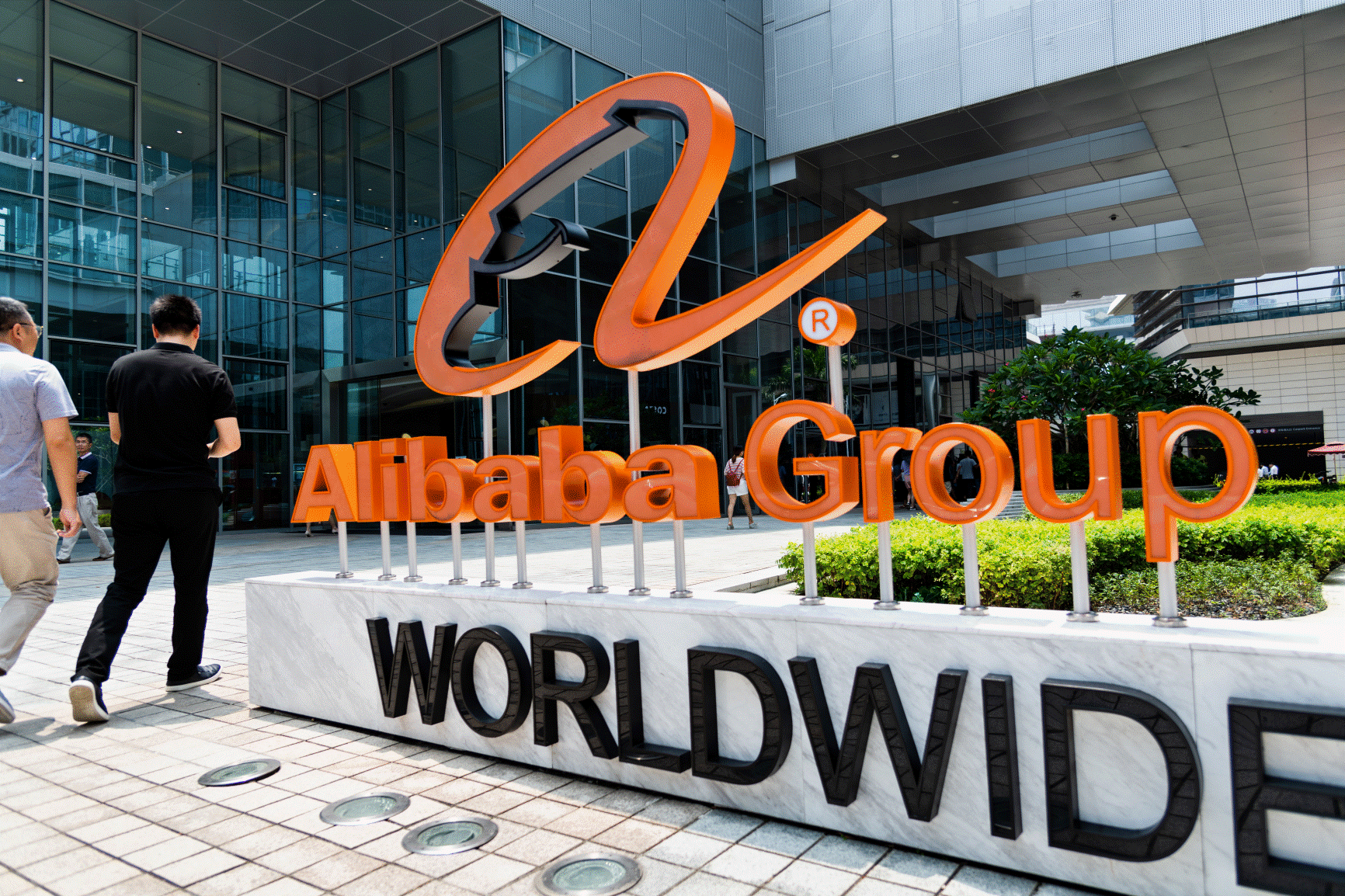
Alibaba Group is set to invest US$7 billion into its commerce platforms while expanding its cloud infrastructure across Asia. The company will launch data centers in Malaysia and the Philippines and establish a new AI hub in Singapore. This move underscores Alibaba’s ambition to lead the next phase of AI-enabled commerce in Asia.
The investment will support discount campaigns, cloud services, and AI training initiatives. Moreover, it reinforces Alibaba’s strategy to embed artificial intelligence into every aspect of consumer and business interaction—from recommendation systems to smart logistics.
Restructuring and AI readiness
Since 2023, Alibaba has undergone a major business restructure, known as the “1+6+N” model. This has created greater autonomy across business units such as Alibaba Cloud, Taobao, and Cainiao. As a result, the company is now more agile in deploying capital into high-growth sectors like AI and e-commerce.
Competition in China’s digital market has intensified. Domestic players like JD.com and Pinduoduo have gained market share with aggressive discounting and faster delivery. At the same time, Alibaba faces pressure to grow outside China. Its focus has shifted toward Southeast Asia, where digital commerce and cloud adoption are accelerating.
Coupons and personalization
Alibaba’s US$7 billion allocation includes large-scale coupon distributions and platform incentives. These will be spread across Taobao, Tmall, and Lazada, aiming to boost user retention and increase spending frequency.
Moreover, the funds will support AI-based personalization, helping sellers tailor product recommendations and promotional timing. As a result, Alibaba hopes to increase Gross Merchandise Volume (GMV) across its platforms.
The timing is crucial. Consumer sentiment across Asia remains fragile, and many platforms are vying for loyalty through discounts. However, Alibaba is betting that a mix of pricing relief and technology personalization will create stronger long-term value.
Malaysia, Philippines, and Singapore
Alibaba Cloud is also expanding its regional footprint. A third data center in Malaysia began operations in early July 2025. A new site in the Philippines is set to launch later this year. These facilities will provide low-latency, localized cloud services to enterprise clients.
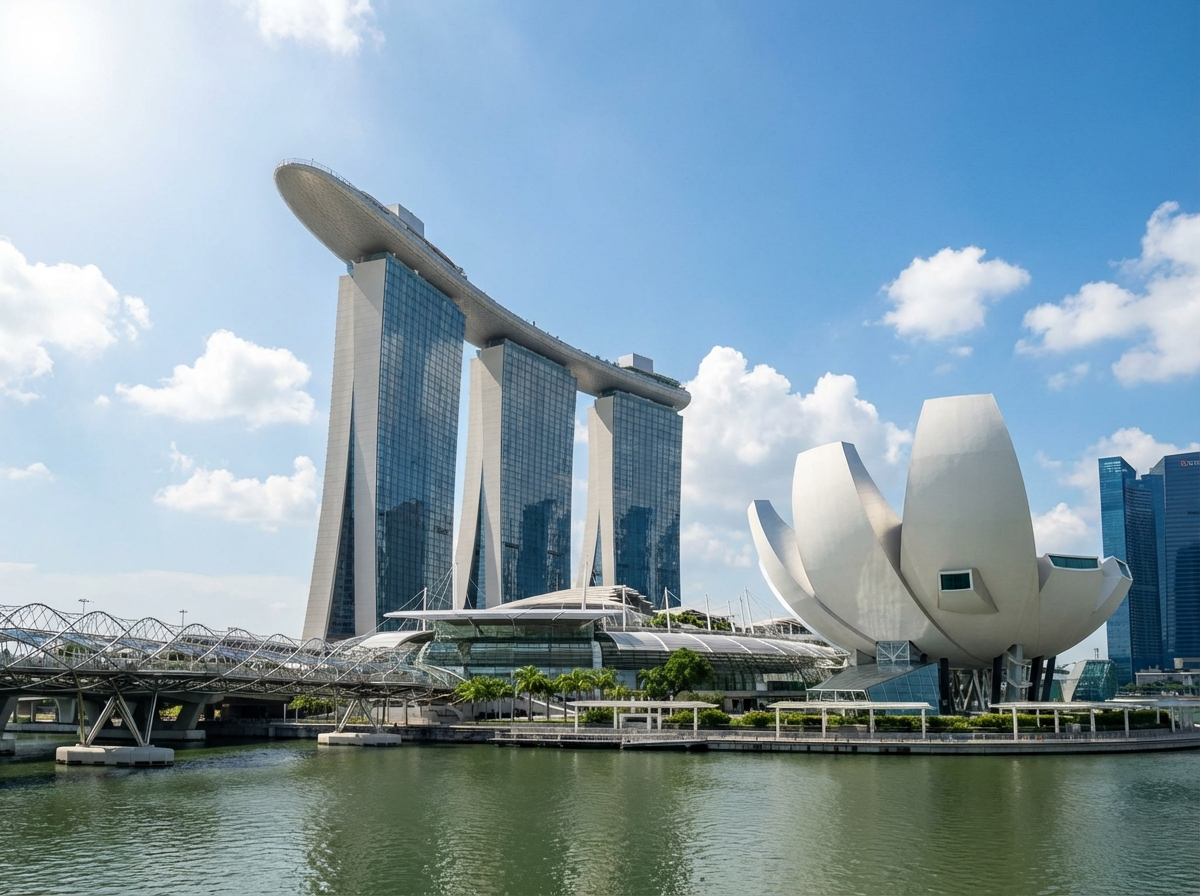
Moreover, in Singapore, Alibaba launched its AI Global Competency Center. The center aims to train over 100,000 developers and partner with universities to strengthen AI talent pipelines. It will also showcase use cases for LLMs, cloud-edge computing, and smart enterprise applications.
As a result, Alibaba Cloud is positioning itself as the infrastructure backbone for Southeast Asia’s digital economy. Countries across the region are seeking sovereign cloud partnerships and enhanced AI capabilities—two areas Alibaba is now deeply aligned with.
AI and infrastructure merge at scale
This dual investment in commerce and cloud shows a clear convergence strategy. Rather than treating e-commerce and cloud as separate units, Alibaba is now building AI-native infrastructure to power commerce workflows. This includes smart fulfillment, chatbot-driven shopping, and predictive restocking.
Moreover, the regional choice is deliberate. Southeast Asia offers scale, regulatory support, and digital demand. By embedding itself through infrastructure and talent, Alibaba gains a stronger foothold amid increasing geopolitical and tech competition.
It’s also a defensive move. Global cloud rivals like Google Cloud and AWS are expanding in ASEAN. However, Alibaba’s edge lies in its combined expertise in retail, logistics, and AI platforms—which few rivals can fully replicate.
Local AI ecosystems and digital dividends
Alibaba’s move may set the tone for multi-market AI infrastructure across the region. Countries like Malaysia and the Philippines can now access cutting-edge compute and services without relying on overseas servers. As a result, data compliance and local innovation may accelerate.
Moreover, Alibaba’s AI hub in Singapore could become the nucleus of regional AI research and business deployment. With rising developer interest in Qwen models and Alibaba’s open-source frameworks, the ecosystem may grow rapidly.
Commerce campaigns tied to the $7B investment will also be closely watched. High coupon redemption rates and GMV increases could validate Alibaba’s strategy and attract further retail partners.
If successful, this initiative could serve as a blueprint for how Chinese tech firms scale influence via infrastructure—not just platforms.
A bold bet on Asia’s digital future
Alibaba’s US$7 billion investment is more than a growth initiative. It’s a signal of regional alignment, AI readiness, and long-term infrastructure commitment. By linking incentives, cloud, and AI, the company is crafting an integrated approach to power the future of digital commerce.
Moreover, Southeast Asia’s openness to tech investment and digital reform gives Alibaba a fertile ground. With strategic foresight and deep capital, the group is positioning itself as the AI engine behind Asia’s digital commerce boom.