




Regional diplomacy reshaped as Beijing forges long-term cooperation with Central Asian states
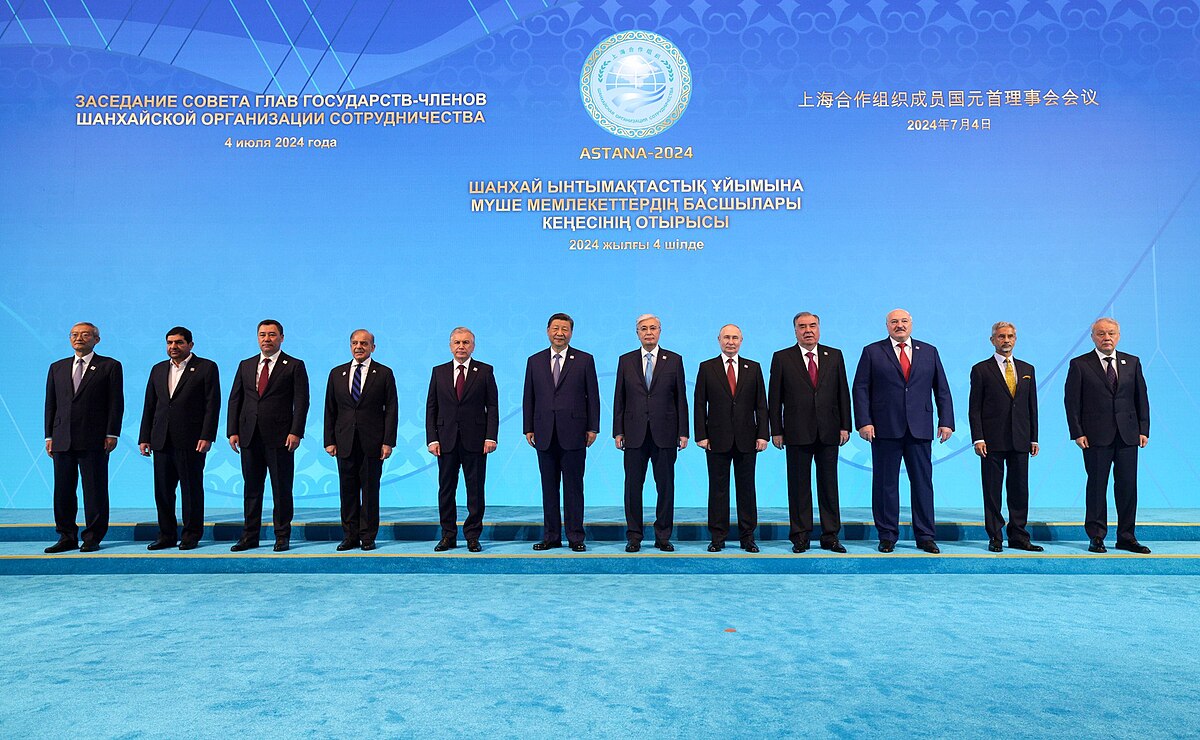
China took a major step toward strengthening Central Asia ties during the 2025 China–Central Asia Summit in Astana, Kazakhstan. Held from June 16 to 18, the summit brought together leaders from Kazakhstan, Kyrgyzstan, Tajikistan, Turkmenistan, and Uzbekistan. The event marked a new phase in regional cooperation, emphasising stability, trade integration, and infrastructure development.
By using multilateral platforms rather than bilateral outreach alone, China is shaping a strategic narrative focused on shared prosperity across Eurasia.
From Silk Road legacy to strategic alignment
China’s engagement with Central Asia has deep roots, starting with the ancient Silk Road. In recent decades, however, the region has become more relevant due to its geography, natural resources, and security interests. Since the launch of the Belt and Road Initiative (BRI) in 2013, Beijing has prioritized infrastructure and trade connectivity with its western neighbors.
This year’s summit is the second of its kind. The first took place in Xi’an in 2023. Together, these events reflect China’s desire to deepen regional partnerships independently of Russia or Western-led alliances. By institutionalizing these summits, Beijing aims to provide a reliable, long-term platform for Central Asian engagement.
Trade, rail links, and energy partnerships
The Astana summit produced more than 30 agreements across energy, digital trade, border systems, and green infrastructure. One of the most significant outcomes was China’s pledge of $10 billion in development funding. These funds will flow through a mix of state-owned banks and joint ventures, helping nations modernize roads, power grids, and digital systems.
A top priority was the expansion of the China–Kyrgyzstan–Uzbekistan railway. Once completed, it will cut freight transit time to Europe by up to 10 days. Additional agreements focused on shared customs procedures, fintech regulation, and scholarship programs for university students.
These efforts align with Beijing’s goal to reduce dependence on Western markets by creating tightly integrated regional economies.
A new model of quiet influence
Unlike past efforts that relied on military alliances, this summit prioritized infrastructure diplomacy. China’s approach now focuses on long-term projects, economic integration, and mutual growth. This subtle but strategic pivot reflects a shift away from force and toward cooperation.
While Russia’s role in the region has grown uncertain due to its conflict in Ukraine, China has increased its diplomatic visibility. Through railways, fiber-optic corridors, and trade deals, it is stepping into the power vacuum with a more measured and attractive offer.
Beijing’s narrative is also evolving. Rather than framing itself as a challenger to the West, it is positioning as a stable partner that offers capital, continuity, and shared development.
Central Asia’s new geopolitical centrality
As supply chains shift and Asia–Europe land routes gain importance, Central Asia is emerging as a strategic crossroads. China’s growing presence in the region is no longer temporary. With annual summits, investment flows, and tech partnerships, Beijing is embedding itself into the regional fabric.
Future plans include:
Annual infrastructure reviews for better project alignment
Joint digital platforms for trade and customs
A China–Central Asia youth innovation fund
These moves indicate that China views Central Asia as more than a transit zone. It now sees the region as a key pillar in its broader geopolitical and economic plans.
Central Asia becomes China’s strategic bridge to the West
The 2025 Astana summit marked a turning point in China’s Central Asia ties. Through soft-power diplomacy, capital investments, and shared governance tools, Beijing is building long-term influence in a historically contested region. By prioritizing infrastructure over ideology, and cooperation over coercion, China is redefining how global partnerships in Central Asia will work.
As the region’s importance grows in the global economy, China’s embedded presence may set the tone for a new era—one shaped not by force or isolation, but by development, diplomacy, and digital connectivity.