

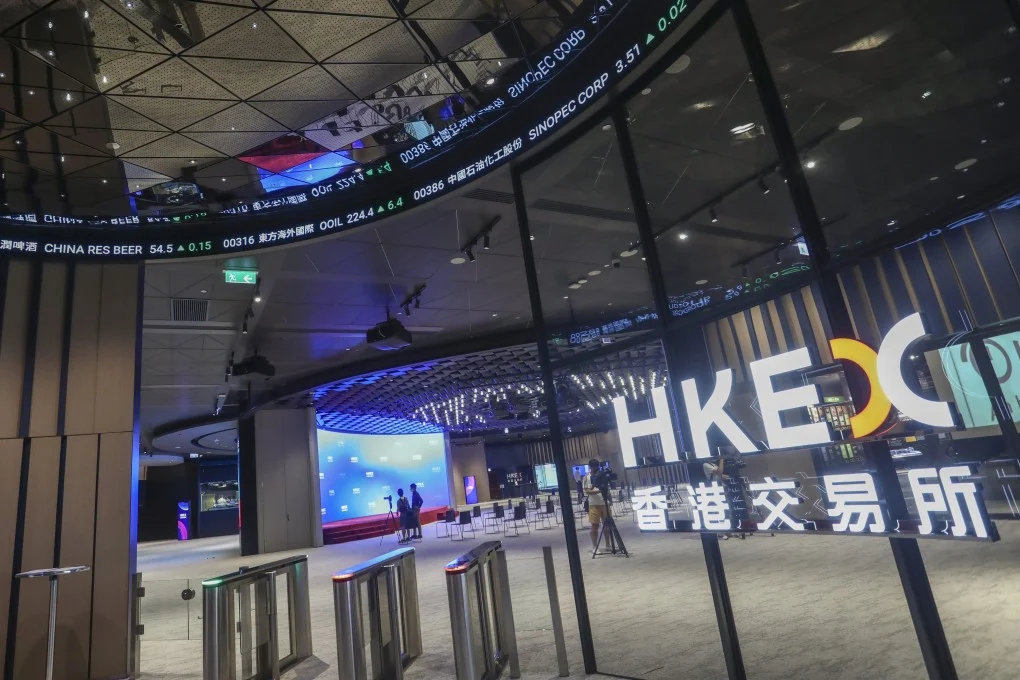
HKEX targets Southeast Asia and Middle East listings
Hong Kong Exchanges and Clearing Limited (HKEX) is intensifying efforts to attract secondary listings from Southeast Asia and the Middle East. As geopolitical shifts and regulatory pressures reshape global capital markets, HKEX aims to solidify its role as Asia’s international financial hub by drawing companies from high-growth regions outside mainland China. With streamlined cross-border access and a more inclusive listing framework, the exchange is pushing to stay ahead in the race for global capital.
Hong Kong’s evolving financial landscape
HKEX has long served as the primary offshore listing venue for Chinese enterprises seeking international capital. However, changes in global regulatory frameworks and capital controls have prompted the exchange to diversify its issuer base. As a result, HKEX is now actively targeting high-growth firms in Southeast Asia and the Middle East.
To enable this outreach, HKEX expanded its Recognized Stock Exchanges (RSEs) list to include the Saudi Exchange (Tadawul), Abu Dhabi Securities Exchange (ADX), and Dubai Financial Market (DFM). Companies listed on these bourses can now pursue streamlined secondary listings on HKEX without dual primary compliance, enabling smoother market entry. This move supports Hong Kong’s ambition to become a magnet for regional unicorns and cross-border capital.
HKEX’s official Global Listing Platform now provides structured options for Southeast Asian and Middle Eastern issuers exploring international growth pathways.
Strengthening global connectivity
As part of its regional expansion, HKEX plans to open a representative office in Riyadh, solidifying its presence in the Middle East. The move follows the signing of financial cooperation agreements between the Hong Kong Monetary Authority and Saudi Arabia’s Capital Market Authority. This expansion is expected to improve investor education, bilateral investment flows, and IPO pipeline development.
In Southeast Asia, the exchange is fostering collaborations with local regulators and financial groups. A surge of interest is coming from Indonesia, Vietnam, and Malaysia, where tech startups and consumer companies seek access to deeper pools of capital. HKEX has promoted its Connect programs, including Stock Connect and Bond Connect, to emphasize ease of access between East and West for institutional and retail investors.
Through its HKEX International IR services, the bourse is also helping potential issuers build visibility among global investor communities before listing.
Why this matters for Asia’s capital flows
HKEX’s cross-regional push is a response to a broader trend: capital diversification away from US-dominated exchanges and toward Asia-led financial ecosystems. With cities like Singapore and Dubai gaining ground as financial gateways, Hong Kong must reinforce its relevance by offering distinct value—liquidity depth, international exposure, and trusted governance.
For issuers, Hong Kong offers a chance to expand investor bases beyond their domestic markets. At the same time, a listing in Hong Kong can serve as a strategic springboard into Chinese capital flows without the constraints of a mainland listing.
From a competitive standpoint, this expansion strategy also sends a strong message: HKEX is pivoting from a China-only platform to a pan-Asian capital formation hub. This new identity could position Hong Kong as a neutral zone for emerging-market growth companies amid growing geopolitical and economic realignments.
Hong Kong’s regional pivot
As HKEX expands its reach, it is also reviewing listing rules to better accommodate tech-driven firms, including those with dual-class share structures or VIE setups. It’s likely that more partnerships with financial regulators across ASEAN and Gulf Cooperation Council (GCC) countries will emerge, particularly in digital asset infrastructure, green finance, and fintech regulation.
Looking ahead, analysts expect a modest but steady stream of Southeast Asian and Middle Eastern companies to test the Hong Kong market in the next 12–24 months. These early listings will provide a model for broader adoption and institutional confidence. Meanwhile, HKEX’s ability to manage cross-border compliance and market promotion will determine the sustainability of its expanded global profile.
The success of this initiative could spark an evolution in Hong Kong’s position—from a China-centric market to a converging point for East–West capital, balancing risk, innovation, and access.
HKEX opens new chapters in cross-border capital
HKEX’s strategy to attract Southeast Asian and Middle Eastern companies reflects its ambition to become the definitive listing destination for growth-stage firms across the wider Asia-MENA corridor. As it deepens ties with these regions and updates its frameworks to meet global demand, Hong Kong is poised to redefine its role—not as a gateway to China alone, but as a global capital hub for the entire emerging world. With strong institutional credibility, growing international ties, and regulatory agility, HKEX’s next decade may be defined by its ability to bridge new economic power centers.