
10 Asian Space‑Tech Firms Building Launch and Orbital Services

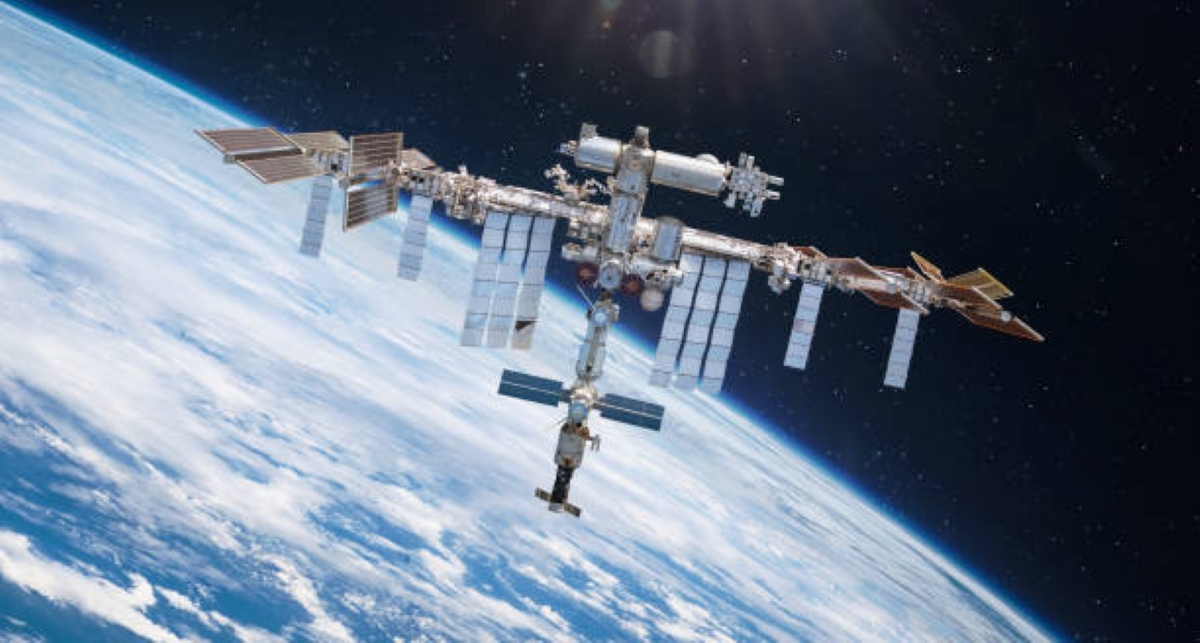
A high-resolution illustration of the International Space Station (ISS) set against the blackness of space. The ISS features multiple interconnected modules and large solar panel arrays extending symmetrically from both sides. Various components such as radiators, trusses, and docking ports are visible, showcasing the complexity and scale of the space station.
Photo by dima_zel, iStock

Share this article :

In 2025, Asia’s private space race is accelerating—driven by launchers, satellite systems, and orbital services. These space-tech Asia 2025 firms lead the charge, ranked by valuation to reflect their scale and impact.

Image by Incubees

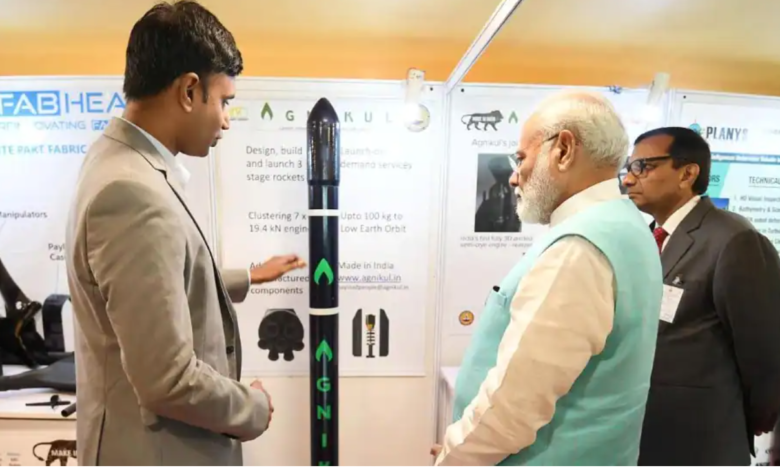
Agnikul Cosmos |

Founders: Srinath Ravichandran, Moin SPM, Satyanaryan Chakravarthy, Janardhana Raju

$44.9 M Series B funding; Valuation: ~$540 M

Founded in 2017, AgniKul Cosmos is India’s first private company to build its own launch pad and a 3D‑printed single-piece engine. After a successful suborbital test in May 2024, it’s now preparing for orbital missions using its modular Agnibaan rocket. The company operates a launch facility in Sriharikota and aims to offer tailored small-satellite launch services from 2025 onward.

Image by SatNews

INNOSPACE |

Founder: Kim Soo-jong (CEO)

Publicly listed with $43 M+ funding; Valuation: ~$121 M

Founded in 2017, INNOSPACE is one of South Korea’s most advanced commercial launch firms, specializing in hybrid propulsion systems that blend liquid oxidizers with solid fuels. Its flagship launcher, the HANBIT-NANO, is a small-lift orbital rocket designed to deliver 50–90 kg payloads to low Earth orbit, targeting CubeSats and defense satellites. Innospace completed South Korea’s first private rocket launch in 2023 from Alcântara Space Center in Brazil and listed on the KOSDAQ in 2024. The company is now building full-scale commercial infrastructure to support global small-satellite clients.

 Image by SpaceNews

Perigee Aerospace |

Founders: Yoon Shin, Youngjin Song

$21.1 M Series B raised; Valuation: ~$80 M (est.)

Founded in 2018, Perigee Aerospace is developing the reusable Blue Whale 1 rocket designed for cost-effective suborbital and orbital launches. Based in Daejeon, it is building Korea’s first private commercial launch pad and targeting 40+ small payload launches annually. The company aims to make space access flexible and affordable for Asian satellite operators.

Image by WARPSPACE

Warpspace |

Founder: Toshihiro Kameda

Laser relay satellite deployment planned 2025; Valuation: Not disclosed

Founded in 2016, Warpspace specializes in laser-based inter-satellite communication. Its WARP‑01 CubeSat launched in 2021, and it plans to deploy the WarpHub InterSat constellation in 2025 to offer high-bandwidth optical relay services for satellite data networks. The company is focused on supporting next-generation satellite internet and space-based cloud services across Asia.

 Image by TRT Global

Space Epoch |

Founders: aerospace company

RMB 200 M (~US$27 M) raised; Valuation: ~$30 M (est.)

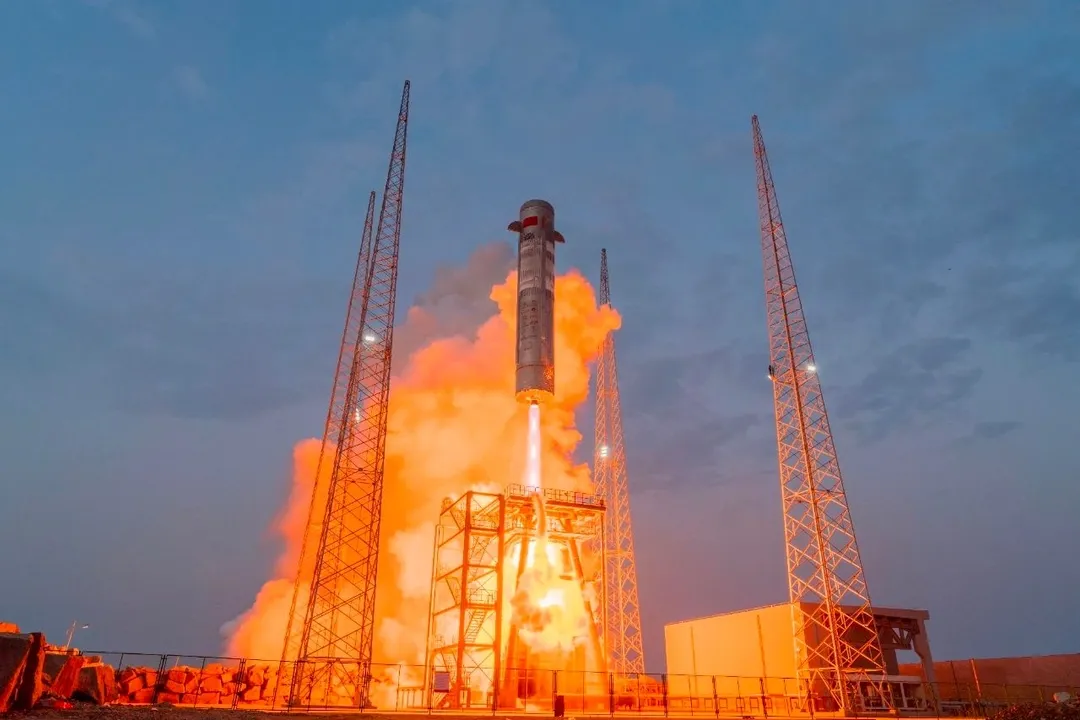
Founded in 2019, Space Epoch is developing the reusable XZY‑1 methane-LOX rocket, aiming for frequent, low-cost launches for applications including e-commerce logistics with Alibaba. The firm is also pursuing automation-led payload integration and low-turnaround refueling strategies, making it a key player in China’s commercial orbital future.

Image by Pixxel

Pixxel |

Founders: Awais Ahmed and Kshitij Khandelwa

$36 M Series B raised; Valuation: ~$25 M (est.)

Pixxel is pioneering hyperspectral Earth-imaging, launching its first three satellites in January 2025. Its constellation will provide daily global imaging for agriculture, disaster response, and environmental monitoring. With strong international partnerships, Pixxel is positioning itself as Asia’s first full-stack space data platform.

Image by Berita Harian

Image by Inc42

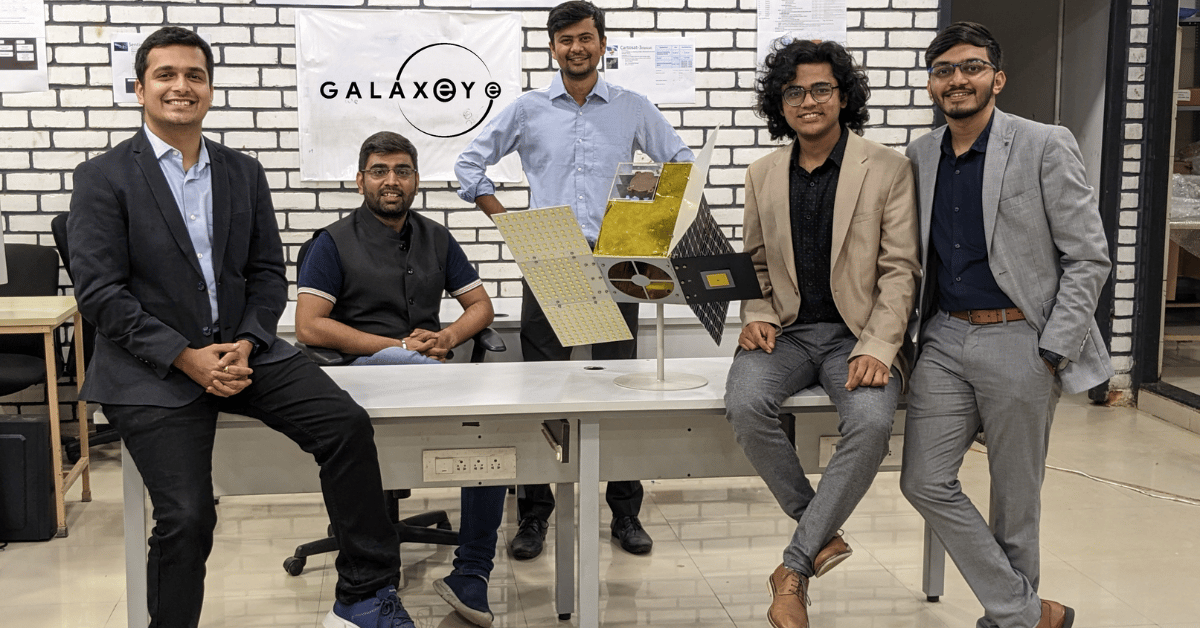
GalaxEye |

Founders: Pranit Mehta and IIT Madras alumni team

Preparing first private satellite launch; Valuation: Not disclosed

Launched in 2021, GalaxEye develops all-weather, cloud-penetrating imaging satellites. Based in Chennai, it’s preparing for its first private satellite launch in 2025. With dual-sensor fusion technology, GalaxEye aims to enhance Earth observation with fewer launches, reducing space debris and cost per image for climate and security sectors.

Image by Rivada Space Networks

Rivada Space Networks |

Founders: Global team

AsiaTechX partnerships signed 2025; Valuation: Not disclosed

Rivada is building Outernet, a laser-linked LEO satellite mesh to enable ultra-secure, low-latency communications for governments and enterprises. Following partnerships announced at AsiaTechX 2025, it’s poised to deploy infrastructure across Southeast Asia for defense, critical infrastructure, and disaster communications.

Image by Kyowa Electronic Instruments

Interstellar Technologies |

Founders: Takafumi Horie,

Toyota-backed; 7+ MOMO launches; Valuation: ~$10–15 M (est.)

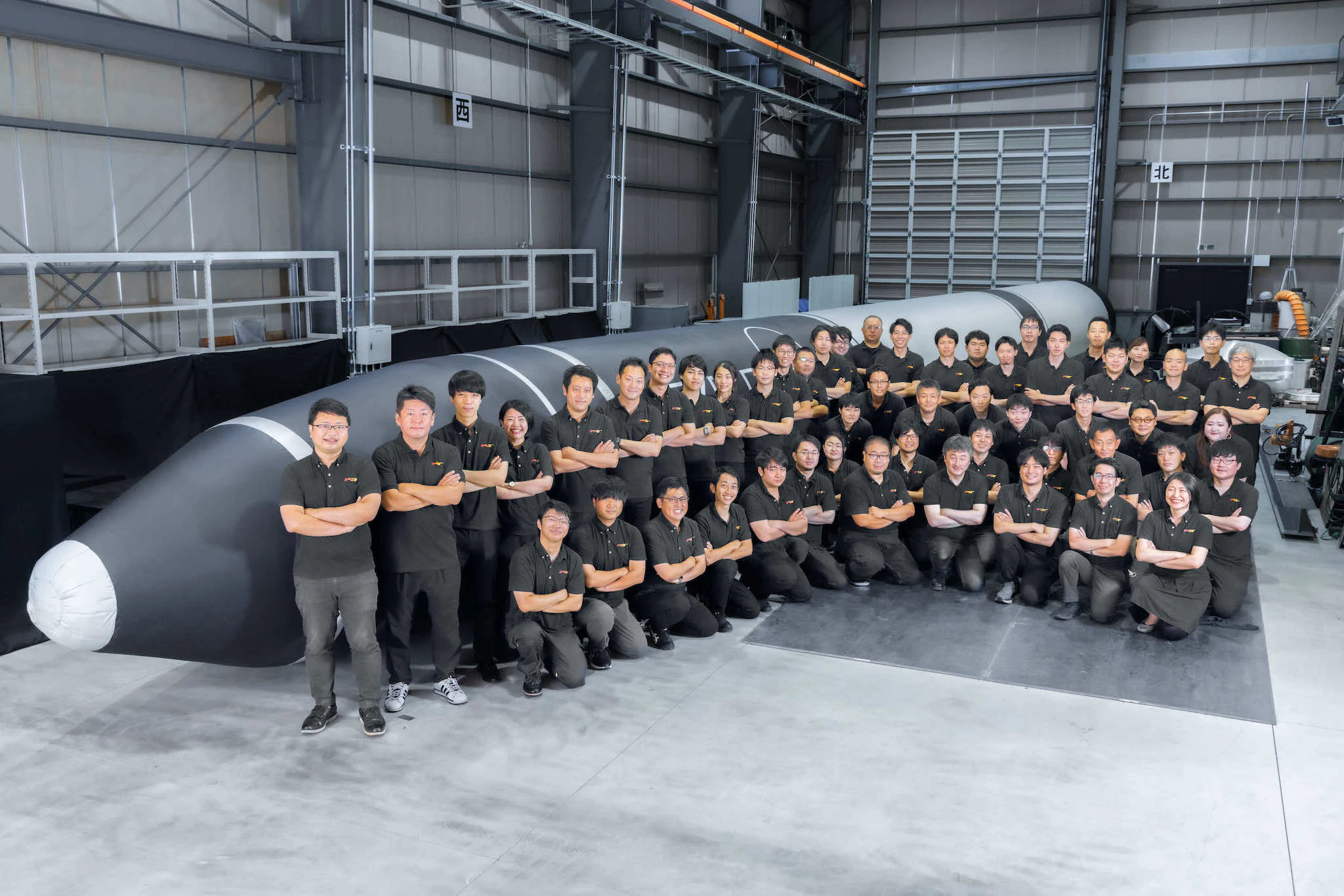
Founded in 2013, Interstellar has flown seven MOMO suborbital rockets. It’s currently developing its orbital-class ZERO and DECA launchers, with key financial backing from Toyota. The company is focused on building Japan’s first private orbital capability, integrating lean manufacturing and modular designs for frequent small satellite launches.

Image by Spaceaustralia

TiSpace |

Founders: Dr. Yen-Sen Chen

Key Metric: 2025 Hokkaido launch planned; Valuation: Not disclosed

Founded before 2024, TiSpace is developing a 12 m sounding rocket to be launched from Hokkaido in 2025. This mission marks Taiwan’s first space launch attempt abroad and represents a key milestone in regional space collaboration. Its vision includes full orbital launches from Taiwanese territory by 2027, expanding the island’s aerospace capabilities.

These 10 space-tech Asia 2025 firms are redefining what regional space autonomy looks like. AgniKul Cosmos and INNOSPACE lead with valuations and launch infrastructure, while Perigee and Warpspace bring reusable launch and communication breakthroughs. From hyperspectral imaging to laser-based networks, Asia’s private space sector is no longer speculative—it’s deployable, defensible, and commercially viable. The next orbital decade will be shaped not just by NASA or SpaceX, but by IIT labs in Chennai, launchpads in Jeju, and code written in Daejeon and Tokyo


Discover more inspiring journeys on Feature.Asia: 10 Entrepreneurs Under 30 Changing Asia’s Economy

Share this article :

Other Articles

Other Features

India’s AI sector is projected to add $500 billion to the economy by 2035, powered by sectoral innovation, digital policy,...
Enterprise technology firm EX3 has launched dedicated AI Labs to develop applied automation solutions for payroll, HR, and enterprise intelligence,...
Lei Jun's visionary leadership has propelled Xiaomi to the forefront of global technology innovation....
Generic selectors
Exact matches only
Search in title
Search in content
Post Type Selectors