


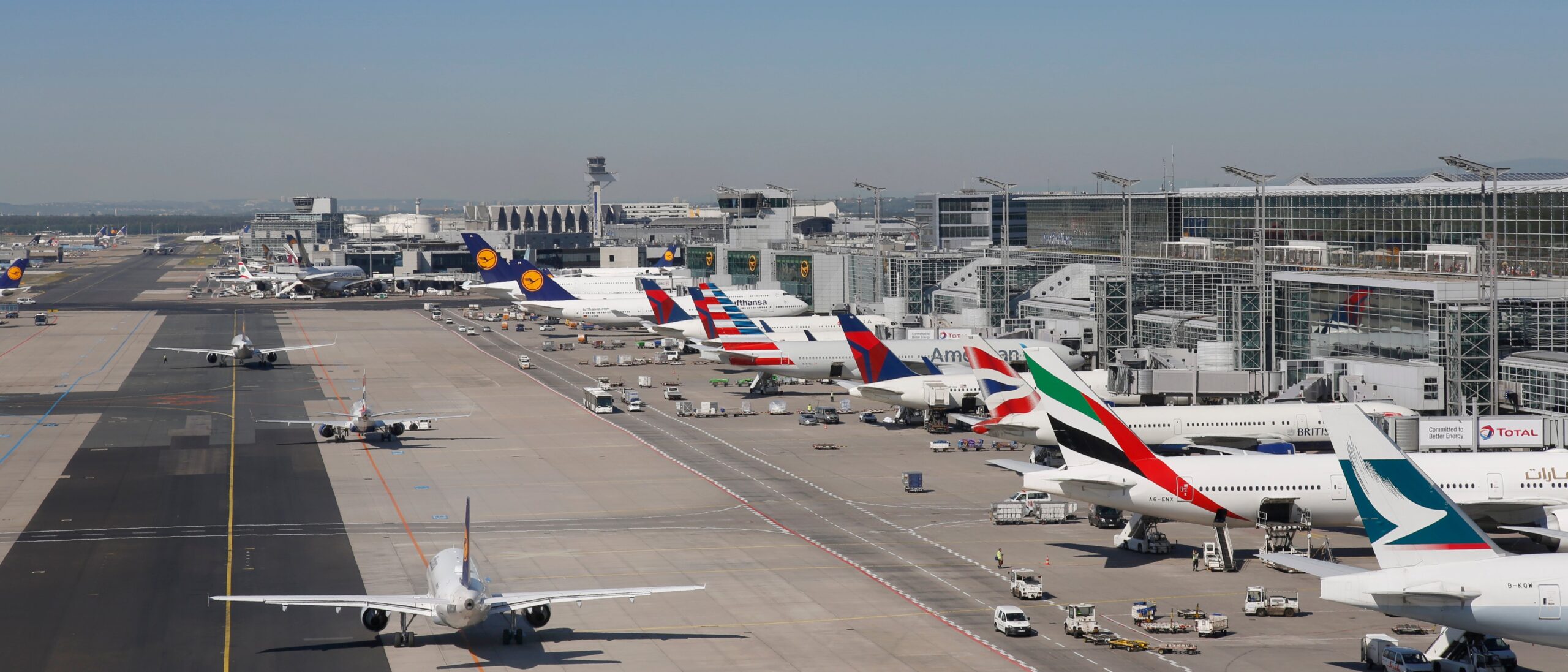
Across Asia, airlines are accelerating innovation in fleet renewal, digital services, and decarbonization. With sustainable aviation fuel (SAF) adoption rising and next-generation aircraft entering fleets, these ten carriers stand out for leading Asia’s transition toward cleaner, smarter, and more efficient aviation.
Image by Martin Roll
Singapore Airlines |
- Singapore
CEO: Goh Choon Phong
SAF blend used on all outbound flights from Changi starting 2025; one of the world’s youngest long-haul fleets
Singapore Airlines (SIA) remains Asia’s benchmark for premium service and sustainable aviation leadership. The carrier continues investing in new-generation aircraft—including A350s and 787s—to reduce emissions while improving operational efficiency. Its multi-year SAF partnership with ExxonMobil and Neste advances Singapore’s national decarbonization strategy. SIA also leads digital innovation, using AI for predictive maintenance, route analytics, and personalized passenger services.

Image by Al Jazeera
Cathay Pacific Airways |
- Hong Kong
CEO: Ronald Lam
Committed to 10% SAF use by 2030; major investment in green aviation startups
Cathay Pacific is one of the region’s strongest SAF pioneers, investing heavily in U.S. and Asia-based SAF developers to secure long-term supply. Its “Fly Greener” program offers transparent carbon-offsetting options, and the airline is rapidly modernizing its fleet with A350s and 777-9s. With Hong Kong’s aviation recovery accelerating, Cathay is positioning itself as a major sustainability leader in Greater China.
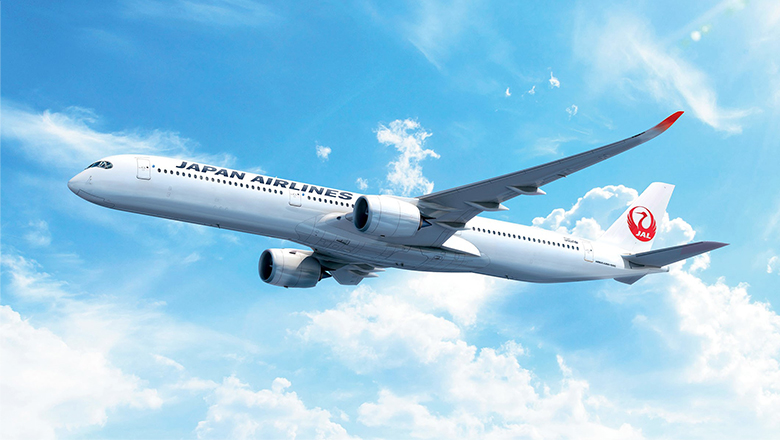
Image by JAPAN AIRLINES
Japan Airlines (JAL) |
- Japan
CEO: Mitsuko Tottori
Japan’s first airline to operate large-scale SAF supply chains for domestic and international flights
Japan Airlines pairs tradition with sustainability leadership, advancing Japan’s target for 10% SAF usage by 2030. Under CEO Mitsuko Tottori, the airline’s investment in advanced biofuels and circular-economy recycling initiatives—including waste-to-fuel technologies—positions JAL as a key player in Asia’s aviation decarbonization roadmap. Its precision operations and fleet upgrades continue to improve fuel efficiency across both domestic and long-haul operations.
Image by Skytrax
All Nippon Airways (ANA) |
- Japan
CEO: Shinichi Inoue
Star Alliance member with one of Asia’s largest fleets of fuel-efficient Boeing 787s
ANA is known for operating one of the most eco-efficient widebody fleets worldwide, driven by its early adoption of the Boeing 787 Dreamliner. The airline is expanding SAF partnerships in the U.S., Japan, and Southeast Asia while exploring carbon-capture fuel technologies. Its digital transformation strategy includes AI-assisted baggage tracking, contactless services, and autonomous ground support equipment—all designed to reduce emissions and improve efficiency airport-wide.
Image by Wikipedia
Korean Air |
- South Korea
CEO: Cho Won-tae
Major fleet modernization program with A321neos, 787s, and A350s; expanding SAF ecosystem in Korea
Korean Air is advancing national sustainability goals through major aircraft upgrades and a growing SAF ecosystem in collaboration with GS Caltex and global energy partners. The airline is also pioneering digital twins for fleet monitoring, enhancing both fuel efficiency and operational safety. As it integrates with Asiana, Korean Air is preparing one of the region’s most efficient combined fleets.


Image by wikipedia
Asiana Airlines |
- South Korea
CEO: Song Bo-young
Early adopter of SAF flights out of Incheon; reduced annual CO₂ emissions through upgraded flight operations
Asiana continues contributing to Korean aviation sustainability, deploying SAF blends across select regional and long-haul routes. The carrier’s Airbus A350 and 777 modernization program improves fuel efficiency, while its enhanced flight planning systems reduce emissions. As part of its integration with Korean Air, Asiana’s sustainability efforts are shaping the future of Korea’s unified national airline.
Image by Travel Trade Journal
AirAsia |
- Malaysia
CEO: Tony Fernandes
Leading low-cost carrier in Asia with digital-first ecosystem; major investments in carbon reduction
AirAsia has transformed from a budget airline into a comprehensive digital travel ecosystem, using data and automation to enhance operational efficiency. The airline invests in cleaner aircraft like the A321neo and has announced SAF adoption in partnership with Neste and local fuel producers. Its region-wide network makes it one of the most impactful airlines for scaling affordable, sustainable travel across Southeast Asia.

Image by Tripadvisor
Garuda Indonesia |
- Indonesia
CEO: Glenny Kairupan
Significant CO₂ reduction via fleet optimization and A330neo expansion
Garuda Indonesia is deepening its sustainability commitments through fleet renewal, optimized flight operations, and local SAF development. The airline is partnering with Pertamina and energy companies to explore Indonesia-produced SAF. With a focus on service excellence and efficiency, Garuda continues to rebuild its long-haul and regional network with sustainability as a central priority.
Image by wikipedia
VietJet Air |
- Vietnam
CEO: Nguyen Thi Phuong Thao
One of Asia’s youngest fleets; major order of fuel-efficient Airbus A321neo aircraft
VietJet Air pairs affordability with sustainability by deploying one of the region’s newest narrow-body fleets. Its modern aircraft help cut emissions while supporting Vietnam’s fast-growing aviation market. VietJet is investing in SAF usage and exploring green-airport technologies alongside Vietnamese regulators. Under the leadership of Nguyen Thi Phuong Thao, the airline continues pushing innovation in low-cost, fuel-efficient operations.

Image by IndiGo
IndiGo Airlines |
- India
CEO: Pieter Elbers
India’s largest airline with 350+ A320neo family jets supporting low-emission operations
IndiGo leads India’s sustainability push with over half its fleet composed of new-generation A320neo and A321neo aircraft, delivering major reductions in fuel burn. The airline is expanding SAF partnerships with Indian refineries, supporting the nation’s carbon-neutrality goals. IndiGo’s scale, punctuality, and operational rigor make it India’s strongest contributor to cleaner aviation growth.
Asia’s airlines are accelerating innovation through next-generation aircraft, carbon-reduction strategies, and strategic SAF partnerships. Together, these ten carriers are shaping a greener aviation ecosystem—making sustainability not just an obligation, but a competitive advantage. As Asia becomes the world’s largest aviation market, these airlines will define how the region moves toward a smarter, cleaner, and more resilient future.
Discover more inspiring journeys on Feature.Asia: 10 Entrepreneurs Under 30 Changing Asia’s Economy