




A potential deal that reframes Asia’s sportswear ambition
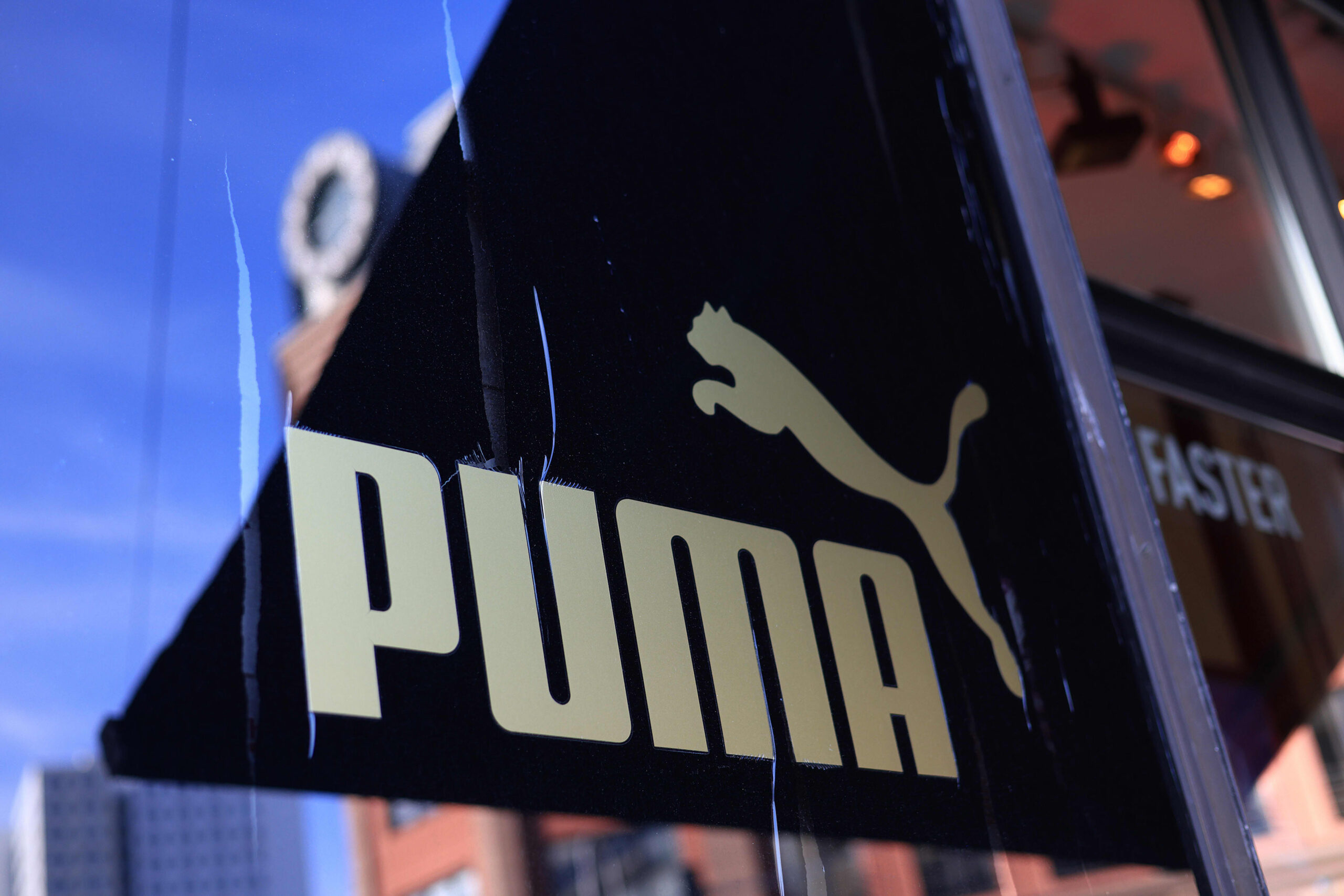
Chinese sportswear leaders Anta Sports Products and Li Ning are among the bidders exploring a possible acquisition of German brand Puma, according to multiple reports and people familiar with the talks. The interest surfaced after Puma’s market value slid sharply through 2025, prompting its largest shareholder, Artemis, to review strategic options. News of a possible sale pushed Puma’s shares up by double digits in late November, underlining how seriously markets are taking the scenario. While no binding offer has been confirmed, the very fact that two Chinese champions are circling one of Europe’s iconic athletic labels signals something bigger than a single M&A rumor. It points to a new phase in Asia’s consumer-goods playbook, where regional giants aim for global scale through takeover, not only exports.
Puma’s slump opens a rare window
Puma has been navigating a difficult year. Its shares have fallen by more than half since January, reflecting slowing demand in core categories, pressure from higher tariffs on some supply routes, and intensifying rivalry from Nike and Adidas. In October, Puma announced a turnaround plan that included job cuts and sharper focus on running, football, and training, with new CEO Arthur Hoeld tasked to restore growth by 2027. Yet the stock’s weakness also made Puma vulnerable. With a market capitalization around US$2.9 billion in late November, the brand now sits at a valuation level that invites strategic buyers.
The other catalytic factor is ownership structure. Artemis, the Pinault family holding company and Puma’s largest shareholder, controls about 29% of the brand. Sources say Artemis has been working with advisers to assess paths forward, including a partial or full sale, though it may be reluctant to exit at today’s depressed price. By sounding out multiple parties—Chinese firms, other sportswear groups, and even sovereign wealth funds—Artemis has created a competitive auction atmosphere even at this early stage.
For Anta and Li Ning, Puma represents something rare: a globally recognized brand with strong heritage, broad distribution, and still-recoverable equity. Such assets do not come to market often, especially at a mid-single-digit billion-dollar price point.
Why Anta and Li Ning are looking outward
Anta’s interest fits its established strategy. Over the last decade, Anta Sports Products has built a multi-brand portfolio through acquisitions and licensing, including its transformation of Fila in China and its ownership of outdoor brand Amer Sports. This model lets Anta operate at multiple price tiers and lifestyle segments while sharing supply-chain scale behind the scenes. Buying Puma would extend that portfolio from Asia into a major European legacy label, giving Anta stronger Western distribution and a bigger global share in performance sports categories.
Li Ning’s motivations are different and arguably more directional. Li Ning has remained more single-brand focused, using cultural design, athlete partnerships, and premium positioning to build domestic momentum. A Puma acquisition would be a structural shift. It would give Li Ning instant global retail reach, deeper R&D and product pipelines, and the kind of wholesale muscle that usually takes decades to build organically. Reports suggest Li Ning has been speaking with banks to examine financing structures, even while publicly denying any substantive engagement so far. That denial is standard at this stage, but the exploration itself indicates how far Li Ning’s ambition may now stretch beyond China.
There is a third strategic layer: timing. If Asia’s consumer giants believe global sportswear listings are undervalued, acquiring now could allow them to ride any recovery in demand and sentiment across Europe and North America. In that sense, the bid talks are not only about brand glamour, but about buying global optionality at a discount.
Asia’s M&A playbook is maturing
This possible bid highlights a shift in Asian consumer strategy. Ten years ago, Chinese sportswear brands competed mainly at home, learning manufacturing scale and marketing discipline. Their global presence was limited and often distributor-led. Today, the strongest Chinese groups are operating like global holding companies. They manage multiple brands, target different consumer tribes, and use M&A as a shortcut to international relevance.
If Anta or Li Ning were to secure Puma, it would also invert an old hierarchy. Asia has long been a growth market for Western sportswear. This deal would make Asia the owner, and the West the next growth lever. That changes how brand storytelling, athlete sponsorship, and distribution decisions might be made.
It also reflects the broader consumer reality in Asia. Local brands have become credible in design, quality, and marketing. They have learned to build identity, not just volume. Once that capability is in place, global acquisition starts to look less risky. You are not buying a brand you cannot run. You are buying one you think you can grow faster than its current owners can.
Still, these deals carry execution risks. Western heritage brands come with expectations around autonomy, athlete culture, and retail positioning. If a Chinese buyer is seen as over-centralizing or shifting identity too abruptly, loyal consumers may push back. The winners will be those who let Puma stay Puma, while quietly improving supply efficiency, digital commerce, and Asian market penetration.
What happens if the deal advances
If the bidding moves into a formal stage, several scenarios emerge. Anta could pursue Puma solo, or with a private equity partner, to reduce capital load and preserve flexibility. Li Ning could join a consortium if the price rises beyond its comfort zone. Some sources also mention other potential contenders such as Japan’s Asics, which suggests a wider Asia-led race for global sports brands could be forming.
Should a takeover occur, the immediate priority would be restructuring Puma’s turnaround with fresh capital and new consumer focus. Asia would likely become a bigger strategic pillar for Puma’s next cycle, given how fast sportswear demand is growing across China, Southeast Asia, and India. The acquirer could also push deeper into women’s performance, running technology, and lifestyle collaborations, categories where Puma has heritage but needs sharper execution.
Even if no deal happens, the signal remains. Anta and Li Ning testing this move tells global markets that Asia’s consumer champions are ready to buy, not just compete. More such attempts are likely, especially in categories where legacy brands carry strong equity but current valuations look fragile.
A rumor that reveals a real structural change
Whether Anta or Li Ning ultimately buys Puma is still uncertain. But the exploration itself is meaningful. Puma’s valuation slump and shareholder openness have created a window for Asia’s biggest sportswear firms to consider a leap into global ownership. The episode captures a wider consumer shift in Asia: brands that once grew by imitating Western leaders now seek to own global heritage and reshape it for the next era. In sportswear, that could be the start of a new cycle where Asian capital, strategy, and design play an increasingly central role in defining the world’s athletic brands.