



India’s tech capital rises in global innovation rankings as Swiggy IPO and seed surge lead the charge
Bengaluru has jumped seven spots to rank 14th in the 2025 Global Startup Ecosystem Report. This is the highest position ever for an Indian city and marks a major milestone in the country’s innovation journey. The rise comes from a 26% surge in seed funding, the rapid growth of deep tech startups, and headline IPO moves from firms like Swiggy.
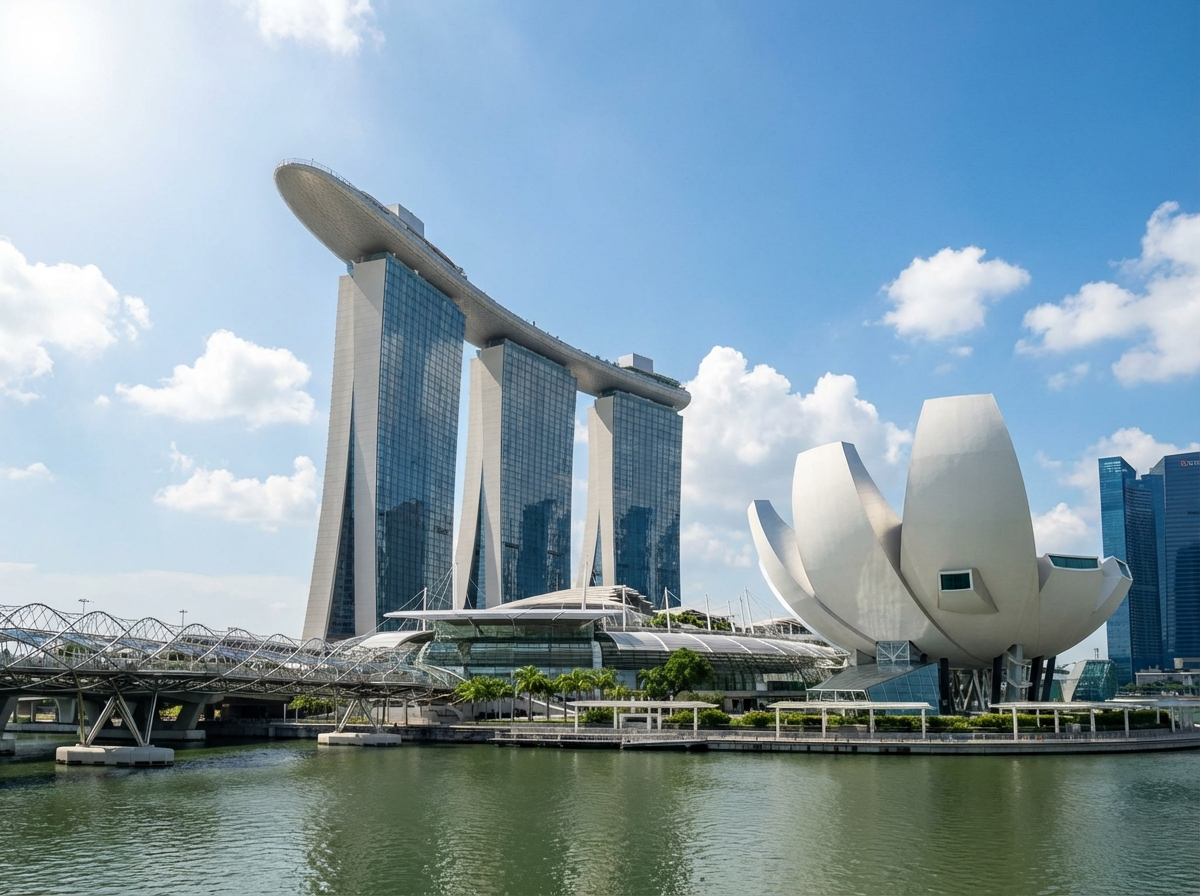
Now ahead of many European cities, Bengaluru ranks as Asia’s third-strongest startup hub—trailing only Singapore and Beijing. This growth reflects India’s growing influence in venture capital, SaaS innovation, and consumer tech.
From back office to full-stack innovation hub
Over the past decade, Bengaluru has evolved from a low-cost tech hub into a global center for innovation. This transformation was powered by several structural shifts:
The expansion of startup infrastructure, with major players like WeWork India and 91springboard building vast co-working spaces.
Strong industry-academia collaboration, supported by institutions such as IIIT-B and NIMHANS, especially in healthtech and AI.
Continued interest from global investors like Tiger Global, Accel, and Sequoia India, who have invested over $3 billion in the city’s startups since 2020.
Swiggy’s planned IPO, expected to raise billions in the U.S., confirms Bengaluru’s readiness for global capital markets and its growing VC maturity.
Seed surge, talent recycling, and startup churn
In 2024–25, Bengaluru recorded one of the world’s fastest growth rates in early-stage funding. It outperformed hubs like Berlin, New York, and Tokyo. Several factors contributed to this momentum:
The rise of new angel networks and early-stage funds like Blume Ventures and Arkam Ventures.
Quick exits and acquisitions by companies such as PhonePe, Razorpay, and Flipkart, creating strong liquidity cycles.
An influx of deep-tech startups working on AgriTech, Logistics, and ClimateTech solutions.
More importantly, many entrepreneurs are second-time founders. Former Flipkart and Myntra employees are launching their own companies, creating a self-renewing startup ecosystem.
Building a sustainable innovation benchmark
Bengaluru is no longer just chasing unicorn valuations. Instead, the focus has shifted to sustainable B2B growth and solving real-world challenges. Platforms like Razorpay and Swiggy, once disruptors, are now acting as startup mentors, angel investors, and ecosystem builders.
The city’s strengths include deep engineering talent, cost-efficient scaling, and regulatory flexibility. These factors give it an edge in building scalable solutions for South-to-South markets like Africa, the GCC, and Southeast Asia.
Bengaluru is also setting a new global model—one that blends local problem-solving with international ambition, especially in sectors underserved by traditional Silicon Valley models.
Cross-border scale, sovereign capital, and export pipelines
Looking ahead, Bengaluru-based startups are building products for global markets. Many are already expanding into Southeast Asia, the UAE, and Africa, offering solutions in logistics, embedded finance, and micro-SaaS.
Meanwhile, relaxed LP regulations in India and growing interest from sovereign funds in Singapore and Abu Dhabi are expected to bring in more capital. State-led programs like the Karnataka Innovation Authority’s export accelerator plan to help 100+ startups go global by 2027.
With Swiggy’s IPO setting the tone, Bengaluru is positioned to lead Asia’s next wave of startup globalization. More companies are reaching Series A with better liquidity access, and investor confidence is rising.
You can learn more about India’s policy shift toward startup exports via the Karnataka Innovation Authority website.
India’s global innovation beacon finds its stride
Bengaluru’s rise to 14th in the global startup rankings is not just a regional success—it’s a sign of India’s emergence as a full-fledged innovation leader. With smart capital, scalable talent, and expanding product ecosystems, the city is poised to create the next generation of global tech champions.
Its ascent proves that consistent infrastructure, inclusive funding, and cross-border ambition can transform a city from a regional hub into a global innovation anchor. Bengaluru is no longer just India’s Silicon Valley—it’s becoming Asia’s startup crucible.