




A shift toward stronger economic support
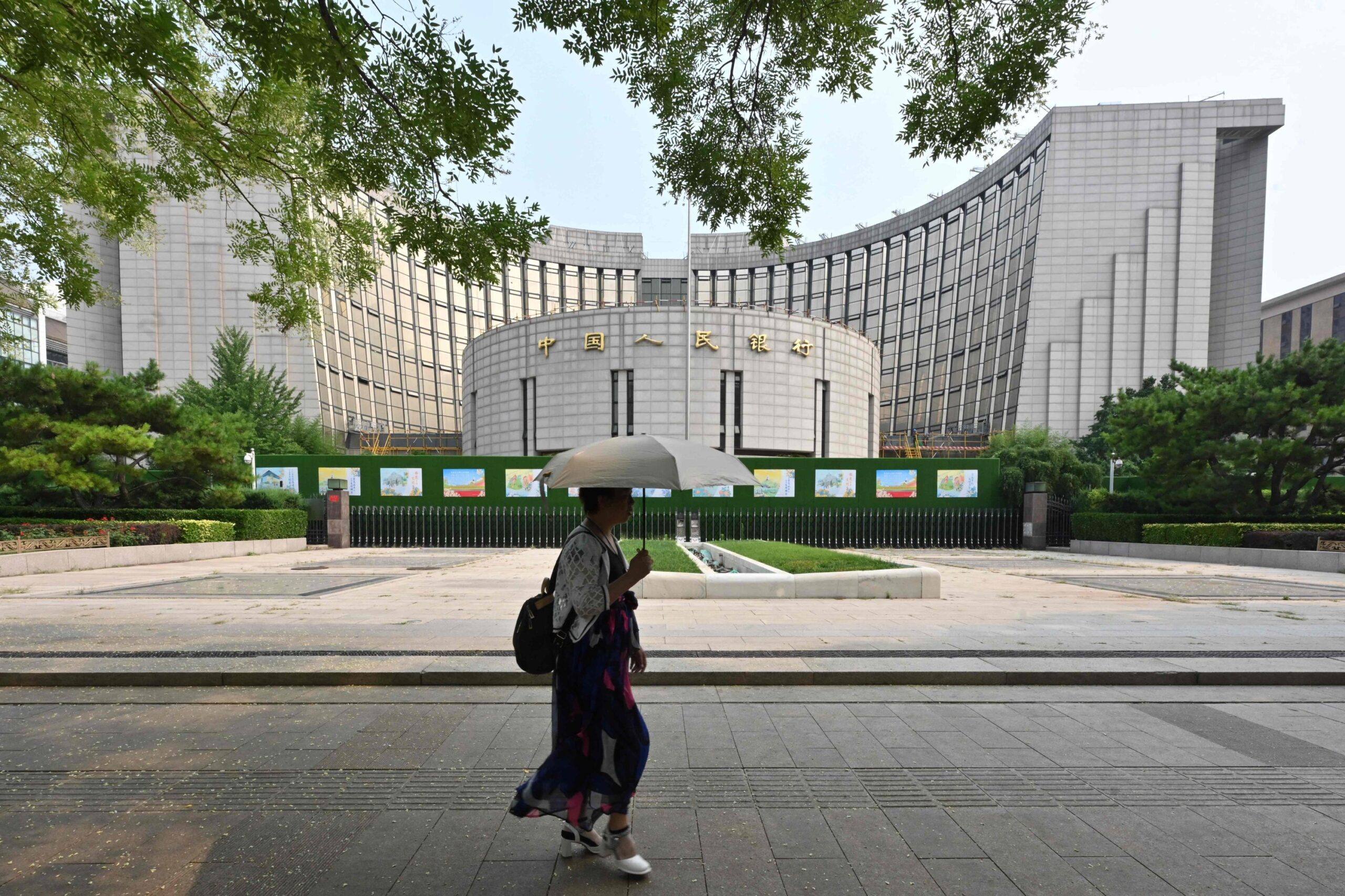
China is preparing to adopt more supportive fiscal and monetary policies to stabilize growth and restore confidence in 2026. This shift, shared by senior advisers to the People’s Bank of China (PBoC), signals a strategic pivot. As weak sentiment and slowing private investment continue, China is entering a new phase focused on domestic recovery.
The upcoming policies will include targeted stimulus, liquidity support, and incentives to boost consumption. These efforts aim to balance fiscal discipline with stronger demand. For businesses in Asia, the shift presents both new opportunities and potential risks.
Policy recalibration amid uncertainty
After years of mixed growth and cautious spending, China’s leadership is signaling a more proactive economic approach. Both the National Development and Reform Commission (NDRC) and Ministry of Finance (MOF) have outlined a focus on structural support instead of short-term stimulus bursts.
The PBoC is likely to lower reserve requirements for banks and improve credit access for small businesses. At the same time, fiscal policy will emphasize infrastructure, social spending, and innovation. These actions are designed to boost medium-term growth and rebuild consumer confidence.
According to official NDRC guidance, the government will maintain fiscal discipline while using flexible tools to protect jobs and stabilize prices. This strategy marks a shift — from broad stimulus to targeted investments aligned with long-term goals.
Targeted stimulus with discipline
Unlike past cycles, China’s new measures will be more focused and measured. Policymakers plan to expand credit for industries such as green energy, semiconductors, and smart manufacturing. Meanwhile, stricter rules will limit local government debt and curb property speculation.
Monetary support will involve liquidity tools like policy bank lending and relending programs. These tools aim to guide funds into key sectors while keeping the financial system stable. The PBoC may also adjust interest rates to encourage borrowing without weakening the yuan.
Fiscal spending will focus on high-speed rail, clean energy, and digital infrastructure. Local governments will be instructed to use special-purpose bonds more efficiently. The goal is to ensure that public funds support projects with long-term value.
According to the People’s Bank of China, its next phase of easing will emphasize “measured flexibility.” This suggests a steady, controlled approach rather than aggressive intervention — a sign of confidence in a gradual recovery path.
Reforming from the inside out
China’s policy shift highlights a key trend across Asia: governments are looking for ways to boost growth without creating new financial risks. In China’s case, that means building domestic demand while avoiding speculative bubbles or debt overhang.
The real test lies in whether this support translates into stronger household spending. Many families still prefer to save rather than spend, concerned about jobs, healthcare, and housing costs. As a result, the government is tying economic support to social reforms — expanding pension access, improving housing affordability, and increasing public services.
This approach builds on lessons from past stimulus rounds. Rather than pushing credit-driven growth, China is steering investment toward sectors that enhance productivity and social stability. This “quality growth” model is both economic and political, offering stability in uncertain global conditions.
For regional businesses and global investors, the signal is clear. China is moving from export dependence to domestic resilience. That shift will change how trade, supply chains, and investment flow across Asia-Pacific.
What it means for businesses and markets
This new direction will affect businesses both inside and outside China. Domestic companies may benefit from easier financing and more government-led projects. International firms focused on China’s consumer or tech sectors could see steadier demand and clearer policy guidance.
Capital markets are also expected to adjust. Analysts believe modest monetary easing will help lower borrowing costs and boost bond sales. At the same time, maintaining currency stability remains key. The PBoC’s careful stance reassures investors that China will avoid excessive volatility.
Over the next five years, China’s focus on targeted fiscal and monetary tools may become a model for other emerging economies. The emphasis will be on smart investments, regulatory clarity, and inclusive growth — giving companies a more stable environment to plan ahead.
For neighboring countries, the ripple effects will be wide. ASEAN exporters, Japanese manufacturers, and Korean tech firms may benefit from renewed Chinese demand. However, they will also face more competition as Chinese companies rise in value-added sectors, helped by policy support.
A new policy era focused on resilience
China’s expected policy shift marks a turning point in its development story. The aim is not just to restart growth, but to redesign its foundations — moving from heavy industry to tech, and from exports to consumption.
This change reflects China’s growing maturity as a global economy. The new approach mixes agility with long-term vision, offering a balanced response to today’s challenges. As the region adjusts, those aligned with China’s new priorities — green energy, innovation, and inclusivity — will be best placed to thrive.