


Grab Foodpanda Taiwan acquisition reshapes delivery competition
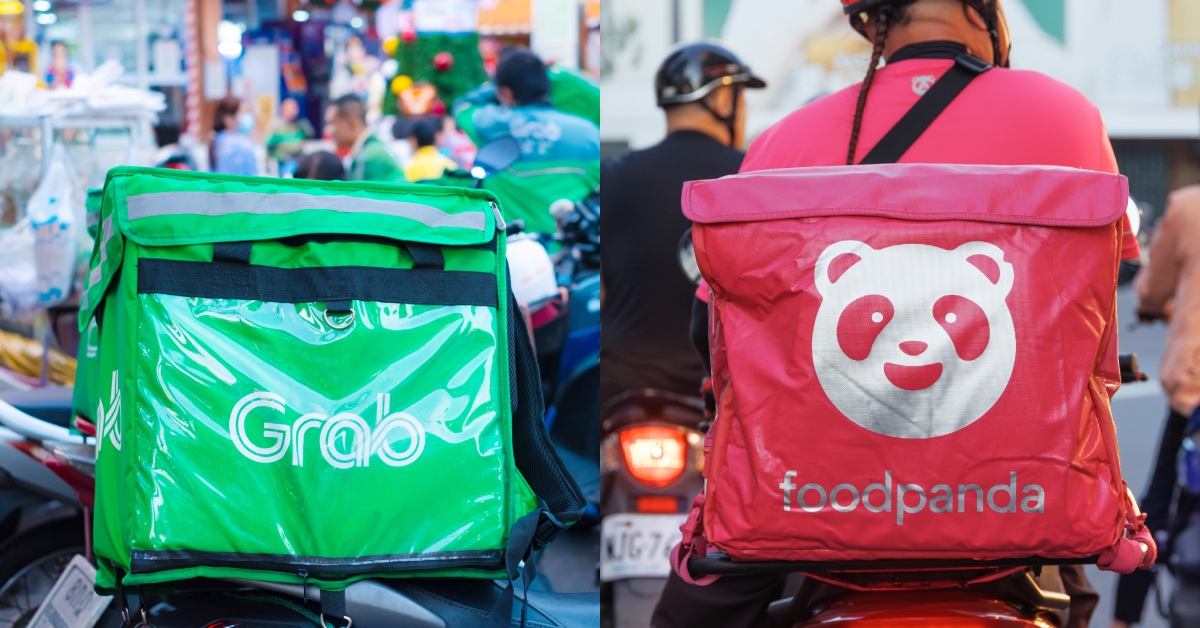
Southeast Asia’s super app Grab has agreed to acquire Delivery Hero’s Foodpanda Taiwan business for $600 million, marking a major consolidation move in Asia’s food delivery market. The deal strengthens Grab’s position beyond its core Southeast Asian markets and signals its ambition to expand regionally through targeted acquisitions.
The Grab Foodpanda Taiwan acquisition highlights a key shift in platform competition, where scale, logistics efficiency, and market dominance are becoming critical to long-term success. As competition intensifies, companies are increasingly turning to acquisitions to accelerate growth and eliminate fragmentation.
Consequently, the deal underscores how food delivery platforms are evolving into regional ecosystems rather than country-specific players.
Asia’s food delivery market enters consolidation phase
Asia’s food delivery sector has experienced rapid growth over the past decade, driven by urbanization, smartphone adoption, and digital payments.
Platforms such as Grab, Foodpanda, Uber Eats, and Meituan have expanded aggressively across markets, competing for users, merchants, and delivery networks.
However, intense competition has also led to high operational costs.
Food delivery platforms often rely on subsidies, discounts, and marketing spend to attract users and retain market share.
As a result, profitability has become a major challenge across the industry.
In response, companies are increasingly focusing on consolidation.
By acquiring competitors or exiting less profitable markets, platforms can reduce competition and improve operational efficiency.
Delivery Hero, Foodpanda’s parent company, has been restructuring its portfolio globally, prioritizing profitability over expansion.
Grab strengthens presence beyond Southeast Asia
The acquisition of Foodpanda Taiwan represents a strategic expansion for Grab.
While Grab is a dominant player in Southeast Asia, Taiwan provides access to a new, mature market with strong digital adoption and high food delivery penetration.
Through the deal, Grab gains:
- Established merchant and restaurant networks
- Existing logistics and delivery infrastructure
- A large and active user base
This allows Grab to scale quickly without building operations from scratch.
In addition, the acquisition strengthens Grab’s regional ecosystem.
The company already operates across ride-hailing, food delivery, and fintech services.
Expanding into Taiwan may create opportunities to integrate these services and replicate its “super app” model.
Furthermore, the deal aligns with Grab’s strategy of improving profitability.
Reducing competition in key markets can help optimize pricing, logistics, and operational efficiency.
Platform giants battle for regional dominance
The Grab Foodpanda Taiwan acquisition comes amid intense competition in Asia’s delivery and super app ecosystem.
Companies such as Meituan in China, Gojek (GoTo) in Indonesia, and Uber Eats in select markets are competing for dominance.
Each platform is attempting to build a comprehensive ecosystem that combines:
- Food delivery
- Ride-hailing
- Digital payments
- Financial services
This integrated model allows companies to increase user engagement and generate multiple revenue streams.
In Taiwan specifically, competition has historically included Foodpanda and Uber Eats as major players.
Grab’s entry through acquisition could reshape the competitive landscape.
The deal may lead to increased consolidation as other players reassess their strategies.
Consolidation becomes key to platform profitability
The Grab Foodpanda Taiwan acquisition reflects a broader industry shift.
After years of rapid expansion and aggressive competition, platform companies are now focusing on sustainable growth and profitability.
Consolidation plays a central role in this transition.
By reducing the number of competitors in a market, companies can improve margins, optimize operations, and strengthen pricing power.
At the same time, acquisitions allow platforms to scale quickly without incurring the high costs of organic expansion.
However, consolidation also raises regulatory considerations.
Competition authorities may closely examine such deals to ensure fair market practices and prevent monopolistic behavior.
Balancing growth with regulatory compliance will therefore be critical.
Asia’s delivery ecosystem set for further consolidation
Looking ahead, consolidation in Asia’s food delivery and super app sectors is likely to continue.
Several trends support this outlook:
- Increasing focus on profitability over growth
- Rising operational costs and logistics complexity
- Strong competition among major platforms
- Expansion of multi-service “super app” ecosystems
Companies may continue to pursue acquisitions, partnerships, and market exits to optimize their portfolios.
At the same time, integration of services such as fintech and mobility will become increasingly important.
For Grab, the successful integration of Foodpanda Taiwan will be key.
The company will need to align operations, maintain service quality, and leverage synergies across its platform.
If executed effectively, the acquisition could strengthen Grab’s position as a leading regional super app.
Grab accelerates regional dominance through strategic acquisition
Grab’s $600 million acquisition of Foodpanda Taiwan marks a significant milestone in Asia’s platform economy. By expanding into a new market and consolidating competition, the company is reinforcing its regional growth strategy.
As the food delivery industry evolves, consolidation and ecosystem integration will remain central themes. Grab’s move highlights how leading platforms are positioning themselves for long-term dominance in Asia’s digital economy.