




Honeywell IIT Bombay partnership supports sustainability innovation
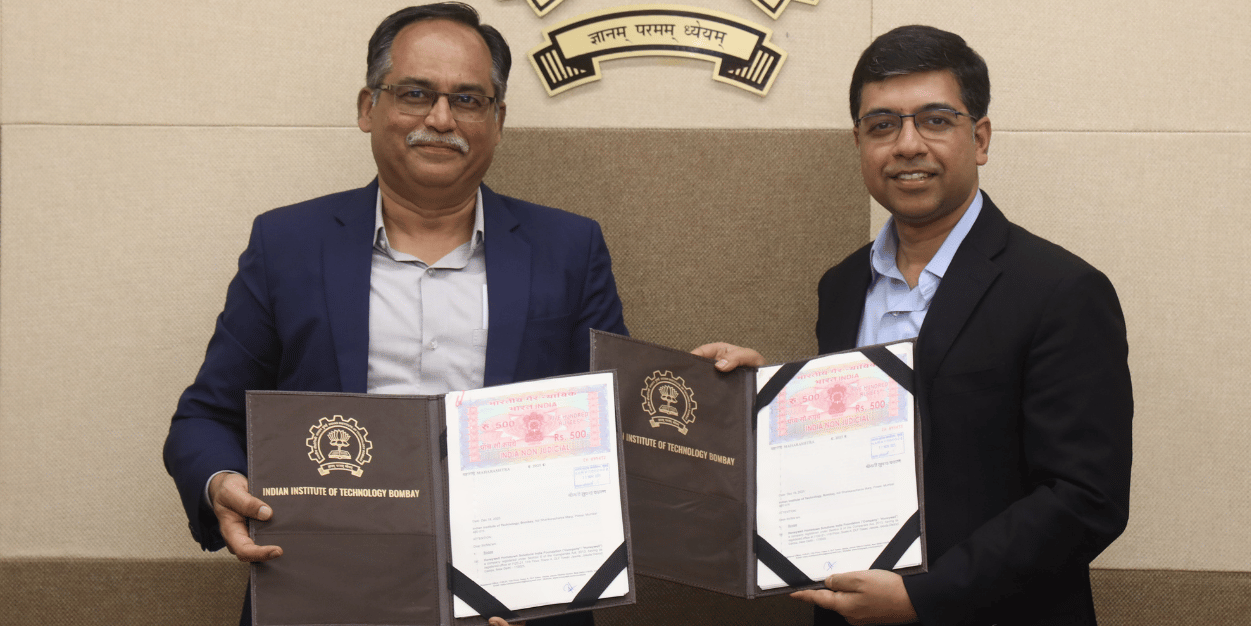
Global technology company Honeywell has partnered with the Indian Institute of Technology Bombay (IIT Bombay) to launch a new Sustainability Innovation Centre focused on energy innovation, sustainability skills, and workforce development. The initiative aims to strengthen collaboration between industry and academia to accelerate solutions for climate and energy challenges.
The Honeywell IIT Bombay partnership reflects a growing trend where corporations and universities work together to develop talent and technologies for emerging sustainability sectors. As industries worldwide move toward cleaner energy systems and environmentally responsible operations, the demand for skilled professionals in sustainability and climate technology continues to increase.
Consequently, partnerships between global companies and leading research institutions are becoming a key mechanism for accelerating innovation and preparing the next generation of engineers and sustainability experts.
India strengthens sustainability and energy innovation ecosystem
India has become an important hub for sustainability research and clean-energy innovation as the country works toward ambitious climate goals and energy transition targets.
Government organisations such as the Ministry of New and Renewable Energy (MNRE) and the Ministry of Environment, Forest and Climate Change (MoEFCC) are promoting renewable energy development, carbon reduction initiatives, and green technology research.
Policy bodies such as NITI Aayog also support long-term strategies for energy transition, sustainable infrastructure, and climate innovation.
In parallel, leading academic institutions across India are expanding research programs focused on sustainability and climate technology.
IIT Bombay, one of India’s most prestigious engineering universities, has built a strong reputation for research in energy systems, environmental science, and advanced engineering.
Universities play an essential role in training engineers, researchers, and entrepreneurs who will lead future sustainability initiatives.
At the same time, multinational corporations increasingly collaborate with universities to accelerate innovation and build talent pipelines.
Companies such as Honeywell, Siemens, Schneider Electric, and General Electric regularly partner with research institutions to explore new technologies in energy, automation, and environmental sustainability.
These collaborations help bridge the gap between academic research and real-world industrial deployment.
Building sustainability skills and research capabilities
The Sustainability Innovation Centre launched through the Honeywell IIT Bombay partnership will focus on several key areas, including sustainability education, research collaboration, and industry training.
One major objective of the centre is to equip students and researchers with practical knowledge in energy innovation and environmental technologies.
Training programs will likely cover topics such as renewable energy systems, energy efficiency, industrial decarbonization, and sustainable infrastructure design.
By combining academic expertise with industry experience, the centre aims to develop practical solutions that can be implemented in real-world industries.
In addition to education initiatives, the centre will support research collaborations between Honeywell engineers and IIT Bombay researchers.
These collaborations may explore technologies that improve energy efficiency, reduce emissions, and support sustainable manufacturing processes.
Furthermore, the partnership aims to strengthen workforce development.
As global industries transition toward cleaner energy systems, companies require professionals with expertise in sustainability technologies, climate policy, and energy management.
Industry-academic partnerships help ensure that engineering graduates possess the skills needed to contribute to sustainability-focused industries.
Corporate-academia collaborations expand globally
The Honeywell IIT Bombay partnership reflects a broader global trend where corporations partner with universities to drive innovation and talent development.
Many multinational companies operate research laboratories or innovation hubs within universities to accelerate technology development.
For example, companies such as Microsoft, IBM, and Google collaborate with universities worldwide to advance research in artificial intelligence, cloud computing, and digital technologies.
Similarly, energy and industrial companies often partner with academic institutions to develop sustainability solutions.
Companies such as Siemens Energy, Schneider Electric, and ABB support university research programs focused on renewable energy systems and smart infrastructure.
These partnerships provide mutual benefits.
Universities gain access to industry resources and real-world expertise, while companies benefit from academic research and access to skilled graduates.
Consequently, such collaborations play an important role in shaping future technological ecosystems.
Industry and academia unite to tackle climate challenges
The launch of the Sustainability Innovation Centre demonstrates how cooperation between industry and academia can accelerate progress toward global sustainability goals.
Climate change and energy transition require complex solutions that combine scientific research, engineering innovation, and policy support.
Universities often lead fundamental research, while corporations possess the resources and operational experience needed to scale technologies.
By combining these strengths, collaborative initiatives can move innovations from research laboratories into real-world applications more quickly.
Workforce development is another critical factor.
The transition to sustainable industries requires engineers and professionals trained in new technologies such as renewable energy systems, carbon management, and energy-efficient manufacturing.
Programs that connect students directly with industry partners help ensure that future professionals are prepared to address global sustainability challenges.
Sustainability partnerships likely to grow
Looking ahead, partnerships between corporations and academic institutions are expected to expand as sustainability becomes a central priority for industries worldwide.
Governments across Asia are encouraging universities and companies to collaborate on climate innovation, energy research, and environmental technology development.
India, in particular, is positioning itself as a global hub for engineering talent and clean-energy innovation.
Academic institutions such as IIT Bombay, IIT Delhi, and IIT Madras are strengthening research capabilities in areas including renewable energy, advanced materials, and sustainable infrastructure.
Meanwhile, multinational companies continue investing in research partnerships that support technological innovation and workforce development.
Consequently, initiatives such as the Honeywell Sustainability Innovation Centre may play a crucial role in shaping the next generation of sustainability technologies and talent.
Honeywell collaboration strengthens sustainability talent pipeline
Honeywell’s partnership with IIT Bombay represents an important step toward strengthening sustainability innovation and workforce development in India. By launching the Sustainability Innovation Centre, the collaboration aims to support research, education, and practical solutions that address energy and environmental challenges.
As industries worldwide accelerate their transition toward sustainable operations, partnerships between corporations and academic institutions will remain essential for developing the technologies and skilled professionals needed to build a more sustainable future.