



Huawei Cloud strengthens partner-led AI growth strategy
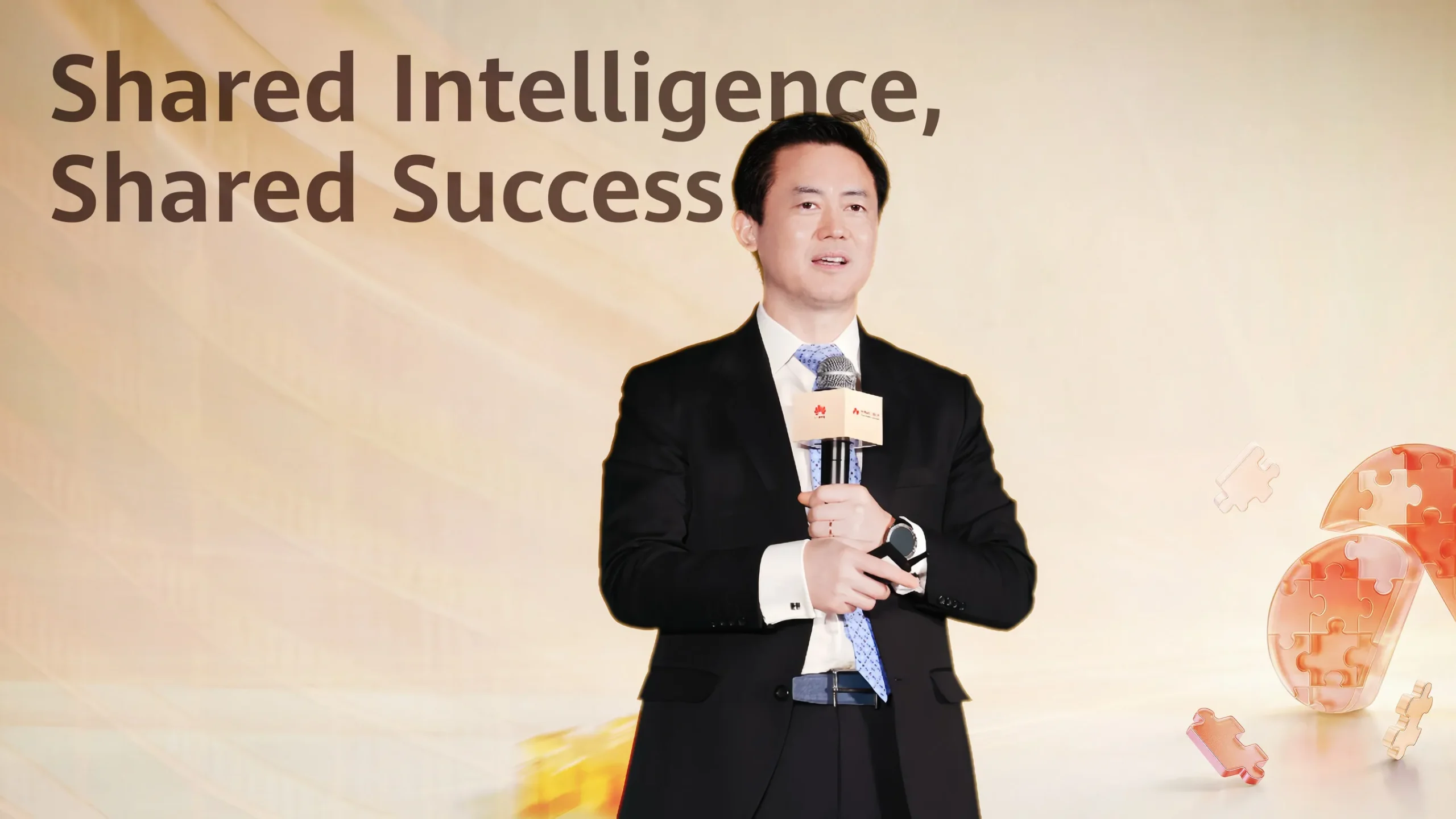
Huawei Cloud has unveiled its 2026 Global Sales Partner Policy, outlining a refreshed framework to deepen collaboration with service providers and channel partners worldwide. Announced at a partner event in Singapore on 22 January 2026, the new policy expands AI-focused incentives, enablement programmes, and go-to-market support, reinforcing Huawei Cloud’s ambition to accelerate cloud and AI adoption through a strong ecosystem approach.
The move signals a clear shift toward partner-led commercialisation. Rather than relying solely on direct sales, Huawei Cloud is positioning partners as primary drivers of AI deployment across industries, especially in Asia’s fast-growing digital markets.
Why partner ecosystems matter in cloud and AI
As cloud computing matures, differentiation increasingly comes from industry solutions, integration capability, and local execution rather than infrastructure alone. AI adoption, in particular, requires deep domain knowledge, customised deployment, and ongoing optimisation.
In Asia, this complexity is amplified by market diversity. Enterprises operate under different regulatory regimes, languages, and digital maturity levels. Local partners play a critical role in translating cloud and AI technologies into practical, scalable solutions.
Huawei Cloud has steadily invested in building a broad partner base across Asia-Pacific. This includes system integrators, independent software vendors, managed service providers, and industry specialists. The 2026 policy builds on this foundation, signalling confidence that ecosystem-led growth will define the next phase of cloud expansion.
What the 2026 Global Sales Partner Policy includes
The updated policy introduces expanded AI-centric incentives designed to reward partners that actively drive cloud and AI adoption. These include enhanced revenue-sharing models, performance-based rebates, and dedicated funding for joint market development.
Huawei Cloud is also strengthening technical enablement and training. Partners gain access to advanced AI tools, solution architectures, and certification programmes, enabling them to deliver higher-value services rather than basic cloud reselling.
Another key focus is co-creation and go-to-market alignment. Huawei Cloud plans to work more closely with partners to develop industry-specific solutions in sectors such as manufacturing, finance, healthcare, and smart cities. Joint branding and coordinated sales efforts aim to shorten sales cycles and improve customer outcomes.
By launching the policy in Singapore, Huawei Cloud highlights Southeast Asia’s importance as a regional hub for cloud consumption and AI experimentation.
Cloud competition is shifting to ecosystem depth
Huawei Cloud’s partner policy reflects a broader shift in the global cloud market. Infrastructure scale alone no longer guarantees success. Instead, ecosystem depth, partner capability, and solution relevance determine long-term competitiveness.
AI accelerates this trend. Enterprises rarely adopt AI as a standalone product. They seek integrated solutions that align with business processes, data environments, and regulatory requirements. Partners act as the bridge between cloud platforms and enterprise reality.
For cloud providers operating across Asia, partner ecosystems also offer resilience. Local partners help navigate market entry barriers, build trust with customers, and adapt offerings quickly. This makes ecosystem strategy a critical competitive lever.
What this means for AI commercialisation in Asia
In the near term, Huawei Cloud’s updated partner policy may lead to a surge in AI pilot projects and industry deployments, particularly among mid-sized enterprises that rely heavily on local service providers.
Over the medium term, stronger partner incentives could encourage the development of repeatable AI solutions tailored to regional industries. This supports faster scaling and reduces the cost of adoption for enterprises new to AI.
Longer term, a mature partner ecosystem positions Huawei Cloud to participate more deeply in Asia’s digital transformation. As governments and enterprises invest in AI-driven productivity, platforms that enable partners to succeed collectively are likely to capture sustained growth.
A clear bet on shared success through partnerships
Huawei Cloud’s 2026 Global Sales Partner Policy marks a decisive bet on shared success through ecosystem collaboration. By expanding AI-focused incentives, enablement, and joint go-to-market efforts, the company is aligning its growth strategy with the realities of AI commercialisation.
As cloud and AI adoption accelerates across Asia, partner-led models are likely to play an increasingly central role. Huawei Cloud’s move underscores how ecosystem strength, not just technology, will shape the next chapter of regional digital growth.