

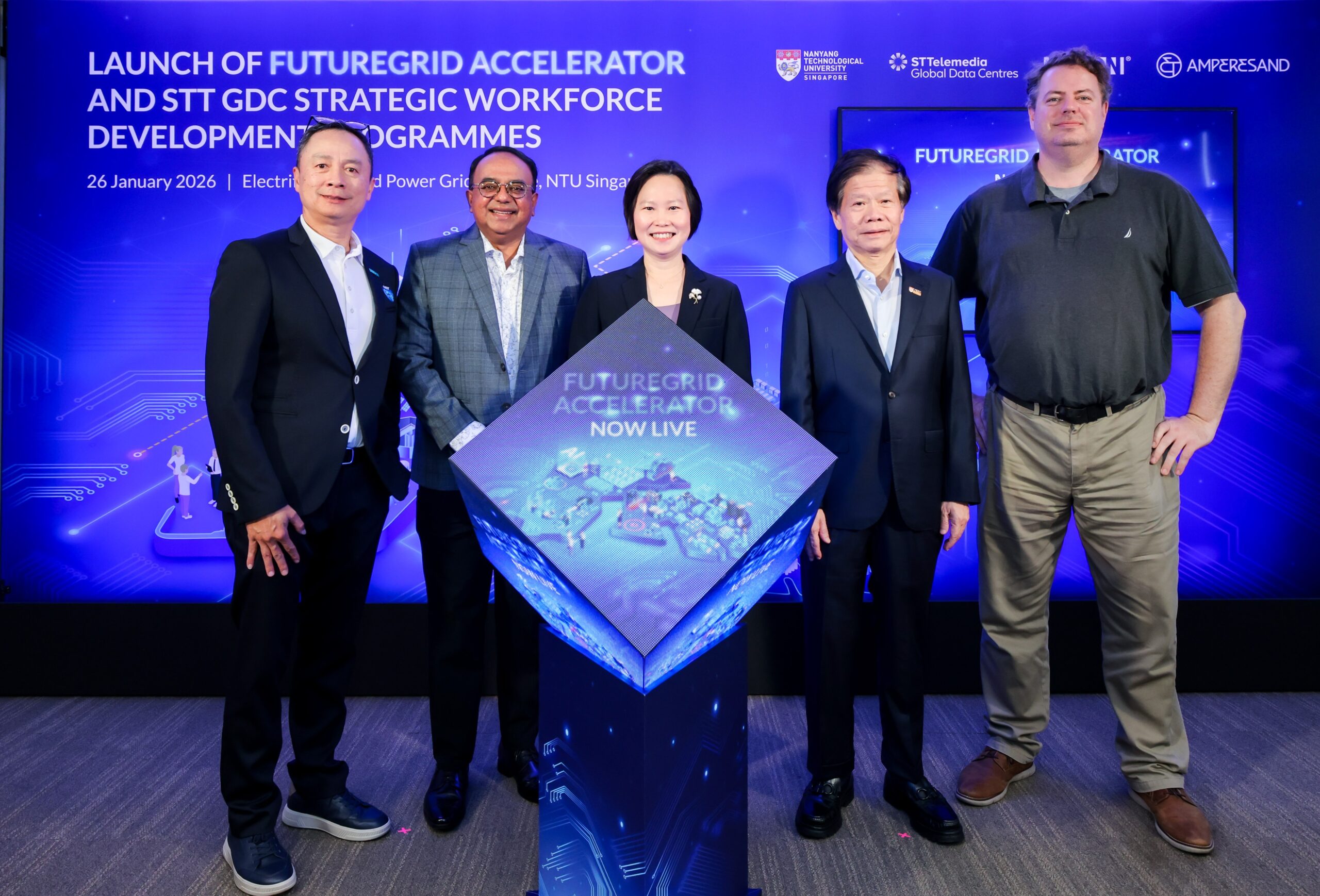
ST Telemedia pioneers next-generation AI infrastructure in Southeast Asia
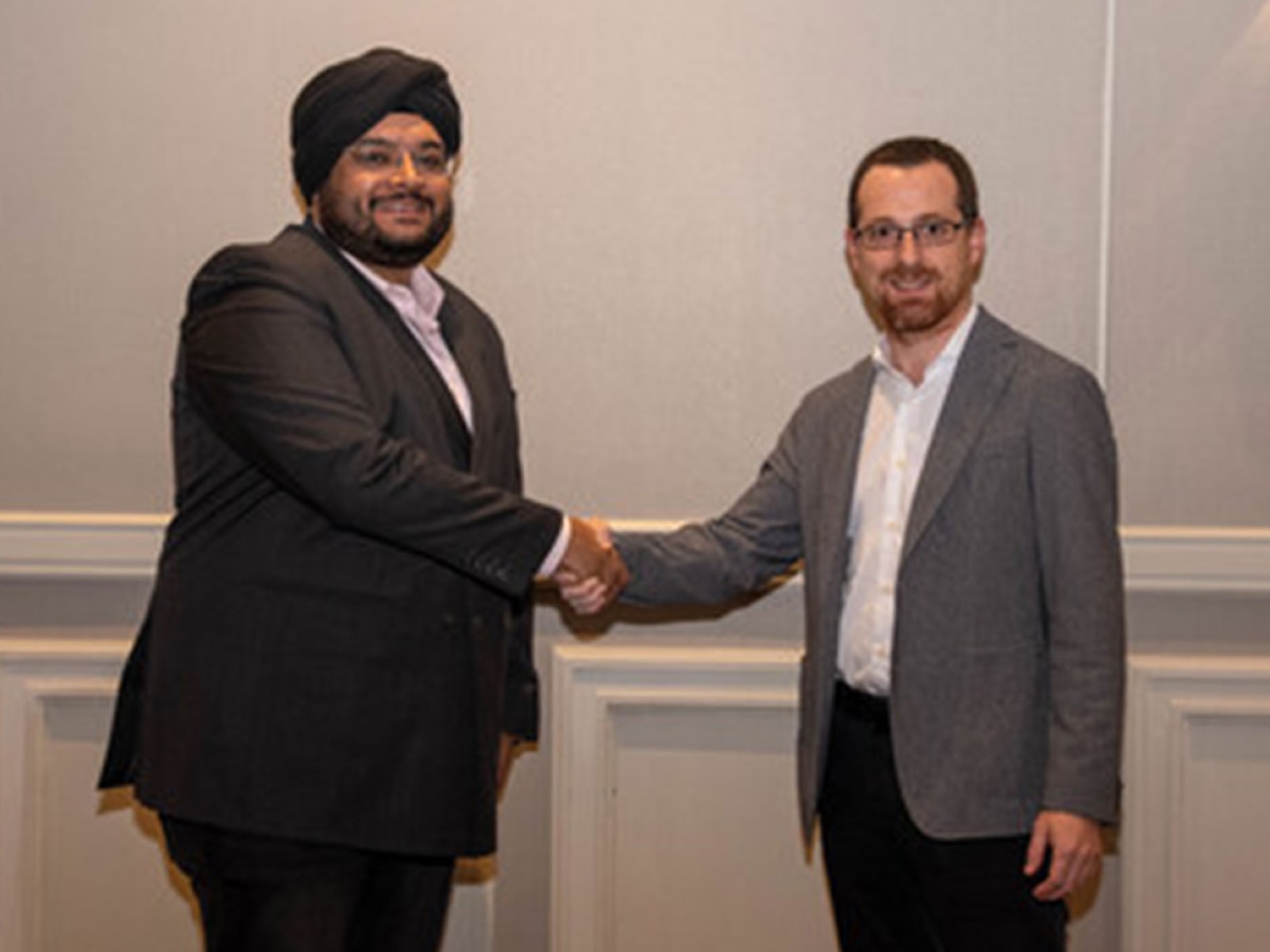
ST Telemedia Global Data Centres (STT GDC) has launched Southeast Asia’s first High Voltage Direct Current (HVDC)-powered AI infrastructure testbed, marking a major step forward in data-centre design tailored for heavy AI computing workloads. Alongside the launch, STT GDC signed memoranda of understanding (MOUs) with local research and training institutes to strengthen skills development and applied research in AI infrastructure.
The initiative positions ST Telemedia at the forefront of infrastructure-level innovation as AI models demand unprecedented power density, efficiency, and reliability. It also underscores Southeast Asia’s ambition to support advanced AI development with purpose-built digital infrastructure rather than incremental upgrades.
Why AI is reshaping data-centre design
AI workloads place radically different demands on data centres compared with traditional enterprise computing. Training large language models and running high-performance inference systems require dense clusters of accelerators, sustained power delivery, and advanced cooling architectures.
Conventional alternating current (AC) power systems face efficiency limits when scaled to support AI-heavy environments. Energy loss, conversion inefficiencies, and heat generation become significant constraints as power density rises. As a result, infrastructure providers are rethinking foundational design choices.
HVDC systems offer a compelling alternative. By delivering power more directly to compute equipment, HVDC reduces conversion stages, improves efficiency, and supports higher rack densities. These advantages are increasingly relevant as AI computing shifts from experimental clusters to production-scale deployments.
What the HVDC testbed enables
STT GDC’s HVDC-powered testbed is designed as a live experimentation environment rather than a static showcase. It allows technology partners, researchers, and enterprise users to test AI workloads under real operating conditions while evaluating power efficiency, stability, and scalability.
The testbed supports high-density AI racks that would be difficult to sustain using conventional power architectures. This capability enables experimentation with next-generation AI hardware configurations and cooling systems aligned with future compute requirements.
Beyond hardware, the initiative includes collaborative research and training programmes. Through MOUs with local institutes, ST Telemedia aims to develop specialised talent capable of designing, operating, and optimising AI-focused infrastructure. This addresses a critical skills gap as data-centre operations become more complex and AI-driven.
Infrastructure is becoming the AI bottleneck
Much of the AI conversation focuses on models, software, and algorithms. However, infrastructure increasingly determines what is feasible at scale. Without power-efficient, high-density data centres, AI development faces physical and economic limits.
ST Telemedia’s HVDC testbed highlights how infrastructure providers are moving upstream in the AI value chain. By enabling experimentation and standard-setting, they influence how AI systems are built and deployed.
For Southeast Asia, this shift is strategically important. The region seeks to attract AI investment and host advanced workloads. Infrastructure readiness, not just talent availability, will determine competitiveness against established AI hubs.
Implications for Southeast Asia’s AI ecosystem
In the short term, the testbed offers enterprises and researchers a platform to validate AI infrastructure concepts before committing to large-scale deployments. This reduces risk and accelerates innovation cycles.
Over the medium term, successful HVDC adoption could influence new data-centre builds across the region. As AI demand grows, efficiency gains translate directly into cost savings and sustainability benefits.
Longer term, infrastructure innovation may help Southeast Asia position itself as a credible base for AI training and deployment. Combined with skills development and research collaboration, such initiatives strengthen the region’s digital sovereignty and long-term competitiveness.
Building the foundations for AI at scale
ST Telemedia’s launch of Southeast Asia’s first HVDC-powered AI infrastructure testbed marks a significant milestone in the region’s digital evolution. By addressing power efficiency and skills development simultaneously, the initiative tackles two of AI’s most pressing challenges.
As AI workloads continue to scale, infrastructure-level innovation will shape where and how AI is built. ST Telemedia’s move demonstrates that the race for AI leadership is not only about software and models, but also about the physical systems that make them possible.