

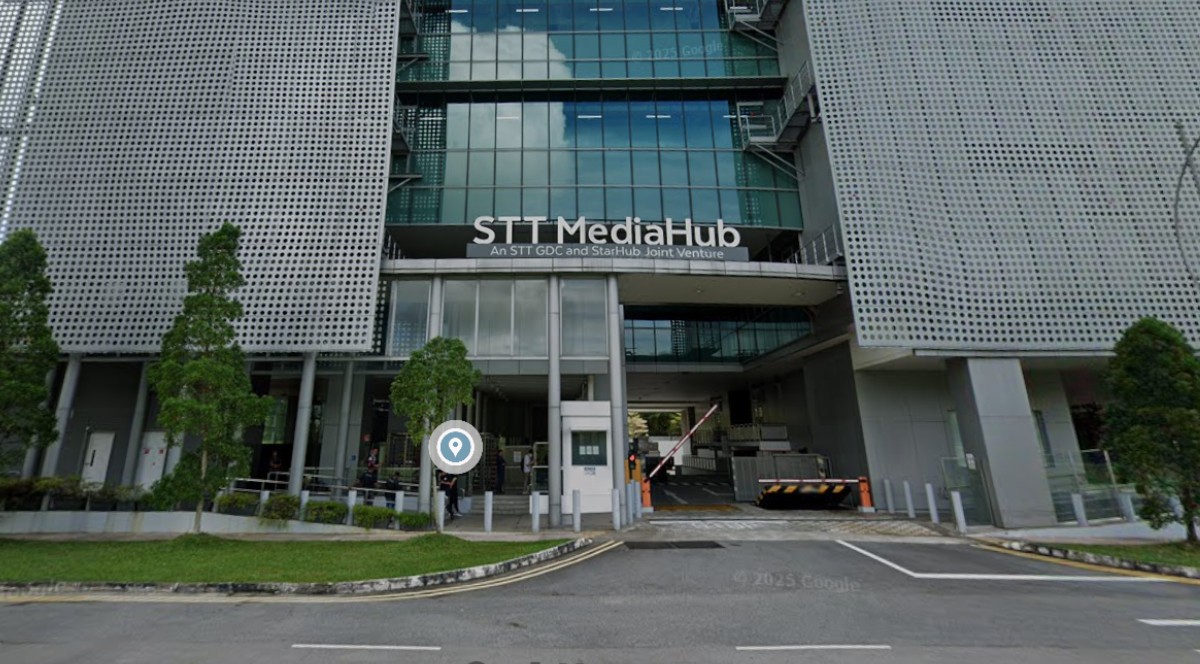
Mega data-centre deal signals sustained AI infrastructure appetite
A KKR-led consortium, alongside strategic partner Singtel, is reported to be in advanced discussions to acquire ST Telemedia Global Data Centres (STT GDC) in a transaction valued at over $10 billion. Reported between 1–2 February 2026, the potential buyout would rank among the largest data-centre deals ever completed in Asia.
The transaction highlights how data centres have become core AI-era infrastructure assets, attracting long-term global capital. As demand for cloud computing, AI training, and high-density workloads accelerates, investors are increasingly targeting scaled platforms with regional depth and operational expertise.
STT GDC’s rise as a regional data-centre heavyweight
STT GDC has built one of the most extensive data-centre portfolios in Asia, with operations spanning Singapore, India, China, Southeast Asia, Europe, and the United Kingdom. The company focuses on carrier-neutral facilities that support hyperscalers, enterprises, and digital platforms.
Over the past decade, STT GDC expanded aggressively through a mix of greenfield developments and acquisitions. This strategy allowed it to capture demand from cloud service providers and technology firms seeking reliable, scalable infrastructure close to end users.
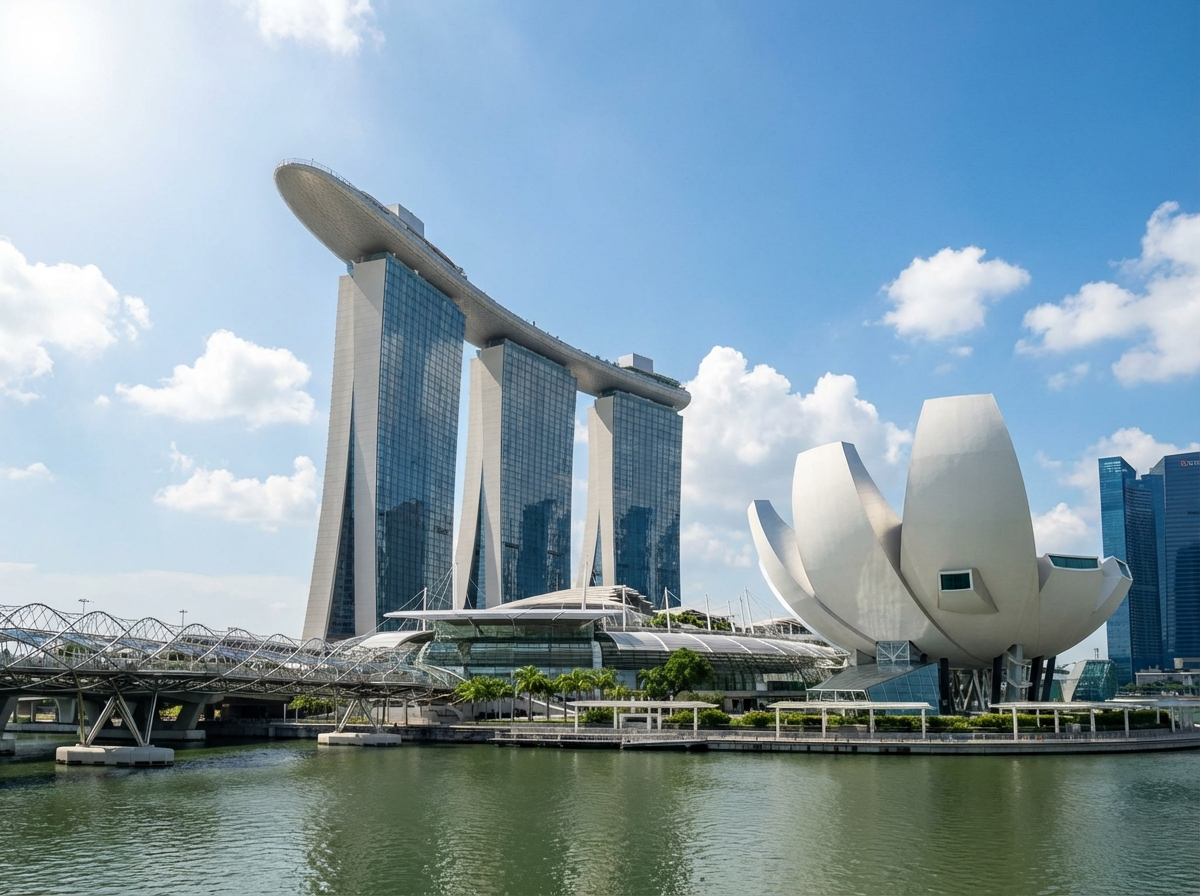
Singapore remains a critical anchor market. Its stable regulatory environment, connectivity, and role as a regional digital hub make it a preferred base for regional data-centre operators serving Asia-Pacific workloads.
Why KKR and Singtel are aligned on the deal
For KKR, the potential acquisition aligns with its long-standing strategy of investing in long-duration infrastructure assets. Data centres fit this profile well, offering predictable cash flows, strong tenant demand, and exposure to structural growth driven by AI and digitalisation.
Singtel’s involvement adds strategic depth. As a major telecom operator, Singtel brings network reach, enterprise relationships, and digital services integration. This combination strengthens the platform’s ability to serve AI-driven workloads that require tight integration between compute, storage, and connectivity.
Together, the consortium could accelerate STT GDC’s expansion while maintaining operational discipline. The partnership also signals confidence in Asia’s long-term digital demand rather than short-term market cycles.
Data centres are now financial infrastructure
The scale of the proposed transaction reflects a broader reclassification of data centres. Once viewed as real estate plays, they are now treated as financial and technological infrastructure critical to national and corporate competitiveness.
AI has accelerated this shift. Training large models and running inference at scale require dense computing environments, reliable power, and advanced cooling. Platforms that can deliver these capabilities consistently command premium valuations.
Global investors increasingly favour established operators with proven execution. In this context, STT GDC’s footprint and operational track record make it a natural target for large-scale private capital.
Expanding AI-scale capacity across Asia
If completed, the buyout could support faster deployment of AI-optimised data-centre capacity across Asia. Capital from long-term investors allows operators to build ahead of demand, rather than reacting to shortages.
This is particularly relevant in markets where permitting, power availability, and land constraints slow development. Well-capitalised platforms can navigate these challenges more effectively than smaller players.
The deal also underscores Singapore’s role as a control centre for regional digital infrastructure. While growth increasingly occurs across emerging Asian markets, strategic ownership and coordination often remain anchored in Singapore.
What this means for the sector
A transaction of this size would likely reset valuation benchmarks for large data-centre platforms in Asia. It may encourage other infrastructure funds and strategic players to pursue similar assets, intensifying competition for scaled operators.
Public markets may also take note. Strong private valuations reinforce the investment case for listed data-centre and digital infrastructure firms, particularly those aligned with AI workloads.
For hyperscalers and enterprise customers, consolidation could bring both benefits and risks. Larger platforms offer stability and scale, but customer bargaining power may evolve as ownership structures change.
Long-term capital meets long-term demand
In the near term, the deal’s progress will be closely watched by infrastructure investors and technology firms alike. Its completion would confirm that AI-driven demand remains strong enough to support multi-billion-dollar bets despite global economic uncertainty.
Over the medium term, private ownership could enable STT GDC to pursue longer investment horizons without quarterly market pressure. This may accelerate capacity build-outs and regional diversification.
Longer term, such transactions signal that AI infrastructure is entering a phase dominated by institutional capital, similar to energy, transport, and telecom networks in earlier decades.
A defining moment for Asia’s AI infrastructure landscape
The proposed $10 billion-plus buyout of STT GDC by a KKR-led consortium represents a defining moment for Asia’s digital infrastructure sector. It reflects how data centres have moved to the centre of global investment strategies as AI reshapes computing demand.
If completed, the deal would reinforce Asia’s importance in the global AI infrastructure map and underline Singapore’s role as a strategic base for long-term digital assets. More broadly, it signals that investor confidence in AI-scale infrastructure remains firmly intact.