

10 Asian airlines leading the green aviation shift

Two commercial airplanes flying at sunset with golden sky backdrop, symbolizing global air travel, tourism recovery, and aviation industry growth.
Photo by Pixabay, Pexels

Share this article :

Aviation in Asia is embracing a sustainable future. These leading airlines are investing in SAF (sustainable aviation fuel), electric aircraft pilots, and emission-reduction targets—powering a cleaner era of travel.

Image by Skytrax

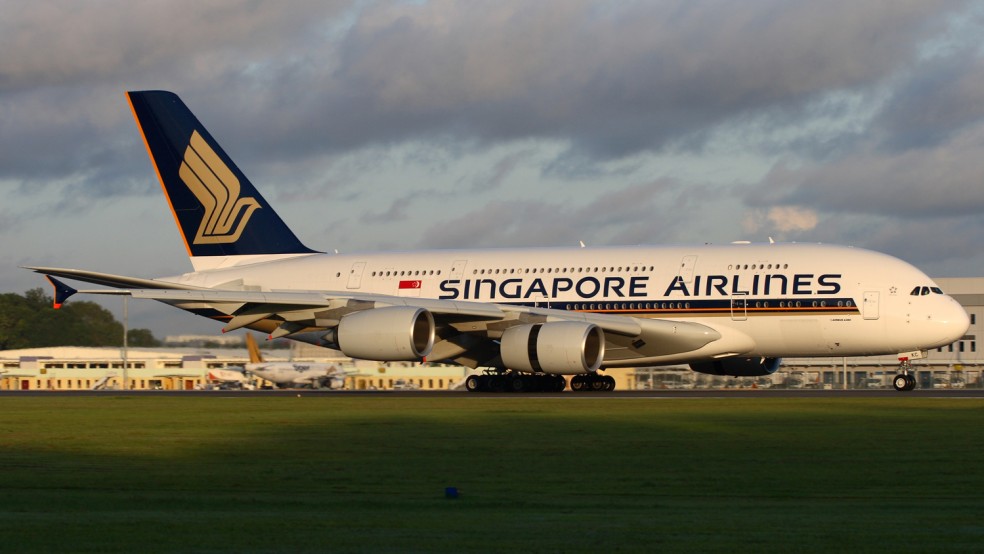
Singapore Airlines |

Founder: Government of Singapore (Temasek Holdings)

First in Asia to launch SAF credits program; $18.5B revenue (2024)

Founded in 1947, Singapore Airlines is a pioneer in green aviation in Asia. It was the first regional carrier to introduce a voluntary SAF credit program for travelers and businesses. Working closely with Neste and ExxonMobil, the airline is integrating SAF into long-haul routes and aims to cut emissions intensity by 50% by 2050. Its future fleet strategy includes high-efficiency aircraft like the A350 and Boeing 787.

Image by The Japan Times

ANA Holdings |

Founder: Government-private JV

First airline in Japan to operate commercial SAF flights; 2050 net-zero roadmap

Founded in 1952, ANA has been advancing sustainability through SAF partnerships with Japan’s ENEOS and LanzaTech. Its mid-term carbon roadmap includes 10% SAF usage by 2030 and 100% by 2050. ANA also partners with Airbus and startup ZeroAvia to explore hydrogen-electric aircraft for regional flights.

 Image by Al Jazeera

Cathay Pacific |

Founder: Roy Farrell, Sydney de Kantzow

Committed to using 10% SAF by 2030; major partner with Fulcrum BioEnergy

Founded in 1946, Cathay Pacific is a leader in Asia’s SAF development ecosystem. The airline made its first SAF investment in 2014 and remains a key partner with Fulcrum BioEnergy to scale biofuel production from municipal waste. It has introduced carbon-offset programs and now blends SAF on select long-haul routes.

Image by JAPAN AIRLINES

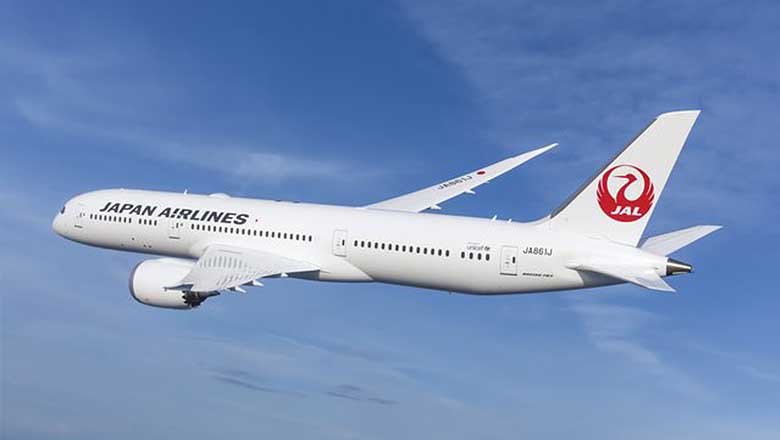
Japan Airlines (JAL) |

Founder: Government of Japan

First Asian carrier to use domestically produced SAF in 2023

Founded in 1951, JAL is pioneering closed-loop SAF sourcing in Japan through a partnership with Japan Petroleum Exploration. It launched Asia’s first domestic commercial flight using locally produced SAF from waste cooking oil. JAL’s long-term roadmap targets a 90% emissions reduction by 2050.

 Image by Business Traveller

IndiGo |

Founder: Rahul Bhatia, Rakesh Gangwal

Largest A320neo fleet in Asia; over 20% lower CO2 per seat

Founded in 2006, IndiGo leads low-cost carriers in fuel efficiency. It operates the largest fleet of A320neo aircraft in Asia, known for 20% lower carbon emissions than older models. IndiGo is investing in AI-driven fuel tracking and has pledged to introduce SAF blends by 2025, partnering with Praj Industries and IndianOil.

Image by ExpatGo

AirAsia |

Founder: Tony Fernandes, Kamarudin Meranun

Digital fuel optimization tools cut emissions by 10% per flight

Founded in 1993, AirAsia is integrating green tech across operations—from predictive fuel analytics to lighter cabin materials. It signed SAF trial agreements in 2024 with Malaysia Airports and is part of the AirAsia MOVE platform to offer carbon-offset flight bookings. It plans to gradually integrate SAF across ASEAN routes.

Image by Skytrax

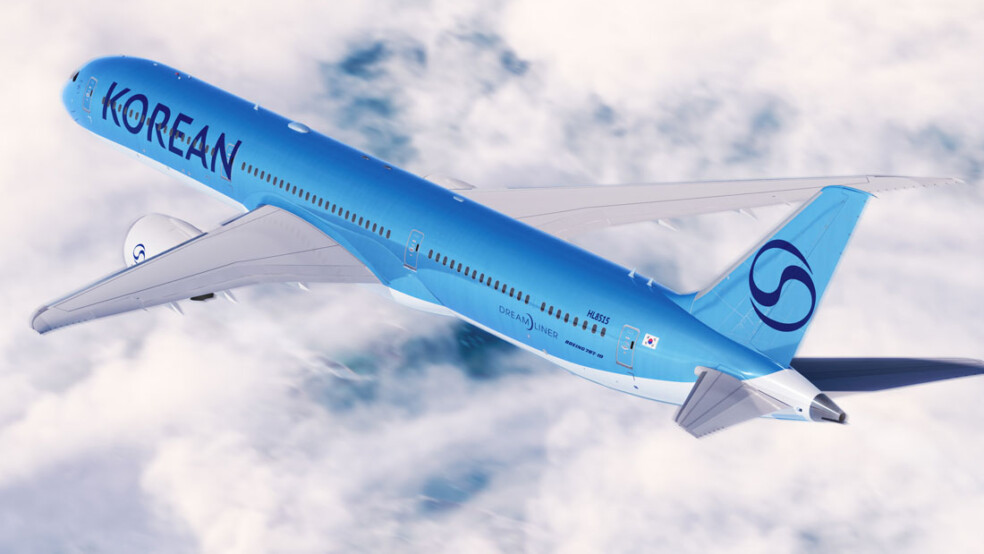
Korean Air |

Founder: Cho Choong-hoon

First in Korea to launch SAF-blended flights on US routes (2022)

Founded in 1962, Korean Air has worked with Shell and Incheon Airport to enable SAF access at its hubs. Its ESG roadmap includes a full fleet transition to next-gen aircraft like the Boeing 787 and 777X, alongside cargo-focused CO2 mitigation projects and offset packages.

Image by Berita Harian

Image by Skytrax

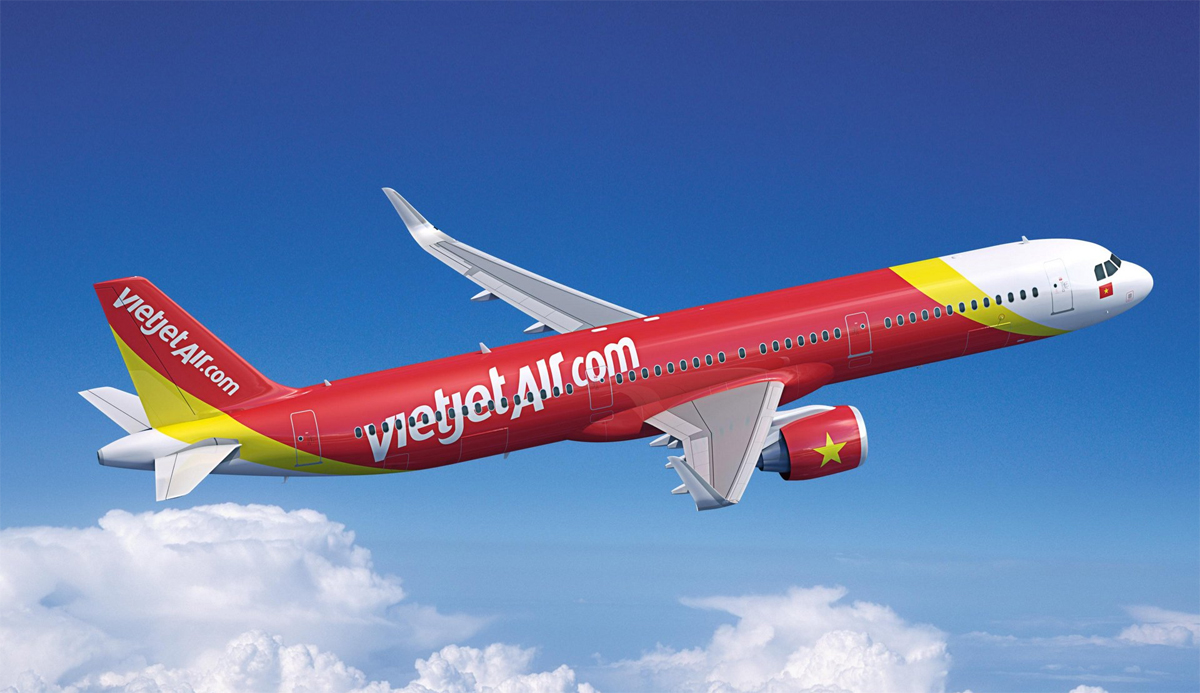
VietJet Air |

Founder: Nguyen Thi Phuong Thao

Piloted SAF use via Airbus partnership; 45% of fleet now A321neo

Founded in 2007, VietJet is Southeast Asia’s fastest-growing low-cost airline and is scaling greener aircraft adoption. It works with Airbus to test SAF feasibility in A321neo engines and has reduced average fleet emissions through newer deliveries and leaner flight operations.

Image by Aviation A2Z

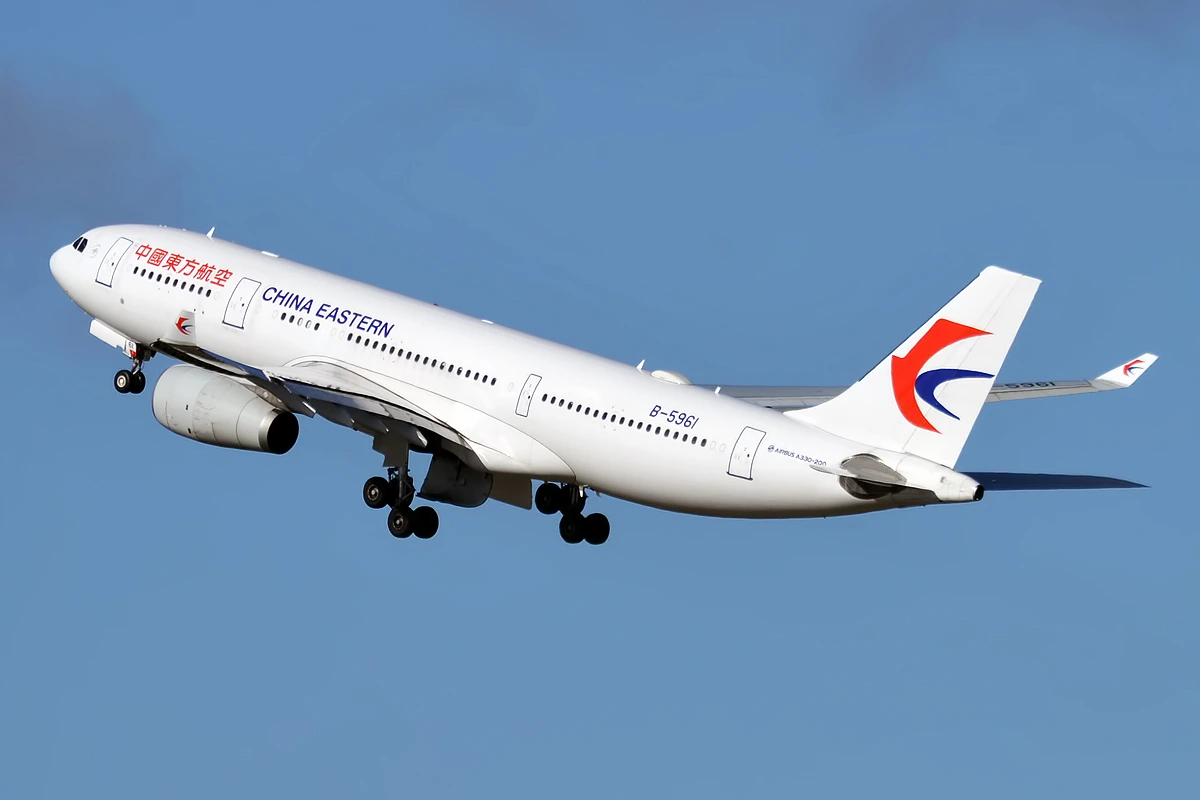
China Eastern Airlines |

Founder: Government of China

Launched China’s first large-scale SAF commercial flight in 2023

Founded in 1988, China Eastern has emerged as a sustainability leader among China’s state carriers. In 2023, it flew from Shanghai to Beijing using domestically produced SAF made from waste oil and fats. It has committed to increasing SAF procurement and is investing in fleet renewal.

Image by Embraer

Bamboo Airways |

Founder: Trinh Van Quyet

Committed to net-zero by 2050; testing carbon credit pilot with EU partners

Founded in 2017, Bamboo Airways is investing in green aviation from an early stage. It has entered partnerships with Airbus and SAF producers to plan its first blended-fuel routes. Bamboo is also working on a digital carbon reporting framework for international bookings.

These 10 airlines are leading Asia’s shift toward sustainable aviation. Through SAF programs, smarter aircraft, and bold carbon goals, they represent a cleaner future for cross-border air travel. As regulatory and passenger pressure grows, these pioneers are positioning Asia at the forefront of global green aviation.

Discover more inspiring journeys on Feature.Asia: 10 Entrepreneurs Under 30 Changing Asia’s Economy

Share this article :

Other Articles

Other Features

Nisa Leung's strategic investments have revolutionized China's healthcare landscape, fostering innovation and accessibility....
Imagine transforming a modest gaming platform into Southeast Asia’s most influential tech empire...
India’s under-16 women’s basketball team won the FIBA Asia Cup Division B in Malaysia with a 67–66 victory over Iran,...
Generic selectors
Exact matches only
Search in title
Search in content
Post Type Selectors