



Augmented Human Intelligence redefines human–AI collaboration
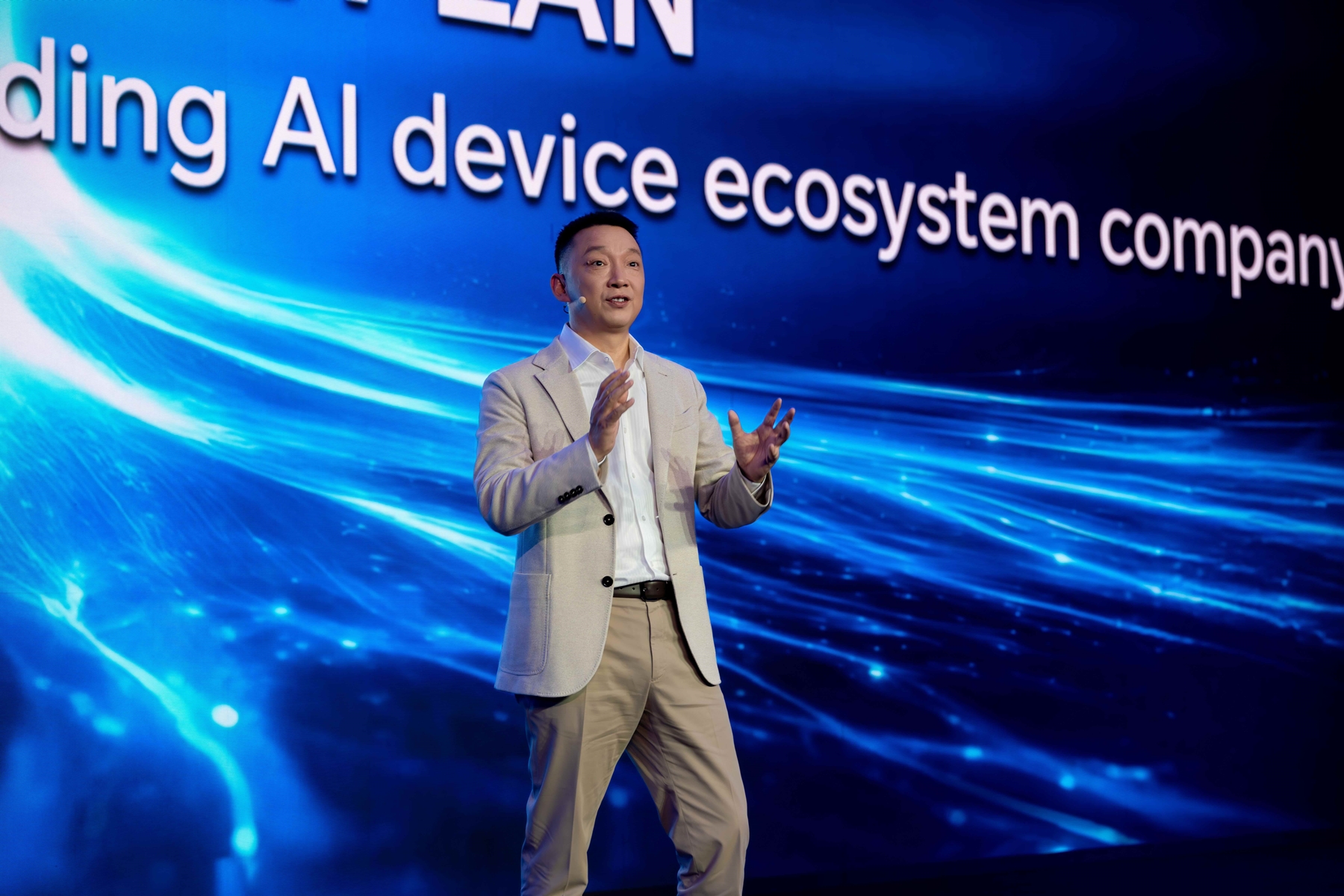
At MWC, Honor’s CEO introduced the company’s Augmented Human Intelligence (AHI) strategy, positioning it as a next-generation framework for AI-enabled devices and services. The AHI approach aims to combine cognitive intelligence with emotional awareness, creating AI systems that enhance rather than replace human decision-making.
The Augmented Human Intelligence strategy signals a broader shift in AI product philosophy. Instead of focusing solely on computational power or automation, technology firms are exploring how AI can interpret human intent, emotion and context to deliver more intuitive experiences.
AI evolution moves beyond pure computation
Artificial intelligence development has historically prioritised data processing, prediction and automation. However, recent advances in generative AI and multimodal models have expanded AI’s ability to understand language, imagery and behavioural signals.
Chinese technology firms have actively invested in AI-enabled hardware ecosystems, integrating intelligent assistants into smartphones, wearables and connected devices. Honor, formerly part of Huawei’s ecosystem, has expanded globally as an independent consumer electronics brand.
Meanwhile, China’s Ministry of Industry and Information Technology (MIIT) has encouraged AI-driven innovation within consumer and industrial technology sectors.
Consequently, device manufacturers are increasingly positioning AI not merely as a feature but as a foundational design principle.
The Augmented Human Intelligence strategy reflects this broader industry evolution.
Cognitive intelligence meets emotional awareness
The Augmented Human Intelligence strategy centres on two integrated pillars: cognitive intelligence and emotional understanding.
First, cognitive intelligence refers to AI systems capable of advanced reasoning, contextual interpretation and predictive assistance. These capabilities enable devices to anticipate user needs and provide proactive recommendations.
Second, emotional awareness involves analysing tone, behavioural signals and situational context to adapt responses accordingly. By interpreting subtle cues, AI systems can tailor interactions more sensitively.
Moreover, integrating these elements within device ecosystems may improve user trust and engagement.
For example, AI-powered smartphones could adjust notifications based on user workload patterns or emotional state.
Additionally, wearable devices may integrate health metrics with contextual AI to offer personalised wellness guidance.
Importantly, the Augmented Human Intelligence strategy emphasises collaboration rather than substitution.
Thus, AI becomes an assistive layer enhancing human productivity and creativity.
Tech giants refine AI experience models
Global technology companies are competing to define the next wave of AI-human interaction.
Major device makers across Asia and North America are embedding generative AI into operating systems and hardware.
Consequently, differentiation increasingly depends on user experience design rather than raw processing capability.
Asia’s consumer technology market remains highly competitive, particularly in smartphones and wearables.
Therefore, thought leadership strategies such as Augmented Human Intelligence serve to shape brand identity.
Moreover, enterprises increasingly evaluate AI not only for automation but also for user-centric value creation.
However, integrating emotional intelligence into devices introduces privacy and ethical considerations.
Hence, transparent data governance frameworks will be critical to maintain consumer trust.
Human-centric AI as strategic positioning
The Augmented Human Intelligence strategy reflects a subtle but significant reframing of AI narratives.
By emphasising augmentation, Honor aligns its messaging with collaborative innovation rather than disruptive replacement.
This framing may resonate strongly in Asian markets where human–technology harmony remains culturally valued.
Furthermore, emotional intelligence integration highlights a maturing AI discourse.
Instead of showcasing computational dominance, companies now emphasise contextual empathy and responsible design.
However, translating strategic vision into tangible product differentiation will require careful implementation.
Consequently, user interface design, hardware optimisation and ecosystem partnerships must align closely.
Ultimately, the Augmented Human Intelligence strategy functions as both technological roadmap and brand philosophy.
From concept to integrated ecosystem
In the near term, Honor is expected to embed AHI principles into flagship smartphone releases and wearable products.
Over the medium term, ecosystem integration across laptops, tablets and smart home devices may reinforce cross-device intelligence.
Additionally, AI models tailored for multilingual Asian markets could enhance regional competitiveness.
Furthermore, collaboration with software developers may expand application-level innovation.
Looking ahead, AI-driven user interfaces may evolve toward adaptive and anticipatory systems.
Consequently, device ecosystems may transition from reactive tools to proactive companions.
As consumer expectations shift toward seamless digital experiences, Augmented Human Intelligence could influence broader industry standards.
Strategic vision shapes AI user experience future
Honor’s unveiling of its Augmented Human Intelligence strategy at MWC highlights a strategic pivot toward human-centric AI design. By combining cognitive reasoning with emotional awareness, the framework redefines how devices interact with users.
As AI capabilities expand across Asia’s technology ecosystem, companies that balance technical innovation with empathetic design may shape the next phase of digital experience evolution.