


A regional conference spotlights the next wave of deep tech
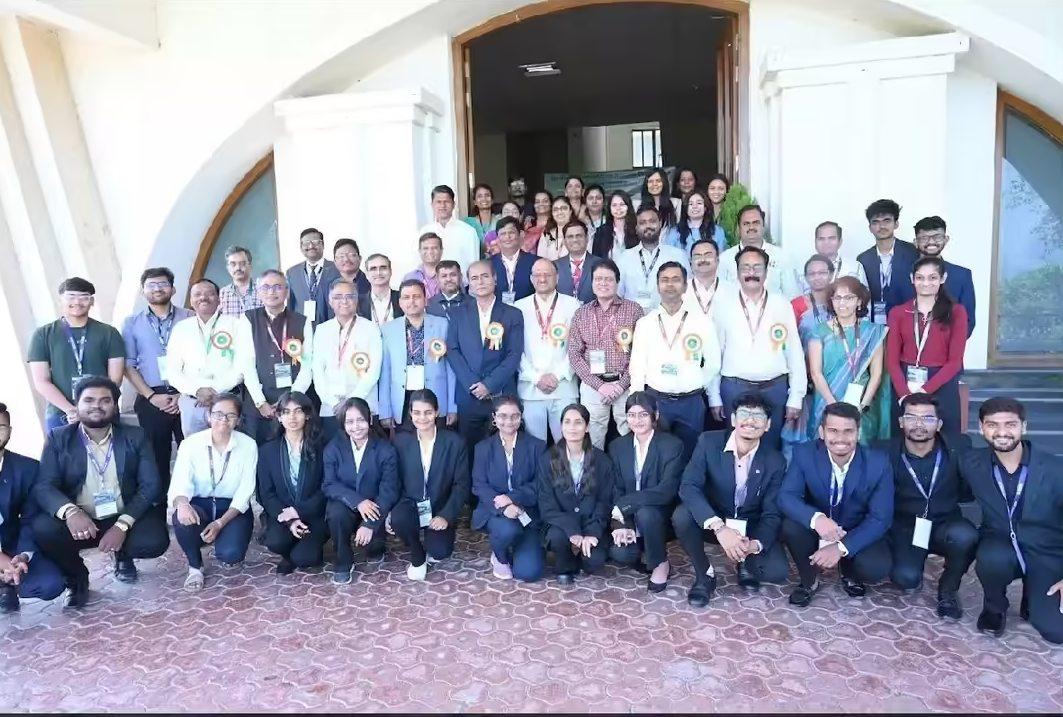
GCWCN 2025 brought researchers, engineers, and industry leaders to a shared stage in late November, highlighting how Asia’s innovation agenda is becoming more cross-disciplinary and more applied. Held on 22–23 November 2025 in Lonavala, India, the Global Conference on Wireless, Computing & Networking ran in hybrid format and centered on four fronts that now define the region’s frontier stack: AI, quantum computing, IoT, and healthcare engineering. The result was not a set of isolated tracks, but a single innovation narrative where these domains repeatedly intersected. That convergence matters. It shows Asia is moving from technology adoption toward technology co-creation, with researchers aiming to solve real operational problems in health systems, industry, and digital infrastructure.
From wireless roots to a broader intelligent-systems platform
GCWCN began as a forum anchored in wireless, computing, and networking research. Over time, its scope expanded as next-generation systems became more integrated and more data-driven. By 2025, the conference has evolved into a wider platform for intelligent systems and emerging engineering, drawing participants from many countries and academic ecosystems. The hybrid setup this year reinforced that global reach, allowing lab teams and practitioners to share work even if they were not on site.
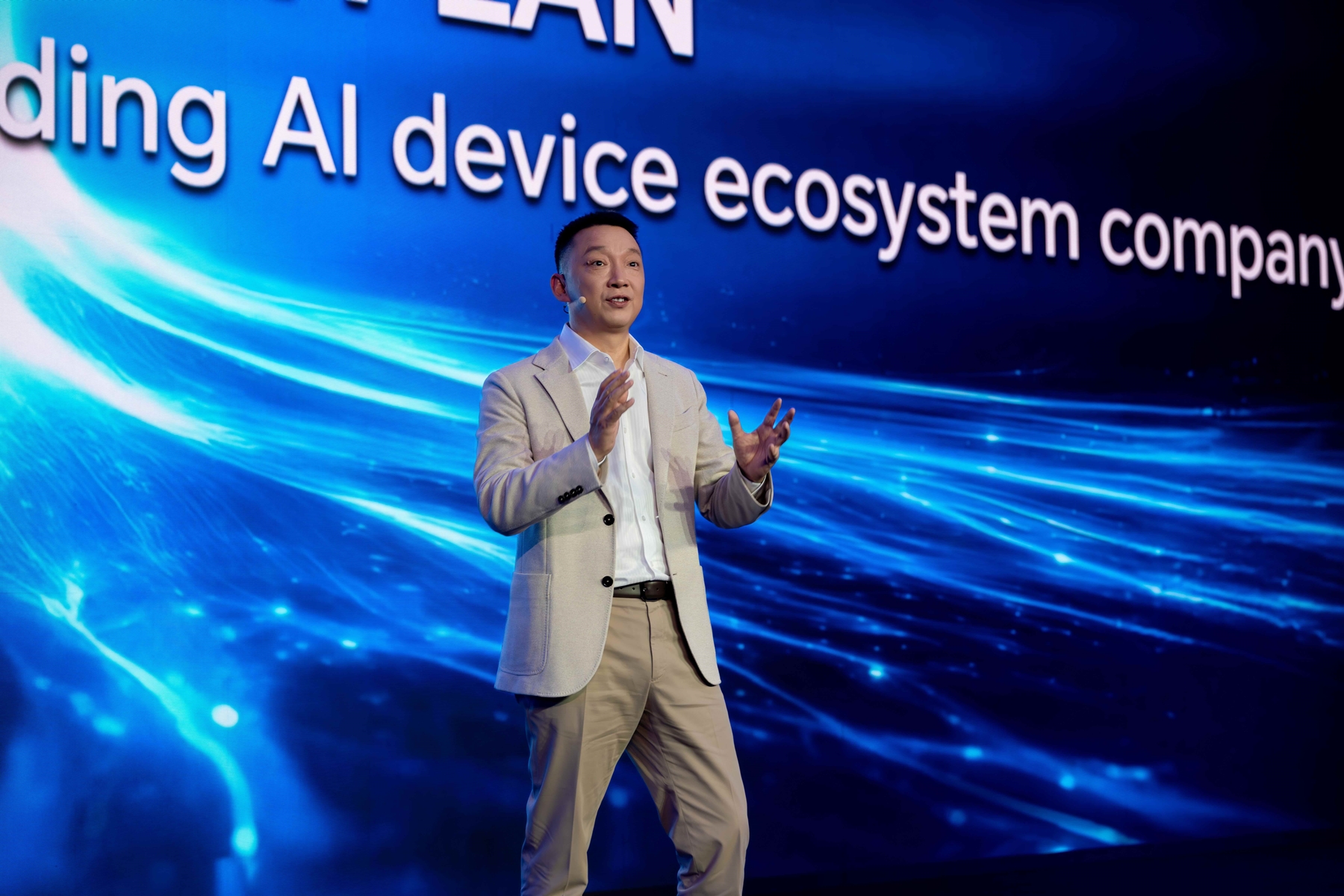
What made GCWCN 2025 notable was its timing. Asia is investing heavily in deep tech capacity, yet the field still faces fragmentation. AI researchers often work apart from quantum teams. IoT engineers rarely share rooms with clinical innovators. GCWCN’s structure pushed against that siloing. Sessions repeatedly tied advanced computation to sensing, and sensing to care outcomes. The conference’s keynote design helped frame that mission, with talks aimed at linking system reliability, enterprise AI design, and real-world deployment discipline.
What the innovation showcase revealed
Across the two days, the showcase underscored a clear theme: Asia’s next breakthroughs will come from combining domains rather than polishing one in isolation. AI sessions focused not only on model performance but on practical trust, such as bias control, explainability, and low-resource deployment. Several research teams presented approaches for smaller, task-specific models that can run closer to the edge, which is crucial in markets where compute and connectivity remain uneven. The work reflected a practical direction for Asia, where solutions often need to operate in constrained settings, not just in cloud labs.
Quantum computing discussions carried a similar applied tone. Researchers highlighted progress in quantum-assisted optimisation and secure communications, with emphasis on near-term problem classes rather than distant universal quantum claims. The strongest thread was pairing quantum methods with AI pipelines to reduce training time or search spaces for complex industrial and medical tasks. The takeaway was steady realism. Asia’s quantum community is looking for credible, staged advantage, not hype.
IoT work sat at the bridge of the conference. Many presentations explored sensor networks designed for high-density environments, from smart factories to public infrastructure. Teams discussed power-efficient edge nodes, secure device identity, and multi-sensor fusion for predictive maintenance. Several projects connected these systems directly to AI inference, showing how real-time data can trigger local decisions without a full cloud round-trip. That edge-first logic fits Asia’s industrial map, where manufacturing clusters and port cities want automation that is reliable even under bandwidth stress.
Healthcare engineering was where the conference’s cross-disciplinary goal became most visible. Researchers showcased AI-assisted diagnostics, wearable monitoring, and hospital workflow tools, built with sensitivity to privacy and clinical safety. A consistent focus was early detection and remote care, two areas that Asia’s ageing populations and uneven specialist access make urgent. Several studies also explored how IoT sensors and AI triage systems can support community-level care without requiring major hospital expansion. The healthcare track therefore felt less like a niche domain and more like a proving ground for how AI and IoT can deliver measurable public value.
Why convergence now defines Asia’s innovation identity
GCWCN 2025 reflects a broader regional shift. Asia’s deep-tech push is no longer about catching up to global innovation centers. It is about building systems that match Asia’s specific scale and complexity. The region has mega-cities, fast-growing industrial corridors, and health systems under pressure. These realities demand blended solutions. AI alone will not fix care access without sensors and edge infrastructure. Quantum research will stay academic without near-term use cases tied to optimisation or security. IoT will remain hardware plumbing unless paired with dependable intelligence. GCWCN’s showcase made that interdependence explicit.
This also points to a maturity curve in Asia’s research ecosystem. Funding and policy across several Asian markets are now geared toward mission-driven output. That pushes labs to test their ideas in deployment settings, not only in papers. Conferences like GCWCN act as marketplaces for those ideas. They help researchers find industry partners, and they help enterprises spot emerging approaches before they become mainstream.
The conference also hinted at a talent shift. Younger teams are training across multiple domains, such as AI with embedded engineering or computational science with clinical context. These hybrid skill sets are still scarce worldwide. Asia producing more of them could become an advantage in the next decade of tech competition.
From showcase to sustained regional pipelines
The success of GCWCN 2025 suggests that Asia’s deep-tech future will rely on more integrated pipelines. Expect more joint projects between AI labs and healthcare providers, more edge-AI partnerships with manufacturing clusters, and more quantum-AI collaborations for security and industrial planning. The regional challenge is scale. Showcased prototypes need sustained funding, test beds, and regulatory clarity to move into real systems. If those ingredients align, Asia will not only deploy imported models. It will export new ones shaped by its own environments.
GCWCN’s hybrid format also sets a useful precedent. Cross-border collaboration is essential for deep tech, and hybrid conferences lower the participation barrier for smaller labs and early founders. If the series continues to grow, it can become a steady annual node where Asia’s cross-disciplinary breakthroughs are not just presented but accelerated.
A snapshot of where Asia’s deep-tech story is heading
GCWCN 2025 offered a clear view of Asia’s innovation direction. The most compelling work sat at intersections, linking AI, quantum methods, IoT systems, and healthcare engineering into practical solutions. That convergence is not a conference theme alone. It is the region’s emerging innovation identity. As Asia moves deeper into sovereign compute, industrial AI, and health resilience, forums like GCWCN help translate research into regional capability. The conference did not simply showcase breakthroughs. It mapped the way they will be built next.