




Huawei Triple-Engine Agentic Core targets AI-native telecom era
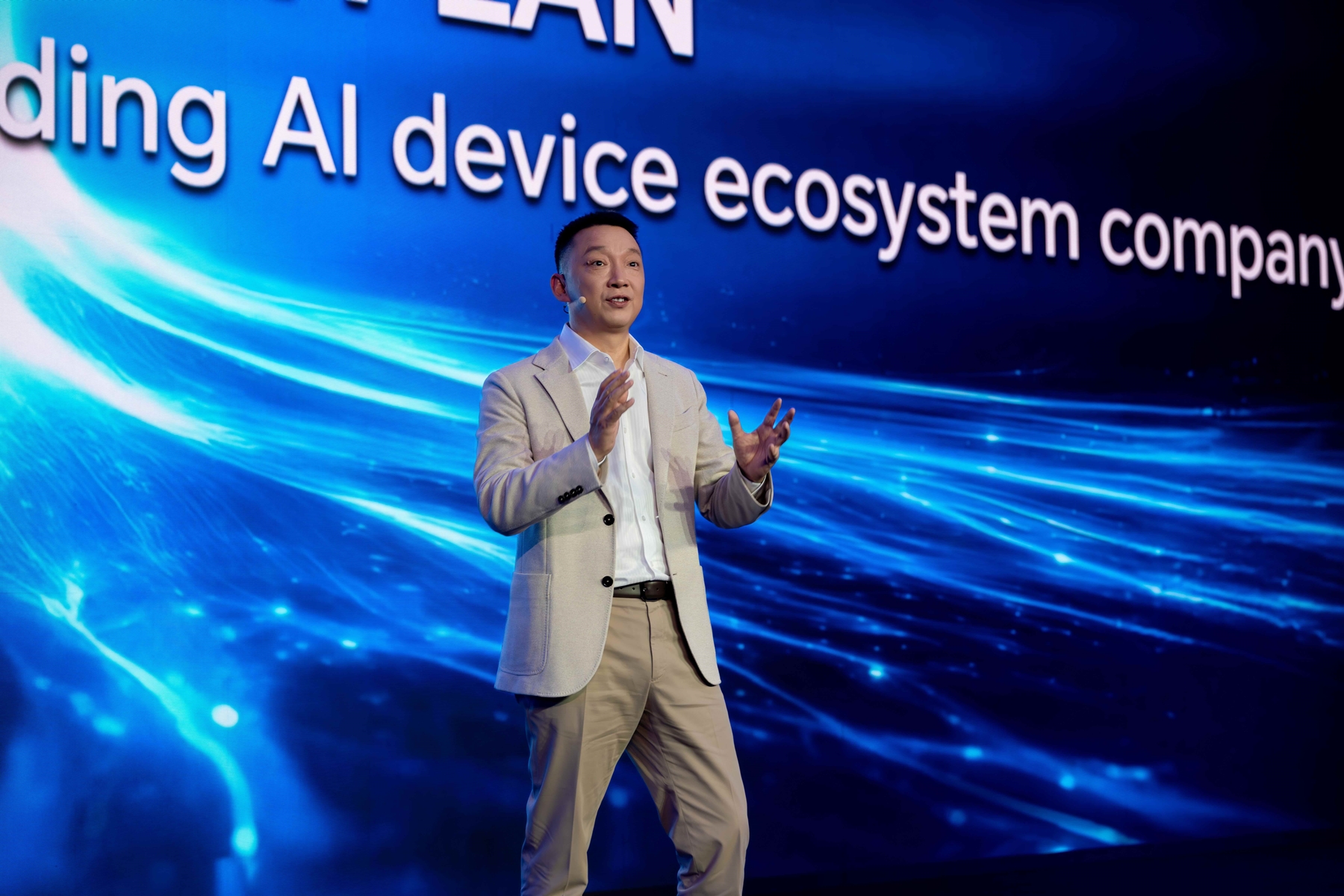
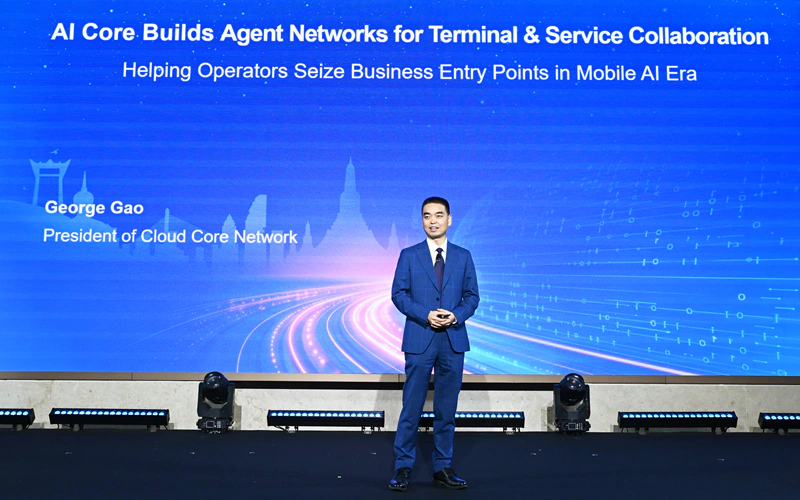
Huawei unveiled its Triple-Engine Agentic Core architecture at MWC26, positioning it as a foundation for AI-centric 5G and computing networks. The new framework aims to integrate autonomous intelligence directly into telecom infrastructure, enabling enterprise-grade AI applications at scale.
The Huawei Triple-Engine Agentic Core reflects a strategic pivot toward AI-native networking. As enterprises demand real-time data processing and autonomous system management, telecom infrastructure providers are embedding advanced intelligence into core network layers rather than relying solely on cloud overlays.
Telecom networks evolve toward AI integration
Global telecom operators are transitioning from traditional connectivity models toward intelligent, software-defined infrastructures. The rise of generative AI, edge computing and industrial automation has accelerated this transformation.
Huawei, one of China’s largest telecommunications equipment manufacturers, has played a central role in 5G deployment across Asia, Europe and emerging markets. Meanwhile, policy bodies such as China’s Ministry of Industry and Information Technology have prioritised next-generation digital infrastructure under national innovation roadmaps.
Consequently, telecom networks increasingly serve as AI platforms rather than simple data transmission channels.
MWC26 provided a global stage for vendors to showcase AI-driven networking innovations. Therefore, Huawei’s introduction of the Triple-Engine Agentic Core aligns with broader industry direction.
Three engines driving network intelligence
The Huawei Triple-Engine Agentic Core architecture is structured around three interconnected intelligence engines: cognitive processing, adaptive orchestration and autonomous optimisation.
First, the cognitive engine integrates AI reasoning models to interpret network behaviour in real time. This allows predictive diagnostics and anomaly detection across enterprise systems.
Second, the orchestration engine coordinates distributed computing resources. By dynamically allocating workloads between edge and central nodes, it enhances performance and latency control.
Third, the optimisation engine automates continuous system tuning. It leverages machine learning feedback loops to improve efficiency and reduce downtime.
Moreover, the architecture supports AI-powered enterprise use cases such as smart manufacturing, digital healthcare and autonomous logistics.
Additionally, integration with 5G infrastructure enables low-latency communication essential for mission-critical applications.
Importantly, embedding intelligence within the network core reduces dependence on external cloud layers.
Thus, the Huawei Triple-Engine Agentic Core aims to redefine telecom networks as intelligent execution environments.
Infrastructure vendors compete on AI integration
Telecom equipment providers worldwide are racing to integrate AI capabilities into next-generation networks. Vendors increasingly differentiate through software ecosystems and edge intelligence rather than hardware alone.
The global shift toward AI-driven enterprise systems intensifies competition among infrastructure players.
Consequently, innovation speed and ecosystem partnerships determine market leadership.
Huawei’s AI-centric networking strategy positions it within this competitive landscape.
However, geopolitical dynamics continue to influence telecom procurement decisions across multiple markets.
Nevertheless, AI integration remains a priority for operators seeking operational efficiency and new revenue streams.
Therefore, network intelligence capabilities may become decisive procurement criteria.
Agentic architecture signals automation maturity
The Huawei Triple-Engine Agentic Core highlights how telecom automation has progressed beyond basic software-defined networking.
Agentic systems emphasise autonomy. Networks no longer simply execute instructions; they analyse, decide and optimise continuously.
Furthermore, enterprise customers increasingly expect infrastructure that supports AI workloads without manual configuration complexity.
Embedding intelligence within network cores reduces operational friction.
However, managing autonomous systems introduces governance considerations.
Therefore, transparency, security and auditability will influence enterprise adoption decisions.
Ultimately, Huawei’s strategy reflects a broader industry shift toward intelligent infrastructure as foundational digital architecture.
AI-native networks reshape enterprise operations
In the near term, telecom operators may pilot the Huawei Triple-Engine Agentic Core in enterprise-focused deployments.
Over the medium term, AI-native networks could expand into smart city infrastructure and industrial campuses.
Additionally, partnerships with cloud providers and enterprise software firms may deepen integration.
Furthermore, demand for low-latency AI processing will accelerate edge computing expansion.
Looking ahead, AI-driven networks may reduce operational costs while enabling new service models.
Consequently, the boundary between telecom infrastructure and AI platform services may continue to blur.
As enterprises digitise core processes, intelligent network architecture will underpin scalable transformation strategies.
Huawei reinforces AI-first telecom vision
Huawei’s introduction of the Triple-Engine Agentic Core at MWC26 signals a decisive step toward AI-native networking infrastructure. By embedding cognitive, orchestration and optimisation engines directly into telecom architecture, the company aims to align connectivity with intelligent automation.
As AI adoption accelerates globally, infrastructure innovation will determine competitive advantage. The Huawei Triple-Engine Agentic Core positions the company within the next phase of telecom evolution, where networks become autonomous digital platforms rather than passive data channels.