





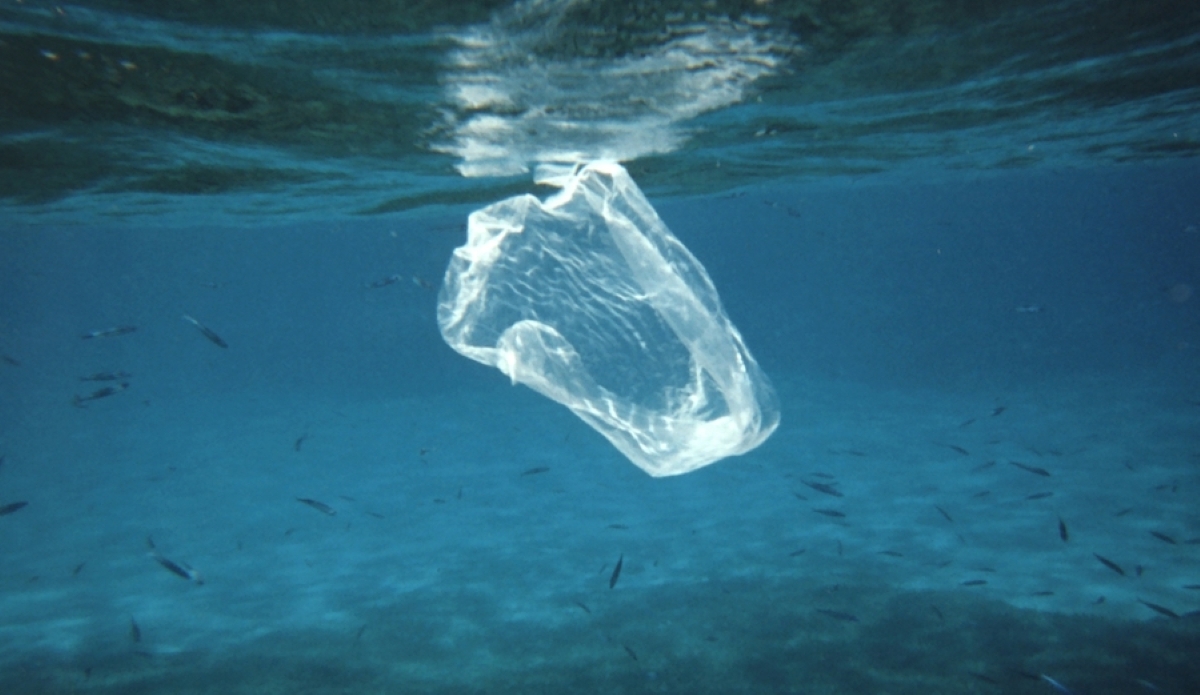
Breakthrough innovation in marine-friendly plastics
Japanese scientists have created a groundbreaking plastic that dissolves in seawater within hours—a major leap in the global effort to reduce ocean pollution. Developed by researchers at RIKEN and the University of Tokyo, this new material degrades quickly in marine environments without leaving harmful residues. The discovery offers hope for protecting marine life and reinforces Japan’s leadership in sustainability-focused science.
Background: Addressing the plastic crisis through innovation
Plastic waste is one of the world’s most urgent environmental threats. Around 11 million metric tons of plastic enter the ocean each year, harming over 700 species. Most traditional plastics are petroleum-based and can take centuries to decompose, often turning into microplastics that enter the food chain and endanger both wildlife and humans.
In response, Japan’s top research institutions made ocean-safe plastics a national priority. RIKEN and the University of Tokyo worked together for five years to develop a polymer that is strong in daily use but dissolves harmlessly when exposed to saltwater. Their efforts aim to reduce the damage caused by single-use plastics.
Japan’s urgency is also political. As an island nation and member of the G7 Oceans Initiative, Japan has committed to ending marine plastic pollution by 2050. This invention moves the country closer to that goal.
Market impact: Transforming packaging and shipping industries
This seawater-soluble plastic has wide potential. It’s especially suited for products that often end up in the ocean, such as food wrappers, fishing nets, delivery packaging, and plastic utensils.
The material fully dissolves in seawater within 24 hours, regardless of temperature or salinity. Unlike many so-called biodegradable plastics, this one does not require industrial composting and leaves no microplastic residue.
Major Japanese shipping companies, including NYK Line and Mitsui O.S.K. Lines, are considering using it for onboard materials. Meanwhile, eco-friendly retailers in Asia and Europe are exploring it as a replacement for traditional packaging, especially in response to new environmental regulations and changing customer expectations.
Southeast Asian countries—often cited as high contributors to ocean plastic—stand to benefit significantly. With government support, these nations could import or co-develop the technology and build local manufacturing hubs to promote regional sustainability.
Editorial insight: Asia’s leadership in sustainable materials
This innovation marks a turning point in green tech leadership. While most environmental innovations once came from Europe and North America, Asia—particularly Japan, South Korea, and China—is now driving global progress in sustainable materials.
Japan’s success highlights its “deep science” approach: long-term research with real-world applications. Instead of relying on marketing claims or carbon offsets, this method delivers tangible change.
Notably, the new plastic doesn’t sacrifice performance. Tests show it matches the strength and flexibility of common plastics like polyethylene. This balance of function and biodegradability makes it viable for large-scale use in consumer and industrial products. It also opens the door for global policy shifts toward safer, eco-friendly packaging standards.
Future outlook: From lab success to global adoption
Next comes scaling. RIKEN and the University of Tokyo are working with private manufacturers to bring the product to market by late 2026. Trials will launch in coastal cities, fishing zones, and tourist areas across Japan.
At the same time, researchers are developing related materials that dissolve in freshwater and landfill environments. These new versions could help solve the broader plastic waste problem across land and sea.
The broader vision is to support a circular economy while advancing the United Nations Sustainable Development Goals (SDGs)—particularly SDG 14: Life Below Water. This technology has the potential to change how the world thinks about plastic and waste management.
Cross-border cooperation, global regulation, and strong industry partnerships will be crucial to scaling its impact.
Conclusion: Turning the tide with science and strategy
Japan’s seawater-soluble plastic is more than an innovation—it’s a statement of intent. By combining rigorous research with real-world relevance, Japanese scientists have created a solution that could transform how we manage plastic waste.
More than just breaking down in seawater, this plastic breaks down barriers to sustainable living. As Asia continues to lead in environmental tech, the global community has a new model to follow: science in service of the planet.