




Lenovo embraces a portfolio approach to AI integration
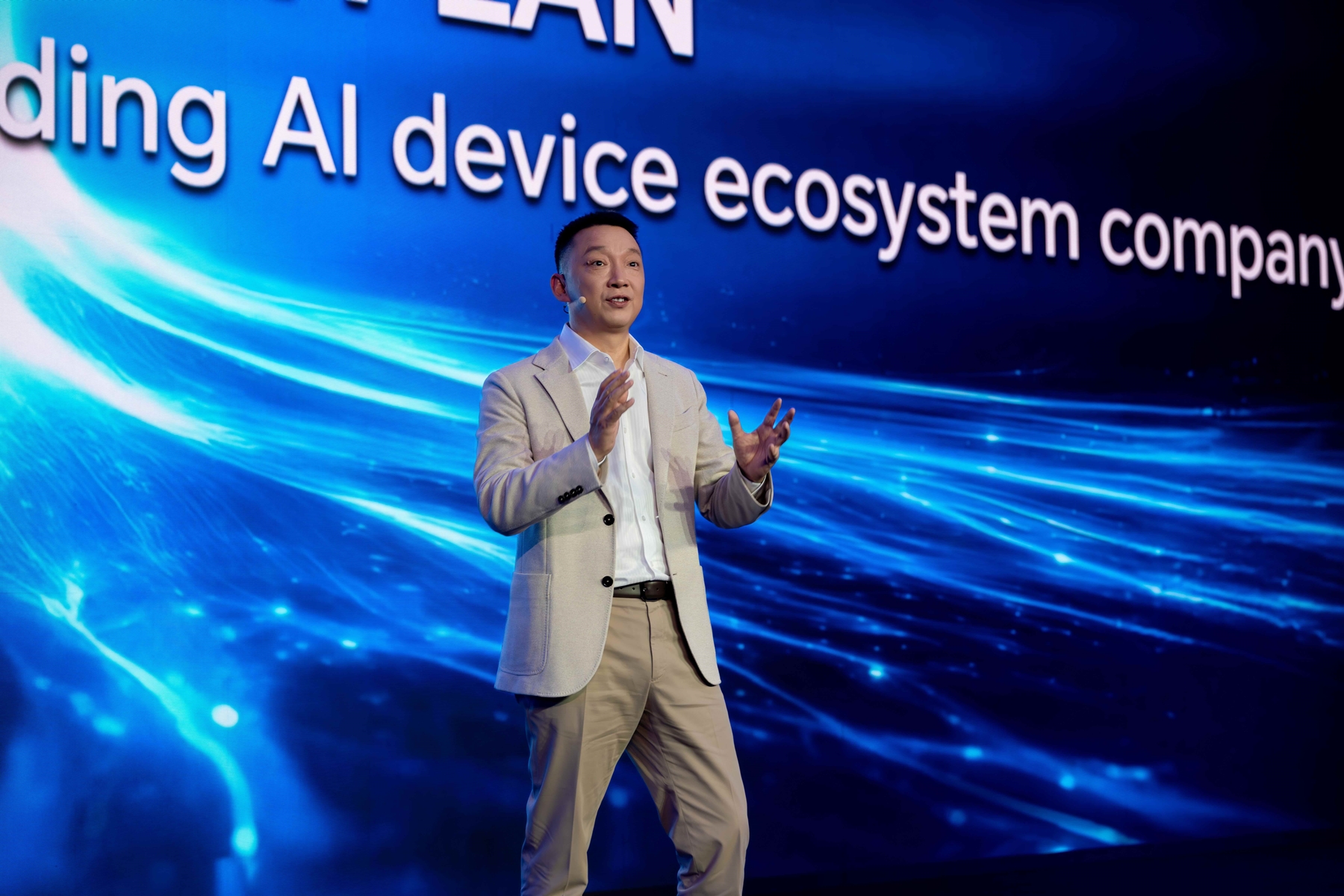
Lenovo has announced a multi-AI model partnership strategy, confirming plans to integrate multiple large language models (LLMs) into its products rather than relying on a single AI provider. The approach includes collaboration with global AI developers such as Alibaba, Mistral AI, and Humain, alongside deeper moves into hybrid AI data-centre infrastructure through partnerships with NVIDIA.
The strategy signals a deliberate shift in how one of Asia’s largest technology companies views AI adoption. Instead of betting on one dominant model, Lenovo is positioning itself as an AI-agnostic platform player, giving customers flexibility across devices, enterprise systems, and infrastructure environments.
Why single-model AI strategies are losing appeal
As AI adoption accelerates, enterprises and device makers are confronting a fragmented landscape. Different models excel at different tasks, languages, and regulatory contexts. Relying on a single AI provider can limit performance, increase dependency risk, and reduce adaptability across markets.
Asia’s diversity amplifies this challenge. Enterprises operate across multiple languages, data environments, and compliance regimes. A single AI model rarely fits all use cases. As a result, companies increasingly prefer model choice and modular AI architectures.
Lenovo’s global footprint across PCs, servers, and enterprise solutions places it at the centre of this shift. By supporting multiple AI models, the company aims to serve customers who want flexibility without sacrificing integration or scale.
How Lenovo is executing the multi-model strategy
Lenovo’s approach centres on AI abstraction and orchestration. Its products will allow customers to select and deploy different LLMs depending on workload, geography, and performance needs. This includes integrating models optimised for multilingual use, reasoning tasks, or industry-specific applications.
Partnerships with Alibaba, Mistral AI, and Humain provide access to diverse model capabilities and regional strengths. These collaborations enable Lenovo to support both global enterprises and local customers without forcing a uniform AI stack.
At the infrastructure level, Lenovo is expanding into hybrid AI data-centre solutions. Working with NVIDIA, the company is aligning hardware, software, and AI acceleration to support on-premise, cloud, and edge deployments. This hybrid focus reflects growing demand for AI systems that balance performance, data sovereignty, and cost control.
Portfolio partnerships are reshaping AI competition
Lenovo’s strategy highlights a broader change in AI competition. The market is moving away from winner-takes-all models toward ecosystems built on interoperability. Hardware vendors, cloud providers, and enterprises increasingly want the freedom to mix and match AI components.
This shift benefits companies that can act as neutral platforms. By not privileging one AI provider, Lenovo strengthens its role as an enabler rather than a gatekeeper. This positioning also reduces exposure to rapid changes in AI model performance, pricing, or regulation.
For Asia, the implications are significant. Regional enterprises often need AI solutions that respect local data rules while remaining globally compatible. A multi-model strategy aligns well with these realities and could accelerate enterprise AI adoption across diverse markets.
What this means for devices, enterprises, and ecosystems
In the near term, Lenovo’s multi-AI approach may enhance product differentiation across PCs, servers, and enterprise solutions. Customers gain flexibility to choose models that best fit their workflows without switching hardware vendors.
Over the medium term, hybrid AI infrastructure could become a core growth driver. Enterprises are increasingly deploying AI close to data sources, whether on-premise or at the edge. Lenovo’s alignment with NVIDIA positions it to capture demand for scalable, performance-driven AI systems.
Longer term, Lenovo’s strategy may influence how AI ecosystems evolve in Asia. If successful, it could encourage more vendors to prioritise openness and partnership over exclusivity, reshaping competitive dynamics across devices, data centres, and enterprise platforms.
A calculated move toward AI flexibility and resilience
Lenovo’s decision to pursue a multi-AI model partnership strategy reflects a calculated response to a rapidly evolving AI landscape. By embracing diversity in AI models and investing in hybrid infrastructure, the company is prioritising flexibility, resilience, and customer choice.
As AI becomes embedded across devices and enterprise systems, strategies built on openness and ecosystem collaboration are likely to gain traction. Lenovo’s portfolio approach positions it not just as a hardware provider, but as a key orchestrator in Asia’s next phase of AI adoption.