



Built-in AI assistants bring smart multitasking to the desktop
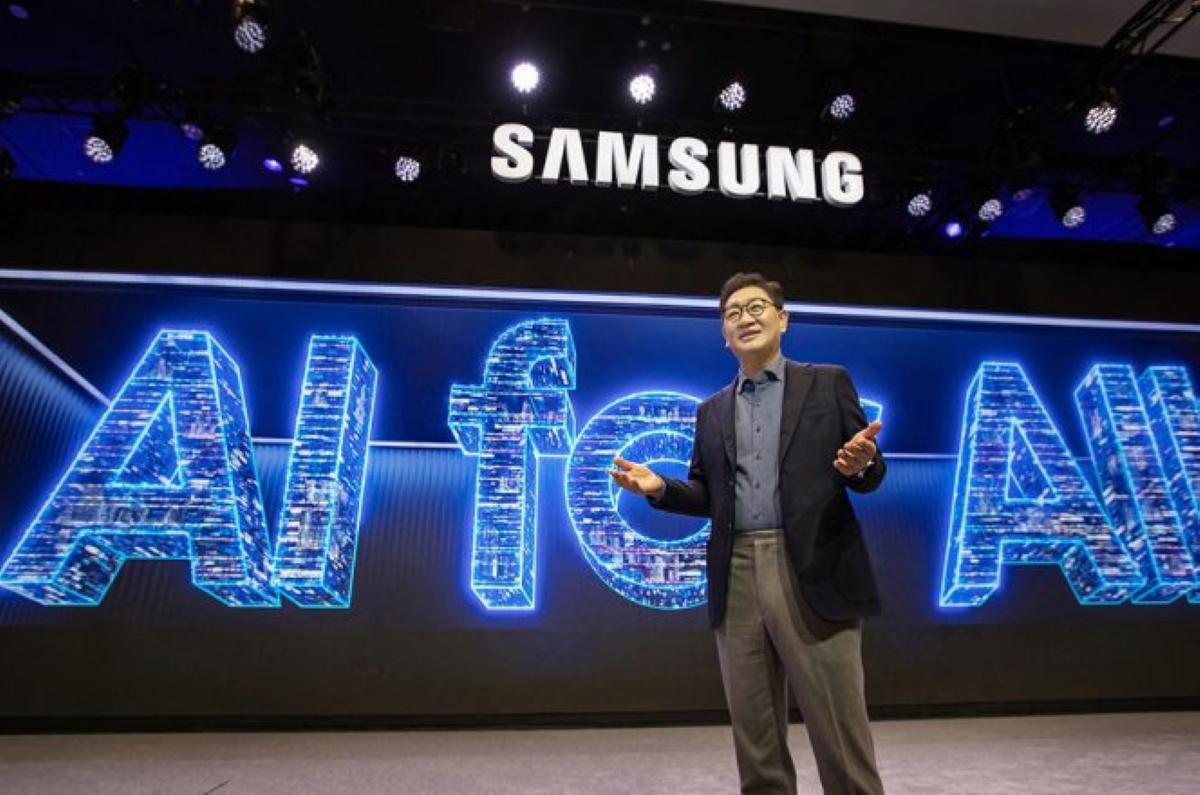
Samsung Electronics has launched a new series of AI-powered smart monitors designed to blend productivity, entertainment, and intelligent automation. Revealed in early July 2025, the monitors are equipped with on-device AI assistants, voice controls, and seamless integration with other Samsung ecosystems like SmartThings and Galaxy AI.
With this launch, Samsung is positioning itself at the forefront of consumer AI hardware by embedding smart capabilities into everyday electronics—further narrowing the gap between smart-home tools and personal computing devices.
From screens to smart hubs
Samsung has long dominated the monitor market, but the company’s strategic push into AI-enabled displays began in 2022 with its first Smart Monitor M8 line. Since then, each generation has added capabilities—starting with voice control and cloud services, and now evolving into full-fledged AI integration.
The 2025 models build on Samsung’s expertise in display innovation and AI development through its Knox and Galaxy AI platforms. Users can now perform tasks like checking calendars, running workouts, switching between workspaces, and even generating quick summaries of on-screen content—all using voice commands or a smart remote.
Samsung’s new monitors come in 27-inch and 32-inch variants and include a dedicated AI chip for low-latency, on-device processing. This ensures privacy and performance by minimizing dependence on cloud processing for everyday tasks.
Lifestyle-tech as a growth frontier
The monitors are being marketed as productivity and lifestyle hubs, particularly for hybrid workers, content creators, and smart home users. According to Samsung’s newsroom, the AI monitors integrate with Bixby, SmartThings, and the recently expanded Galaxy AI assistant, creating a connected user experience across Samsung phones, tablets, and TVs.
Samsung has also introduced an “AI Desktop Mode” that uses machine learning to suggest app layouts, monitor user habits, and recommend personalized settings. This mirrors the shift toward context-aware AI seen in mobile devices and smart assistants.
The rollout is starting in South Korea and the U.S., with global availability scheduled for Q3 2025. The monitors are expected to compete with offerings from LG and Huawei, who have also signaled moves into AI-assisted desktop hardware.
Why AI is the new screen spec
As the line between devices and digital assistants blurs, Samsung’s AI monitor launch reflects a larger trend in how consumers interact with technology. No longer confined to voice speakers or mobile phones, AI is now becoming native to the screen—the central interface of modern life.
For Samsung, this represents both a product innovation and a strategic ecosystem move. By embedding AI directly into its monitor lineup, the company creates new use cases and differentiates itself in a market where refresh cycles are typically slow.
It also positions the monitor as a software platform in its own right, capable of receiving updates, personalized features, and voice-powered utilities that can evolve post-purchase—further deepening brand loyalty and cross-device integration.
The desktop becomes intelligent
Samsung’s AI smart monitors are likely just the beginning of a broader category shift. As generative AI and edge computing improve, displays may evolve into intelligent control hubs—not only responding to users, but anticipating them.
Analysts expect Samsung to integrate more advanced versions of Galaxy AI into future monitor releases, potentially allowing features like real-time translation, image generation, or meeting summarization—all without needing a separate PC or mobile device.
Moreover, as AI becomes an expected baseline feature in consumer electronics, Samsung’s early move gives it a competitive edge in shaping expectations and interfaces across home and professional environments.
A smarter screen for a smarter user
With the release of its AI-powered smart monitor lineup, Samsung is redefining what users can expect from a display. No longer passive peripherals, these new screens act as intelligent companions—empowering users with voice-controlled, personalized, and seamless multitasking.
In a world increasingly shaped by AI, Samsung is making the desktop not just smarter, but more human-aware.