



Singapore’s AI startups turn regional ambitions into reality
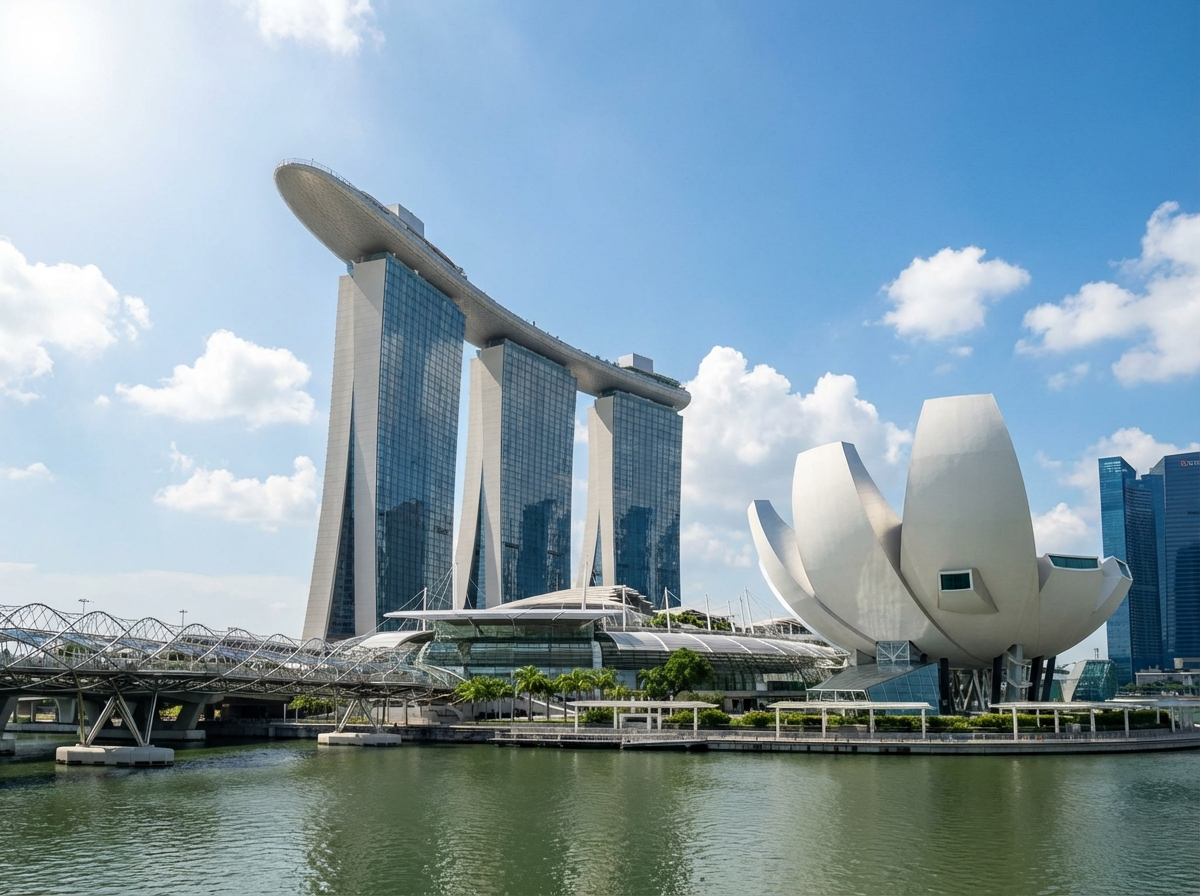
Singapore’s AI startup ecosystem is entering a new phase. Homegrown platforms such as Quest, an AI-powered on-demand services marketplace, are no longer building only for the domestic market. They are expanding into Southeast Asia and Japan, exporting AI products, talent, and playbooks across the region. Backed by the city-state’s National AI Strategy 2.0 and a deep pool of founders and investors, this Singapore AI startup expansion wave shows how one compact hub can power a much wider digital economy.
From local testbed to regional launchpad
Over the past decade, Singapore has positioned itself as a “small country, big lab” for technology. The government’s refreshed National AI Strategy 2.0 sets a clear goal: use AI for the public good while turning the city into a leading global node for AI research and deployment. That strategy sits on top of strong digital infrastructure, a dense financial sector, and a trusted regulatory environment.
AI founders have responded. Recent studies show that hundreds of AI startups based in Singapore have attracted more than US$1.3 billion in private funding in just the first half of 2025. Across Southeast Asia, AI firms raised over US$2.3 billion, with Singapore-origin companies taking the largest share. Even as global tech funding cycles cooled, capital kept flowing into data, AI infrastructure, and applied AI products.
Quest illustrates how this ecosystem works in practice. Founded in 2021 by three Singapore Management University graduates, Quest – Hire a Hero built an AI-powered marketplace that matches users with “Heroes” who take on tasks ranging from content creation to event support. The platform already counts more than 450,000 users across Singapore, the Philippines, and the United States, with millions of dollars in income generated for gig workers. Singapore served as the product laboratory; regional and global markets now supply the growth runway.
How Singapore AI startups expand into Southeast Asia and Japan
The new wave of Singapore AI startup expansion is deliberate, not accidental. First, founders are choosing markets that share similar urban density, smartphone penetration, and comfort with digital payments. For platforms like Quest, that makes cities such as Manila, Jakarta, Bangkok, and Ho Chi Minh City natural next steps. These markets combine young users, strong gig-economy demand, and businesses that want flexible digital labour.
Second, more Singapore-based AI companies are treating Japan as a strategic frontier. Some build consumer platforms that adapt to local language and cultural preferences. Others form deep B2B alliances. For example, Singapore’s engineering and technology firms have partnered with Japanese players to design AI-era chips and digital infrastructure, tying Singapore’s design talent to Japan’s manufacturing base. These collaborations give Singapore startups a foothold in one of the world’s most demanding technology markets, while giving Japanese partners access to fast-moving AI use cases in Southeast Asia.
Third, Singapore continues to attract global AI leaders that want an Asia-Pacific hub. Google DeepMind recently opened a research lab in the city, focusing on scientific and social applications of AI in healthcare, climate, and education. At the same time, companies like Felicity Labs, an AI-driven game-technology firm, have set up Southeast Asia headquarters in Singapore to drive acquisitions and regional growth. These moves deepen the talent pool and create more demand for local AI platforms that can plug into global ecosystems.
Finally, investors now treat Singapore as the natural command centre for regional AI bets. Global and regional funds base teams in the city and use it to source deals from across ASEAN and beyond. This capital concentration means startups can raise one round in Singapore and then execute multi-country rollout plans without relocating.
Why Singapore’s AI startups travel well
Three factors explain why Singapore’s AI startups often succeed when they move into the region.
The first is discipline. Building in a small, high-cost market forces startups to focus on clear use cases and strong unit economics. Quest, for instance, had to make its AI-powered matching and pricing engine work for both users and “Heroes” from day one, because local labour and marketing costs leave little room for sloppy execution. When such companies enter larger markets, they bring that discipline with them, which helps them out-compete less efficient local rivals.
The second is policy clarity. Singapore’s regulators have set out clear guidelines on AI, data, and digital payments. This gives founders a reliable baseline and reassures international partners. When a Singapore startup enters a new country, it can point to its home standards as proof of maturity in areas like privacy, risk management, and security. That reputation matters when working with banks, telecom operators, or government-linked clients.
The third is network reach. Many Singapore startups design products with cross-border functionality from the start. Payments rails, language models, and compliance modules often support multiple markets even before the first overseas launch. Meanwhile, regional programmes and co-creation platforms help link Singapore founders with Japanese corporates and Southeast Asian partners, turning the city into a neutral ground where cross-border deals can start.
From city-scale experiments to regional AI infrastructure
Looking ahead, Singapore’s AI startup hubs are likely to evolve in two directions at once. On one track, consumer and SME-facing platforms such as Quest will continue to spread across Southeast Asian cities, offering on-demand services, AI-enhanced productivity tools, and flexible work opportunities. On the other track, deeper infrastructure plays will grow, including AI-chip design services, data platforms, and sector-specific AI stacks for healthcare, logistics, and education.
The city-state’s public sector also plans to remain an active partner rather than a passive bystander. Under NAIS 2.0, Singapore is investing more than US$1 billion equivalent over several years in AI compute, talent, and industry development. That spending should create new demand for local AI vendors and attract more global research labs, which in turn will keep the talent flywheel turning.
However, the model is not risk-free. Competition from other hubs such as Seoul, Tokyo, and Dubai will intensify. Talent shortages may emerge if demand for AI engineers and product leaders grows faster than training pipelines. Regulatory expectations around AI safety and fairness may also tighten, raising compliance costs. Startups that succeed will be the ones that treat these constraints as design inputs rather than obstacles, and that build governance into their products from the beginning.
Singapore’s AI hubs are writing the next chapter of regional tech
The evolution of Singapore’s startup ecosystem from a local testbed into a regional AI and tech launchpad is well under way. Platforms like Quest show how on-demand, AI-powered marketplaces can move beyond the city’s borders while still using Singapore as the anchor. Meanwhile, partnerships with Japanese and Southeast Asian partners, plus the arrival of global AI labs, signal that the city is now a serious producer of AI capabilities, not just a consumer.
If Singapore continues to pair strong policy frameworks with founder-led innovation and regional capital, the Singapore AI startup expansion wave will not be a one-off. It will be the pattern. In that future, AI hubs in Singapore will function less as isolated clusters and more as the switching stations for a broader Asian AI economy.



