


Charting Singapore’s path in a shifting global economy
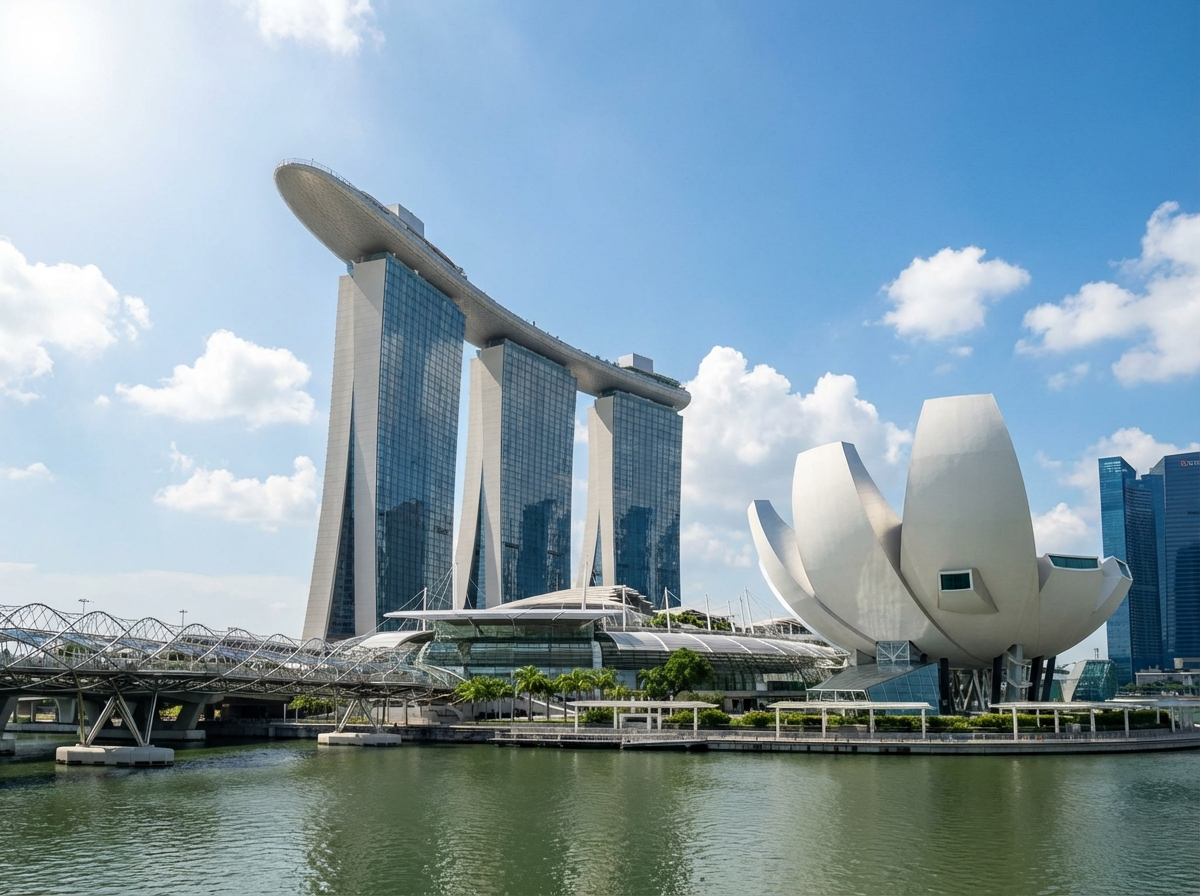
Singapore has initiated a wide-ranging economic review to address rapid changes in global trade and emerging technology challenges. The strategic assessment will focus on artificial intelligence (AI), supply chain resilience, and long-term competitiveness. This move reflects the nation’s determination to remain a hub for innovation and trade despite rising geopolitical and economic pressures.
Building on a foundation of resilience
Singapore has long positioned itself as a global trade and technology leader, leveraging its strategic location, pro-business policies, and skilled workforce. Over the past decade, it has built strong foundations in sectors such as advanced manufacturing, financial services, and information technology.
The new review is being undertaken by a high-level committee comprising government officials, industry leaders, and academic experts. Their goal is to anticipate structural shifts in the world economy, with special attention to how AI will reshape industries. According to Singapore’s Ministry of Trade and Industry, the review will also explore how digitalisation can drive productivity while safeguarding economic security.
This is not the first time Singapore has taken such a forward-looking approach. The Committee on the Future Economy, formed in 2016, set policy directions that have since guided infrastructure development, workforce training, and innovation investments. However, today’s economic climate is far more complex, with heightened competition and rapid technological change demanding a fresh strategy.
Responding to trade shifts and AI disruption
The review will place significant emphasis on AI’s role in Singapore’s economy. Authorities are examining how AI can boost sectors like healthcare, logistics, and finance while also creating new high-value jobs. At the same time, they will address potential risks such as workforce displacement, data privacy, and algorithmic bias.
Another priority is enhancing supply chain resilience. Global disruptions — from the COVID-19 pandemic to geopolitical tensions — have highlighted vulnerabilities in the movement of goods and technology. Singapore aims to strengthen partnerships with regional and global players to diversify trade routes and reduce reliance on single sources.
Moreover, the review will consider how to balance technological adoption with sustainability commitments. The government has already invested heavily in green energy infrastructure and is seeking ways to integrate AI with clean-tech solutions. This alignment between technology and sustainability could open new opportunities for innovation-led growth.
Why this review matters now
The decision to launch this economic review is both timely and necessary. Global trade flows are shifting as new alliances form and protectionist policies gain ground. For a trade-dependent nation like Singapore, anticipating these changes is essential.
The focus on AI is equally important. While many countries are still debating how to integrate AI into their economies, Singapore is actively planning its adoption at both policy and industry levels. This proactive approach ensures that the benefits of AI — such as increased efficiency and productivity — are maximised while risks are minimised.
Additionally, the review reflects Singapore’s awareness that leadership in technology cannot be taken for granted. Competitors across Asia are investing heavily in research, innovation, and talent attraction. Maintaining an edge will require not only investment but also a clear national strategy.
Setting the stage for the next decade
The economic review is expected to produce a set of recommendations within the next 18 months. These could shape Singapore’s policies in areas such as trade diversification, AI governance, and workforce upskilling.
In AI, Singapore may introduce sector-specific adoption roadmaps, supporting industries most likely to benefit from automation and predictive analytics. This could include incentives for startups, funding for AI research, and public-private partnerships to accelerate technology deployment.
On the trade side, policymakers are likely to seek deeper engagement with ASEAN partners, as well as new agreements with emerging markets. By doing so, Singapore can buffer itself against economic shocks in traditional markets and tap into high-growth regions.
The review also signals Singapore’s intention to remain a testbed for frontier technologies. Its smart city initiatives, advanced port infrastructure, and vibrant fintech ecosystem create an environment where AI-driven solutions can be piloted before scaling globally. According to the World Economic Forum, economies that combine innovation with resilience planning are best positioned to thrive amid uncertainty.
Looking ahead, Singapore’s ability to adapt will be its greatest asset. By aligning AI adoption with economic diversification and sustainability, it can strengthen its position as both a regional and global leader. The review’s outcomes will not only influence policy but also send a clear message: Singapore is prepared to navigate disruption and seize new opportunities.
Preparing for disruption while shaping the future
Singapore’s new economic review is more than a reaction to current challenges — it is a strategic investment in the nation’s long-term competitiveness. By focusing on AI, trade resilience, and sustainable growth, the city-state is setting itself up to remain at the forefront of global innovation. As the recommendations take shape, businesses, policymakers, and citizens alike will be watching closely, ready to play their part in shaping Singapore’s next chapter.