



Legitimacy returns to blockchain startups
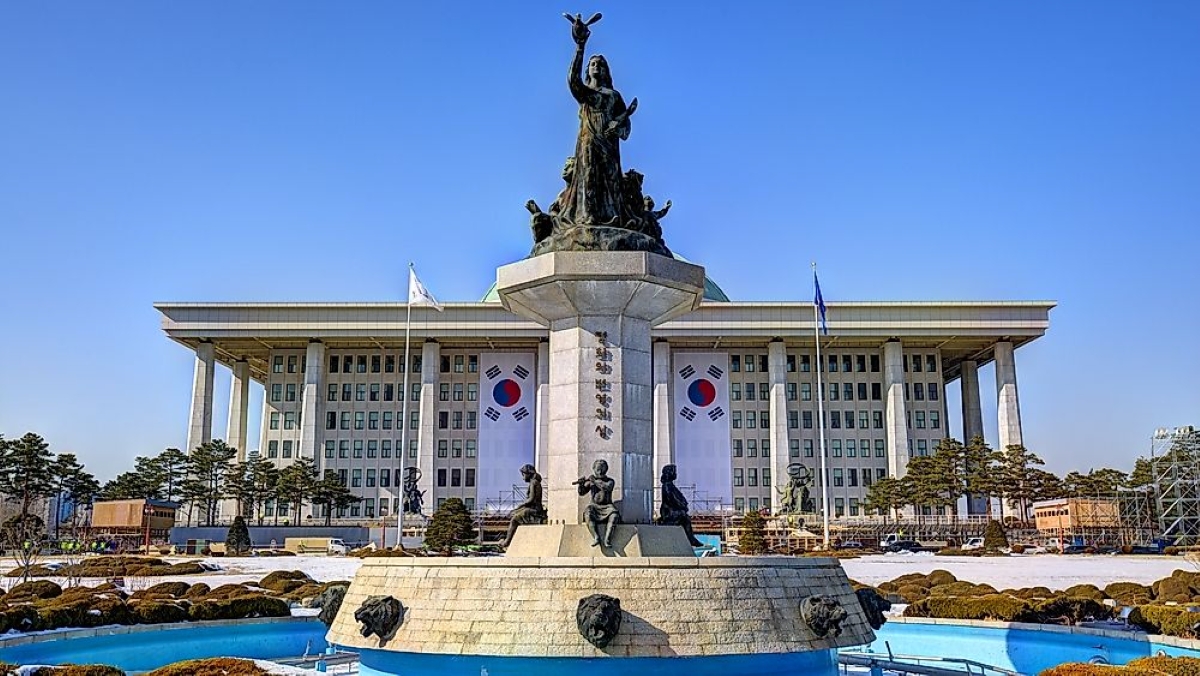
South Korea has ended its seven-year ban on recognizing crypto firms as venture businesses. The change, effective from mid-September 2025, allows blockchain startups to receive venture funding, tax breaks, and government grants. The reform marks a turning point for Asia’s third-largest economy, signaling that digital assets are no longer viewed only as risks but also as engines of innovation.
A restrictive era for crypto ventures
The ban was first imposed in 2017, during a surge of retail crypto trading. Policymakers, alarmed by speculation and several major exchange hacks, decided that crypto-related firms would not qualify for “venture business” status under the Special Measures for Venture Businesses Act.
That label is important. In South Korea, being classed as a venture business unlocks tax relief, access to grants, and support from state-backed programs. Without it, startups in blockchain were excluded from government help and often found it hard to raise capital.
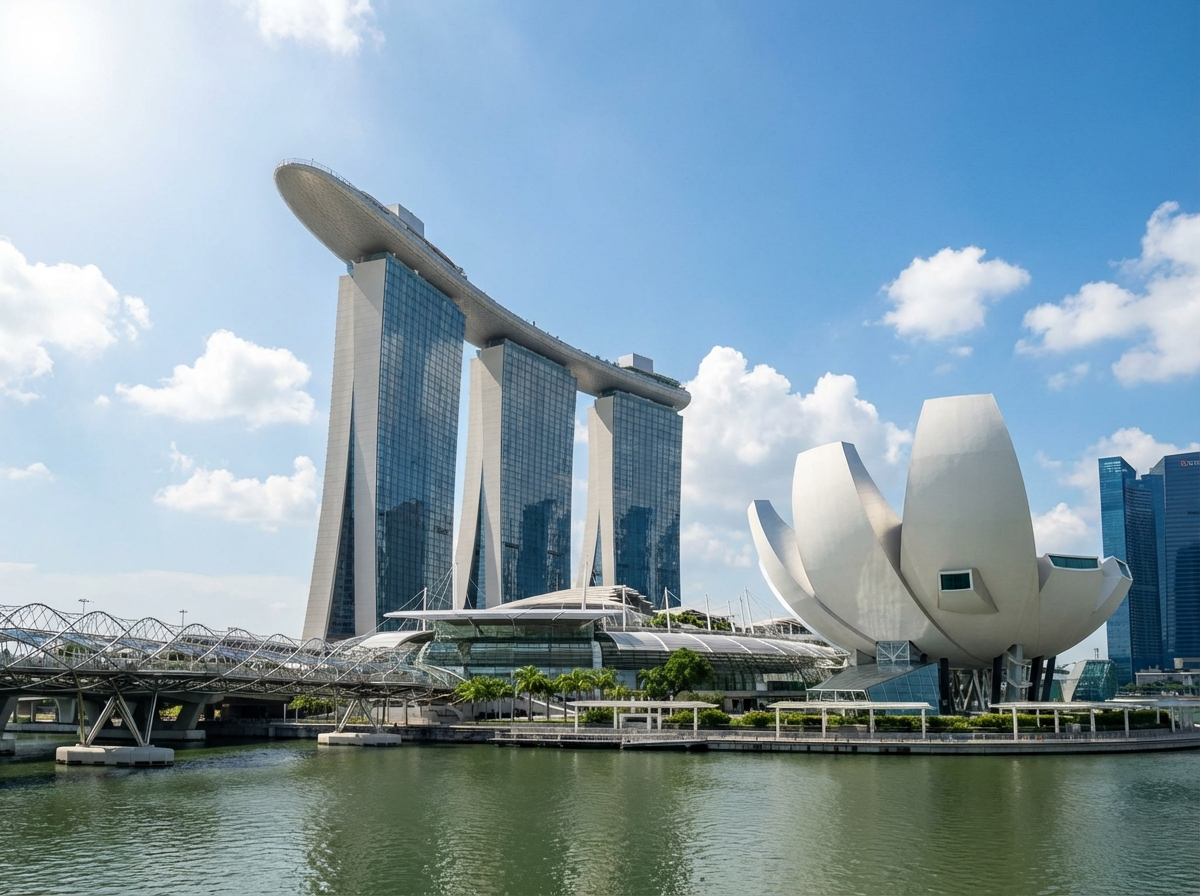
The impact was clear. While Korea remained one of the world’s most active trading markets, its homegrown blockchain ecosystem fell behind peers like Singapore and Hong Kong. These hubs moved to support regulated firms, while Korea’s own innovators struggled to attract institutional backing.
By reversing the ban, Seoul now acknowledges that crypto can be part of its digital growth strategy, provided strong safeguards are in place.
Opening doors for venture growth
From September, crypto and blockchain companies will enjoy the same benefits as other tech ventures. Key features include:
Tax support – Lower corporate tax rates and investor exemptions on capital gains.
Access to funding – Institutional VC firms and government-linked funds will be able to invest in blockchain companies.
Innovation grants – Startups can apply for public R&D subsidies and government innovation programs.
The Ministry of SMEs and Startups confirmed that applications from blockchain firms will be accepted from mid-September. However, authorities stressed that companies must comply with the Virtual Asset User Protection Act, introduced earlier in 2025. This law requires strict standards on custody, transparency, and investor protection.
For entrepreneurs, the policy shift creates real momentum. Firms working in payments, decentralized identity, supply chain tracking, or gaming will now be able to scale with institutional support instead of relying only on token sales or retail speculation.
Balancing innovation with oversight
The end of the ban reflects South Korea’s effort to strike a balance. On one side, it wants to encourage innovation and stay competitive with neighbors that are luring blockchain capital. On the other, it must avoid the speculative excesses that damaged trust during the last crypto boom.
By tying venture recognition to compliance with the Virtual Asset User Protection Act, the government has created a two-part framework. Startups gain recognition and support, but only if they meet high standards of consumer protection and operational transparency.
For investors, this adds clarity. Venture capital firms that previously stayed away now have a green light to back blockchain startups. Universities and research labs may also benefit, as startups become eligible for joint projects funded by government programs.
The reform could also restore South Korea’s ambition to be a global fintech and Web3 hub. That goal was held back for years by restrictive policy, but the new framework signals a shift toward openness combined with oversight.
Still, risks remain. Global downturns in crypto markets in 2022–2023 weakened investor confidence. Competition for funds across Asia is intense. To succeed, Korea will need not only new rules but also continued support for sustainable business models.
Korea’s role in the Asian crypto map
The policy change is likely to spark a wave of new blockchain ventures. Analysts expect startup registrations to rise quickly after September, especially in tokenized assets, identity tools, and gaming—industries where Korea already has global strengths.
For venture funds, the new policy expands deal flow. Domestic investors will have more freedom to support startups, while foreign VCs may view Korea as safer thanks to its regulatory clarity. This could help Seoul compete again with Singapore and Hong Kong, which have raced ahead in attracting Web3 talent and capital.
In addition, Korea could use the new framework to foster cross-border partnerships. By offering both regulation and support, it could become a base for global blockchain firms seeking access to Asia. Government-led cooperation with ASEAN or EU partners could further enhance this role.
Longer term, the reform shows how Asian governments are adjusting. Instead of banning crypto or leaving it unchecked, they are choosing measured integration. South Korea’s return to supporting blockchain ventures is both a correction of past limits and a signal of future intent.
A new chapter for Korea’s blockchain ecosystem
Ending the seven-year ban gives South Korea’s blockchain startups the legitimacy they have sought. Venture business status opens the door to funding, tax relief, and state programs. It also sends a message: crypto can be a regulated, supported part of Korea’s innovation economy.
For startups, the opportunity is clear. For investors, the environment is now safer and easier to navigate. And for South Korea itself, the policy shift restores its ambition to be a leader in Asia’s digital future.
As mid-September approaches, all eyes will be on how quickly entrepreneurs seize this chance—and how effectively regulators manage growth while protecting consumers.