


Singapore-based fintech unveils AI-native tool for treasury automation
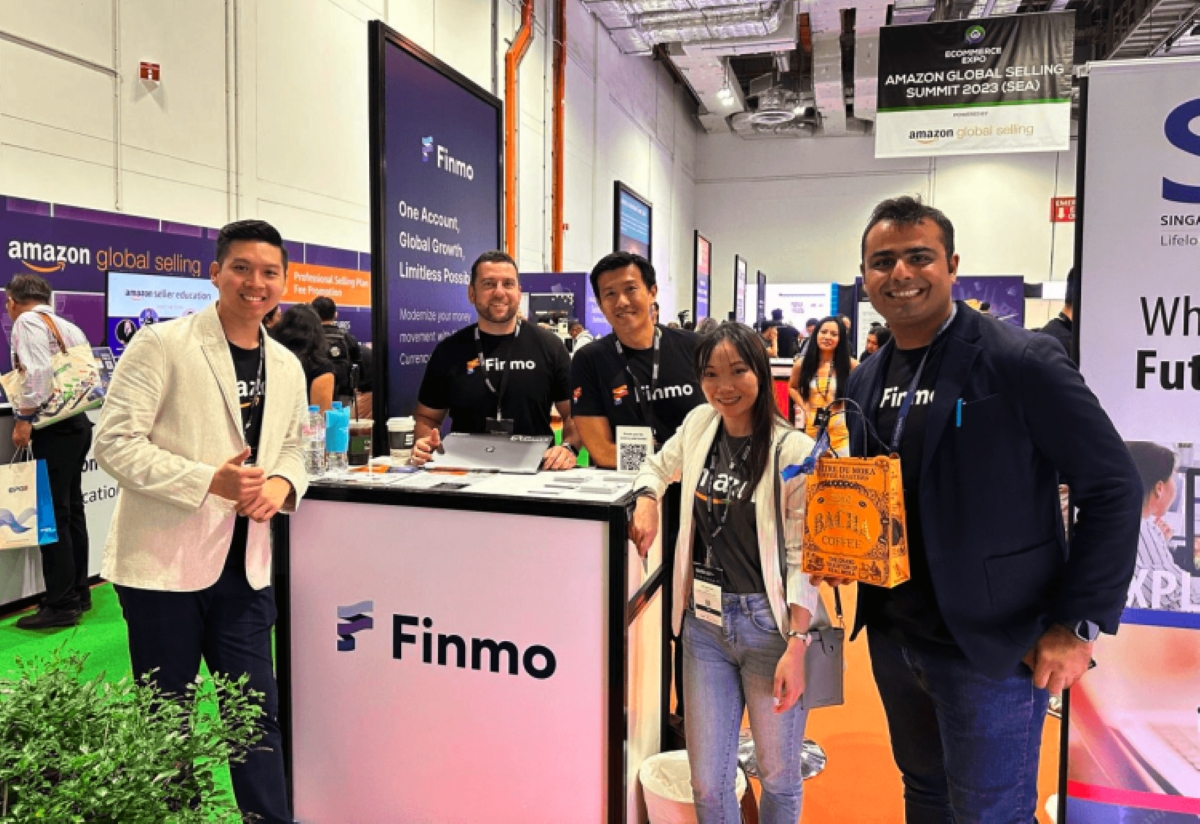
Singapore’s fintech firm Finmo has introduced MO AI, a finance co-pilot designed for corporate treasury teams in Asia. Announced on June 24, 2025, MO AI uses AI to simplify cash flow forecasting, FX risk management, and liquidity reporting. It targets high-growth firms and CFOs managing rapid market shifts. The focus keyphrase finance co-pilot reflects Finmo’s mission to automate complex treasury functions.
From FX platform to AI treasury leader
Founded in 2021, Finmo began as a B2B foreign exchange platform for startups and mid-sized firms in Asia-Pacific. It later expanded into treasury software, offering real-time dashboards and multi-currency management tools.
The debut of MO AI signals Finmo’s evolution into an intelligent finance partner. The new tool integrates with ERP systems to deliver predictive insights and real-time recommendations. It pulls data from multiple internal systems and banking sources to help CFOs take action faster.
MO AI was developed with finance teams in Singapore, India, and Australia through a six-month private beta. It is now available on Finmo’s platform.
Automating treasury in real time
With fluctuating interest rates and volatile currency markets, treasury teams across Asia face pressure to move quickly. Finmo’s MO AI addresses this by delivering AI-powered automation in areas that are often underserved by other fintech products.
Key features include:
Daily liquidity health updates
Automated FX hedging suggestions
Scenario modeling for funding and cash reserves
Integrations with CRMs and accounting software
Finmo has already partnered with over a dozen clients, including Series B startups and mid-sized enterprise groups. It plans to expand MO AI to Indonesia, Vietnam, and Hong Kong by Q4 2025.
Singapore’s regulatory environment also supports Finmo’s growth. MO AI was tested in the MAS FinTech Regulatory Sandbox, which enables responsible experimentation for financial products.
Fintech’s AI-native shift gains ground
Most Southeast Asian fintechs focus on payments or lending. Finmo, by contrast, is building AI-native tools for less visible—but critical—back-office needs. With MO AI, it targets treasury operations—a function central to CFO workflows but often overlooked by innovators.
What sets MO AI apart is its domain-specific training. It was built using financial datasets and refined by real CFOs. This gives the tool practical value beyond general-purpose AI chatbots or dashboards.
Finmo’s strategy shows how fintech can deliver real impact: by solving high-friction problems through intelligent automation, not hype.
Scaling intelligence across Asia
The road ahead for Finmo lies in regional adoption. While Singapore offers an ideal launchpad, success depends on adapting MO AI to the banking APIs, financial norms, and compliance rules of each market.
Markets like Thailand, Malaysia, and the Philippines are exploring automation tools, but rollout will require local adjustments. Finmo’s founder, Rachel Tan, has stated that each expansion will include region-specific features and support for local financial frameworks.
CFOs across Asia increasingly demand real-time insights. As this need grows, Finmo’s MO AI could become a key enabler—especially for companies looking to modernize treasury without overhauling their tech stack.
Finmo sets a new AI standard in Southeast Asian fintech
With MO AI, Finmo has moved beyond payments and FX to tackle enterprise treasury—a function both vital and underserved. This move positions the company at the front of Southeast Asia’s next fintech wave: AI tools that power smarter, faster, and leaner financial decisions.
Finmo’s approach is a blueprint for others. Instead of chasing buzzwords, it focuses on utility and workflow impact. As regional markets mature, demand will rise for tools like MO AI that offer intelligence, not just automation.
The launch marks more than a product debut. It signals how Southeast Asian startups can lead in AI-native fintech—one business-critical solution at a time.