


U.S. fast-casual brand makes Asia debut
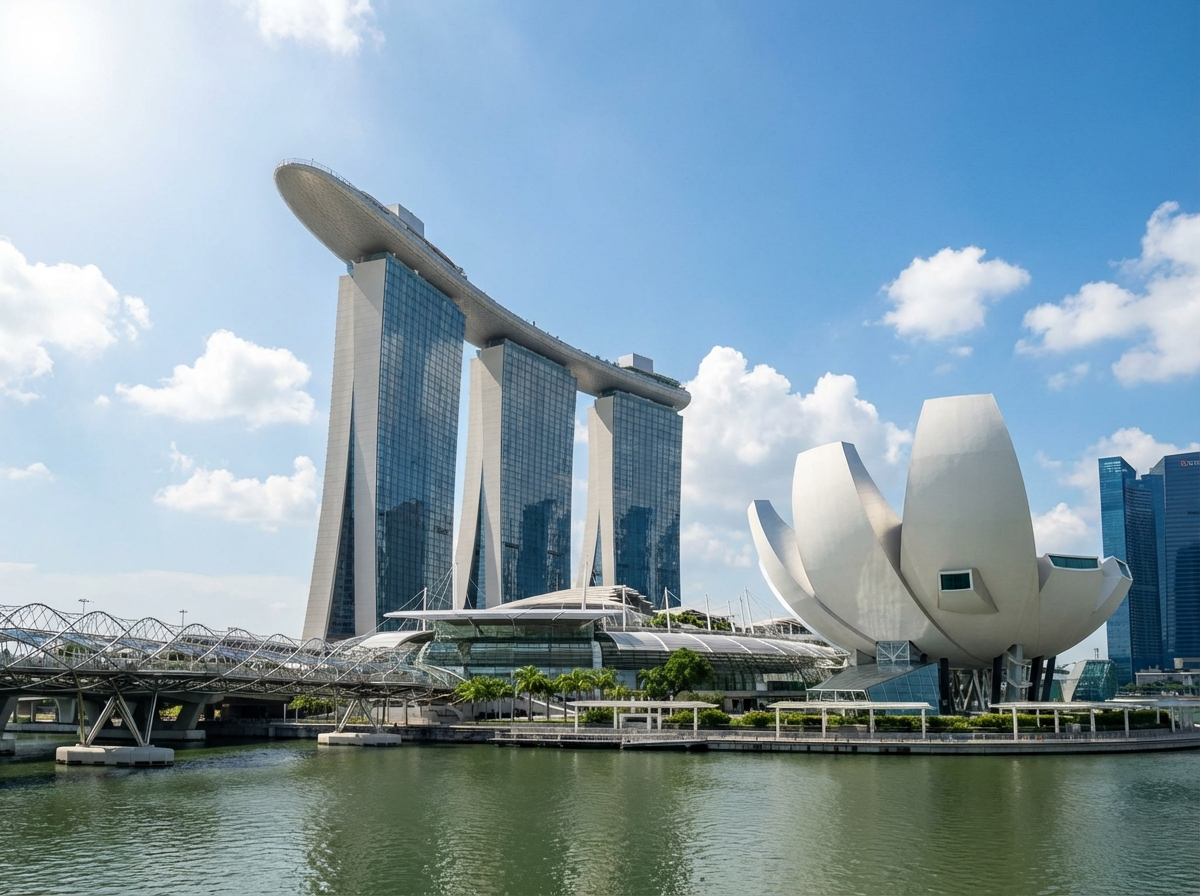
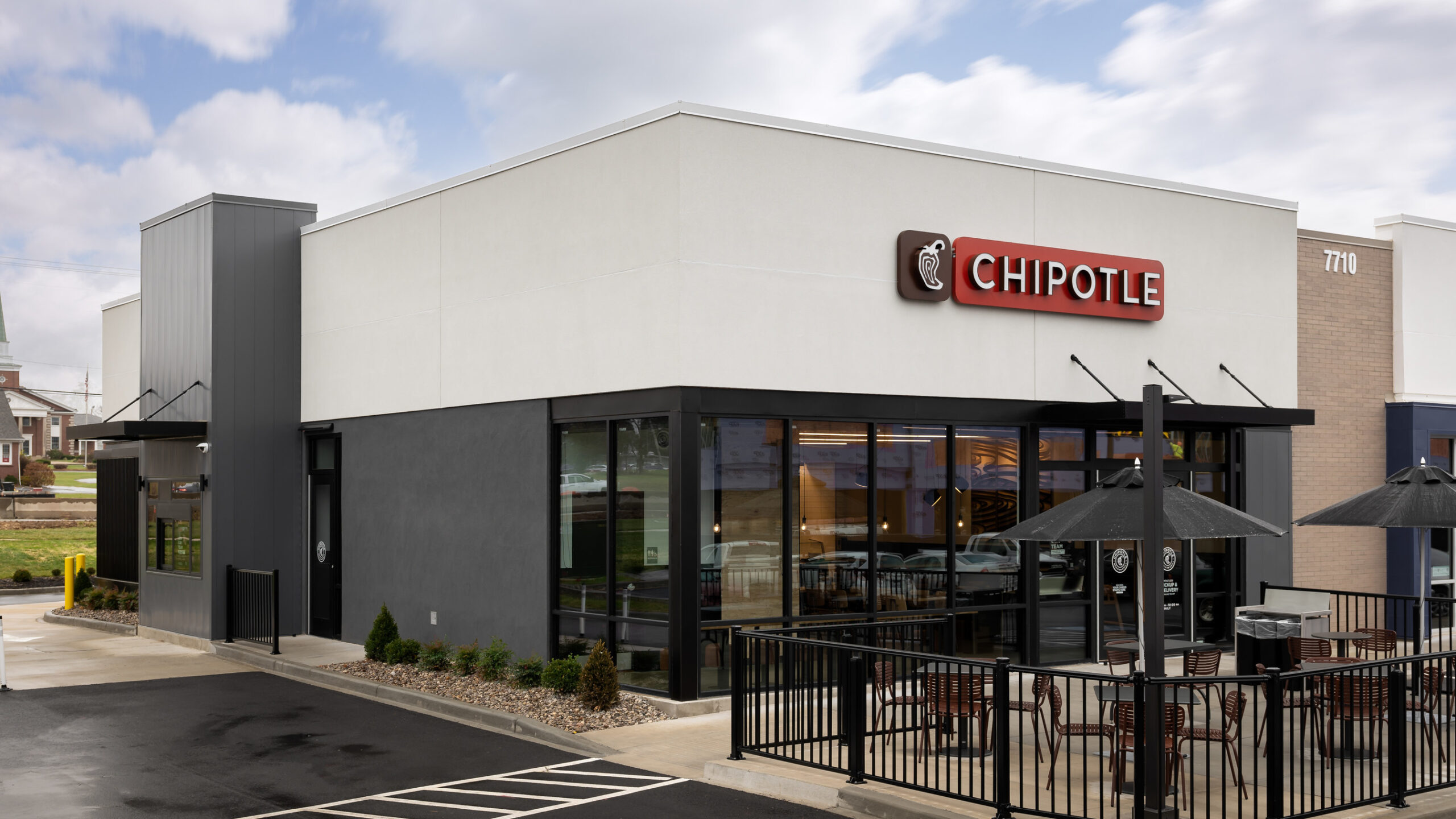
Chipotle Mexican Grill has announced plans to enter Asia for the first time, opening branches in Singapore and South Korea in 2026 through a partnership with SPC Group, a major South Korean food and beverage operator. The move reflects the growing appetite for global fast-casual dining in Asia’s urban centers and highlights how Western brands are adapting to new consumer expectations in highly competitive markets.
Chipotle’s global expansion journey
Founded in 1993 in Colorado, Chipotle grew rapidly in the United States by popularizing the fast-casual dining model—offering freshly prepared burritos, tacos, and bowls in a quick-service format. The brand became known for its emphasis on “Food with Integrity”, focusing on sustainable sourcing and customizable meals.
While Chipotle operates more than 3,500 restaurants globally, its footprint outside North America remains limited. The company has outlets in the United Kingdom, France, and Germany, but has yet to penetrate Asia—a region dominated by American chains like McDonald’s, Starbucks, and KFC.
The partnership with SPC Group, which operates global brands such as Paris Baguette and Shake Shack in Asia, signals a deliberate effort to accelerate international growth. Singapore and South Korea were chosen as entry points due to their high urban density, affluent consumers, and openness to global dining trends.
Partnering for cultural adaptation
The alliance with SPC Group offers Chipotle a strong local partner experienced in managing Western brands in Asia. The strategy rests on several pillars:
Market entry through established networks – SPC brings deep expertise in store development, supply chain logistics, and customer engagement in both Singapore and South Korea.
Menu localization – While Chipotle will retain its core offerings of burritos, bowls, and tacos, it plans to adapt flavors and ingredients to local tastes, such as spicier seasoning for Korean diners or lighter options tailored to Singapore’s health-conscious urban consumers.
Premium positioning – Chipotle will position itself as a differentiated fast-casual option in Asia, standing between fast food and sit-down restaurants. This segment is gaining traction among millennials and young professionals seeking both speed and quality.
Digital-first engagement – Mobile ordering and delivery partnerships are expected to play a major role, reflecting Asia’s advanced food delivery ecosystem.
By leveraging SPC’s infrastructure and cultural know-how, Chipotle hopes to avoid common pitfalls faced by Western brands that struggled to localize effectively.
Competition and cultural fit
Chipotle’s entry highlights the challenges of Western food chains expanding into Asia. While the region offers immense growth potential, consumer expectations are shaped by strong domestic players and an abundance of global brands.
In South Korea, Chipotle will face competition from both local fast-casual concepts and international heavyweights. Brands such as Shake Shack, which SPC also manages, have already built a loyal customer base by localizing menu items and cultivating aspirational branding. Singapore, with its diverse food scene and cosmopolitan population, presents opportunities but also intense competition from hawker culture, mid-tier restaurants, and established chains.
Cultural fit will be key. Chipotle’s proposition of customizable meals resonates with younger, health-conscious diners, but it must also adapt to regional dining habits. Portion sizes, flavor profiles, and price points will determine whether the brand can secure a foothold.
At the same time, Chipotle’s expansion signals confidence in Asia’s fast-casual growth story. As middle classes grow and urban lifestyles accelerate, consumers increasingly seek dining options that blend speed, quality, and perceived health benefits. This positions Chipotle to ride structural shifts, provided it executes localization effectively.
Testing grounds for broader Asia push
Singapore and South Korea are not just new markets—they are test beds for Chipotle’s larger Asia strategy. Both countries offer advanced consumer markets where brand positioning and product fit can be refined before entering larger but more complex markets such as Japan, China, or India.
For SPC Group, the partnership reinforces its role as a bridge between Western brands and Asian consumers. If successful, it could pave the way for broader regional expansion, leveraging SPC’s networks across Southeast Asia and beyond.
The initiative also comes at a time when Western fast-food chains are recalibrating their Asia strategies. While legacy giants continue to expand, newer fast-casual entrants see an opportunity to differentiate with healthier, customizable, and premium-priced offerings. Chipotle’s arrival could thus set a precedent for other U.S. brands eyeing Asia.
Still, success is not guaranteed. Rising operating costs, evolving consumer preferences, and saturation in urban dining require careful execution. Yet if Chipotle and SPC strike the right balance, the brand could carve out a niche as Asia’s go-to fast-casual Mexican option.
A bold step into Asia’s dining landscape
Chipotle’s decision to enter Singapore and South Korea through SPC Group marks a defining moment in its global expansion journey. By leveraging a seasoned local partner, focusing on cultural adaptation, and positioning itself within Asia’s fast-casual wave, the company is making a calculated bet on one of the world’s most dynamic dining markets.
For Chipotle, the partnership could transform it from a primarily Western brand into a global fast-casual leader. For SPC, it strengthens its portfolio of managing successful Western brands in Asia. And for consumers, it promises a new dining choice that blends Mexican flavors with localized touches.
As the first restaurants prepare to open in 2026, the experiment will not only test Chipotle’s brand resonance in Asia but also signal how Western fast-casual concepts can adapt—and thrive—in one of the most competitive dining landscapes in the world.