





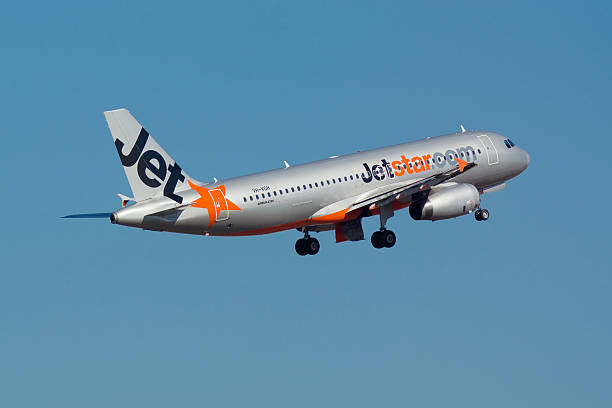
Qantas pivots strategy with Jetstar Asia closure
Qantas has announced it will shut down Jetstar Asia, its Singapore-based low-cost carrier, to reallocate resources toward modernizing its mainline fleet. This move marks a major shift in the airline’s Asia-Pacific strategy and highlights the growing challenges faced by budget airlines. An estimated $500 million from the closure will now fund fleet upgrades and long-haul expansion.
From regional expansion to strategic retreat
Launched in 2004, Jetstar Asia was Qantas’ attempt to capture Southeast Asia’s growing low-cost travel market. Operating from Singapore’s Changi Airport, it served cities like Bangkok, Kuala Lumpur, Manila, and Jakarta, helping position Singapore as a regional hub for budget travelers.
However, the pandemic changed travel dynamics across Asia. Budget airlines were hit harder than full-service carriers, struggling with reduced flight frequencies, staff shortages, and shifting passenger expectations. Even after partial recovery in 2023–2024, Jetstar Asia remained unprofitable.
Rising fuel costs, competitive pricing, and aging aircraft added further strain. These factors pushed Qantas to consolidate its footprint and invest in higher-yield international and domestic routes.
Shifting capital to long-haul efficiency
Closing Jetstar Asia unlocks roughly $500 million for Qantas. These funds will accelerate delivery of Airbus A321XLR and Boeing 787-10 aircraft, enabling more fuel-efficient and longer non-stop routes.
According to Qantas Group CEO Vanessa Hudson, the decision sharpens the airline’s focus on profitable growth and sustainable operations. Rather than operating its own low-cost brand in Asia, Qantas will now rely on code-share partnerships and long-haul connections through key hubs like Singapore.
Jetstar Asia’s routes may be absorbed by joint venture partners or covered via interline agreements, reducing disruption for passengers.
A changing landscape for regional aviation
Jetstar Asia’s closure signals broader changes in the airline industry. The budget model, which thrived in the 2010s, now faces new pressures—from carbon regulations to rising operational costs.
Major players like Singapore Airlines and Cathay Pacific are adapting with cabin upgrades, improved loyalty offerings, and hybrid pricing. Meanwhile, AirAsia is expanding into digital ecosystems, combining travel, payments, and cargo services.
Qantas’ move reflects a new post-pandemic strategy: focus on core strengths, simplify brand portfolios, and pursue deeper partnerships. This helps improve capital efficiency while building a more agile and resilient operation.
Alliances over ownership
Going forward, Qantas will likely focus on premium travelers, sustainable aviation fuel (SAF), and alliance-driven growth. Singapore will stay central to its network but through strategic deals, not subsidiary carriers.
Industry analysts expect this shift to influence other carriers as well. Jetstar Asia’s closure may prompt consolidation, with stronger brands growing and weaker players exiting. It also opens space for innovation among low-cost competitors that adopt leaner, tech-forward models.
In an era shaped by rising costs and geopolitical shifts, Qantas’ decision may define a new playbook for airlines in the Asia-Pacific—one that values flexibility, strategic alignment, and disciplined investment.