



StepFun Hong Kong IPO strategy reflects regulatory alignment
Chinese AI startup StepFun is restructuring its corporate structure to prepare for a Hong Kong IPO, aiming to align with domestic regulations and unlock new funding channels. The move includes unwinding offshore entities and repositioning the company for listing approval within China-linked markets.
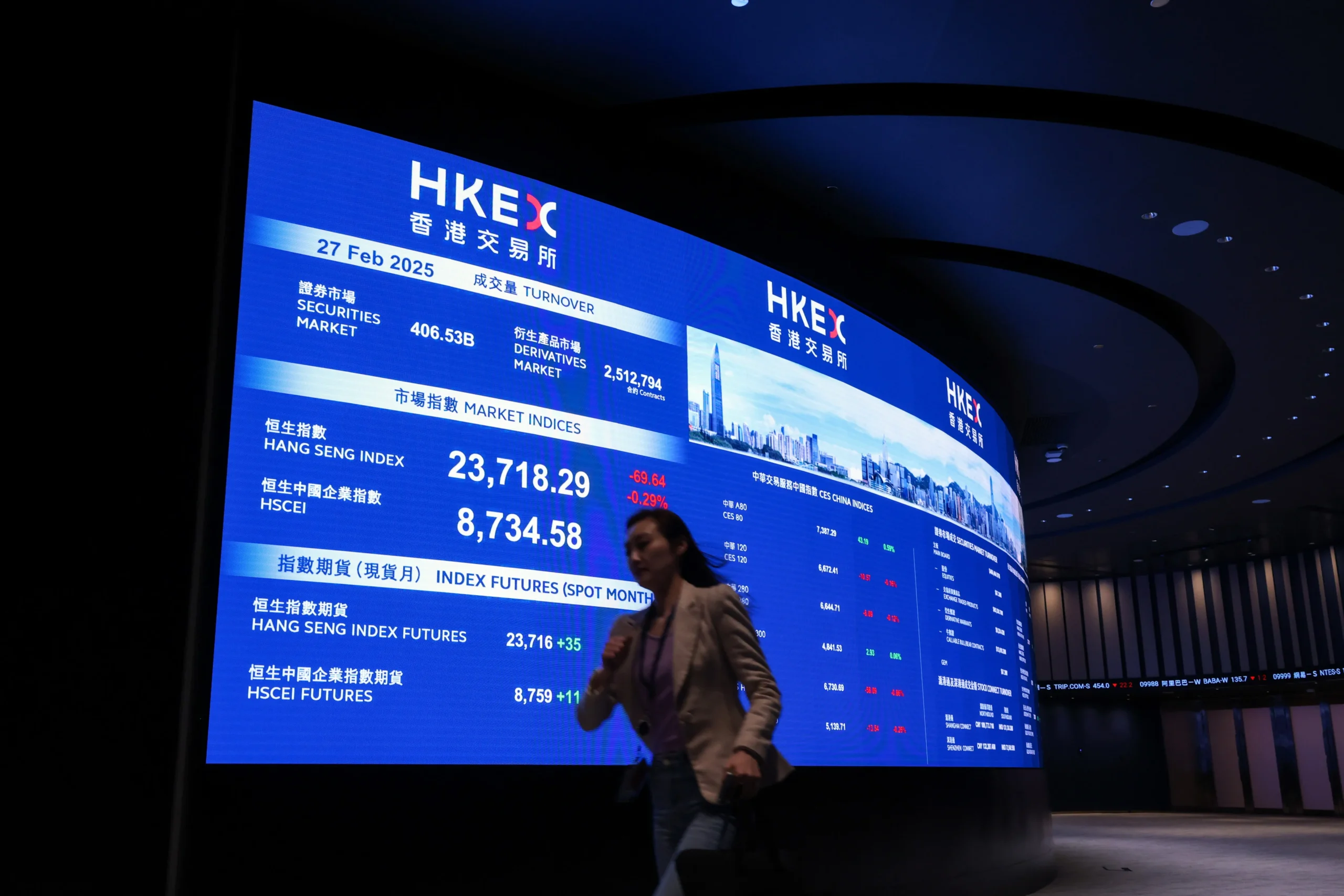
The StepFun Hong Kong IPO strategy highlights a growing trend among startups navigating regulatory changes. As overseas listings become more complex, companies are shifting toward regional financial centers that offer both compliance and capital access.
Consequently, StepFun’s move signals how policy is increasingly shaping capital market strategies in China’s tech ecosystem.
Policy shifts reshape startup listing pathways
China has tightened oversight on overseas listings in recent years, especially for technology firms dealing with sensitive data. Authorities are encouraging companies to list within domestic or closely aligned markets.
Hong Kong has emerged as a preferred destination. It provides access to global investors while remaining aligned with China’s regulatory framework.
At the same time, scrutiny around offshore structures has increased. Many startups previously used complex ownership setups to access international capital markets.
Meanwhile, domestic investors are showing stronger interest in AI and technology companies. This shift has strengthened local capital markets.
Therefore, startups are reassessing their listing strategies to align with new regulatory realities.
Restructuring to unlock IPO access
The StepFun Hong Kong IPO strategy focuses on simplifying its corporate framework.
The company is unwinding offshore structures and relocating key operations into compliant jurisdictions. This helps meet regulatory requirements and improves transparency.
In addition, StepFun is strengthening governance practices. Clear financial reporting and regulatory compliance are critical for IPO approval.
Meanwhile, the company is positioning itself for domestic investor interest. Aligning with local policies increases attractiveness to institutional investors.
The restructuring also enables smoother access to capital markets. It reduces regulatory risks and improves listing prospects.
As a result, StepFun is preparing for a more stable and scalable public market entry.
Regulatory alignment becomes growth strategy
The StepFun Hong Kong IPO strategy reflects a broader transformation in startup ecosystems.
Policy is no longer just a constraint. It is becoming a central factor in shaping business and funding strategies.
Startups are adapting their structures to align with national priorities. This includes data security, governance, and capital market participation.
At the same time, local listings are gaining importance. They provide access to capital while ensuring regulatory compliance.
However, restructuring can be complex. Companies must balance operational efficiency with regulatory alignment.
Therefore, execution and strategic planning are critical.
Domestic markets to drive AI startup funding
Looking ahead, domestic and regional capital markets are expected to play a larger role in funding AI startups.
Several factors support this trend:
- Strong government support for strategic sectors
- Increasing investor interest in AI companies
- Growth of Hong Kong as a listing hub
- Continued regulatory evolution
StepFun may proceed with its IPO once restructuring is complete. The company could also expand partnerships to strengthen its market position.
Meanwhile, other startups are likely to follow similar approaches. Aligning with domestic markets will become a common strategy.
Therefore, the shift toward local capital markets is expected to continue.
StepFun aligns structure with evolving capital landscape
StepFun’s restructuring for a Hong Kong IPO marks a strategic response to changing regulatory conditions. By aligning its corporate framework with domestic requirements, the company is positioning itself to access new funding opportunities.
As the global landscape evolves, startups must adapt to both market and policy dynamics. The StepFun Hong Kong IPO strategy demonstrates how regulatory alignment can drive long-term growth and capital access.