





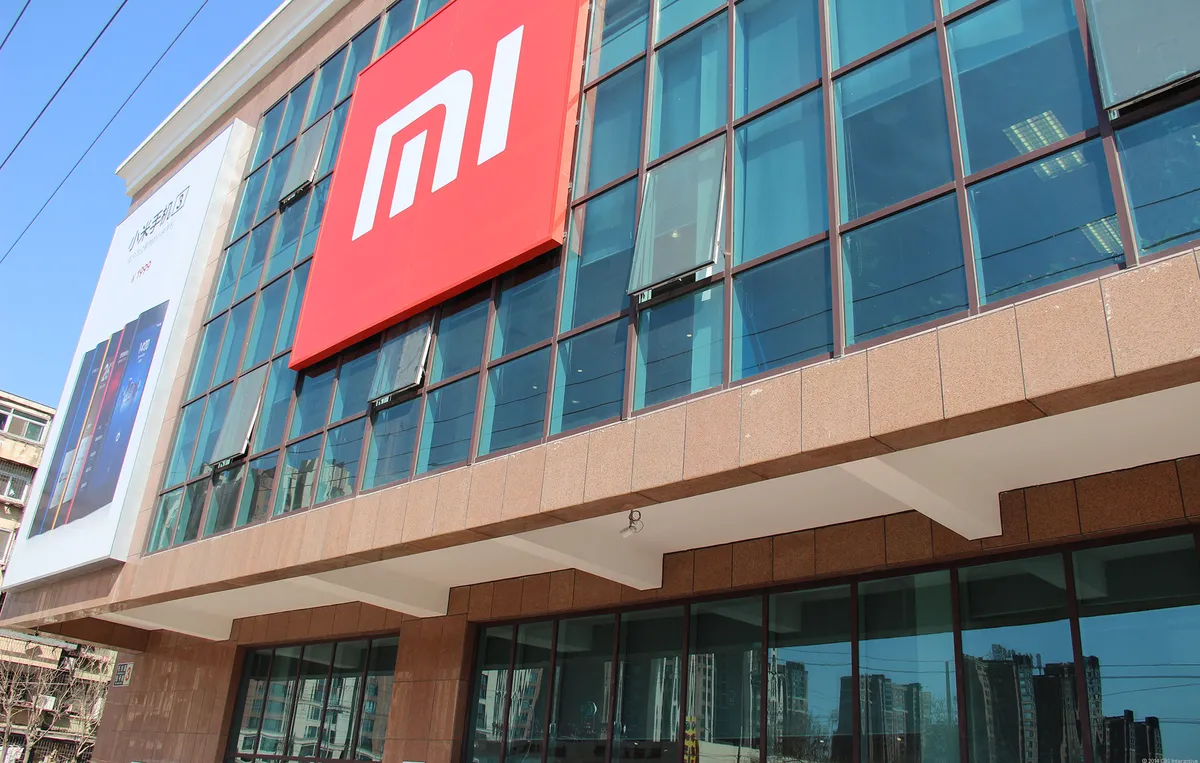
Xiaomi revenue growth
Chinese tech giant Xiaomi has reported a 30.5% revenue growth in Q2 2025, driven by strong smartphone sales in Southeast Asia. The company’s performance reflects robust consumer electronics demand and a steady recovery across regional markets. As global demand for smartphones stabilizes, Xiaomi’s strategy of focusing on affordable yet innovative devices is paying off, particularly in emerging economies where digital adoption is rising quickly.
From China to Southeast Asia expansion
Founded in 2010, Xiaomi grew rapidly from a budget smartphone maker into a global consumer electronics brand. While it faced stiff competition in its home market from Huawei, Oppo, and Vivo, the company gained traction internationally by offering value-for-money products with advanced features.
In recent years, Southeast Asia has become one of Xiaomi’s fastest-growing markets. Countries like Indonesia, Vietnam, and Thailand are witnessing a surge in smartphone penetration, supported by rising middle-class incomes and expanding internet infrastructure. Xiaomi’s mix of competitive pricing and localized marketing helped the brand capture millions of new users.
Moreover, the company expanded its product range beyond smartphones. From smart TVs to wearables and home appliances, Xiaomi created an ecosystem that resonates with price-conscious consumers. This diversification strategy has made the brand resilient in times of market volatility.
Strategic moves driving Xiaomi revenue growth
Several factors explain Xiaomi’s latest performance surge. First, the brand doubled down on Southeast Asia distribution partnerships, working with telecom operators and e-commerce platforms to boost accessibility. The company also strengthened its offline retail presence by opening flagship Mi Stores in key urban centers.
Second, Xiaomi invested heavily in 5G-enabled devices at competitive price points. As more Southeast Asian nations rolled out 5G networks, demand for mid-range smartphones grew. Xiaomi positioned itself as a go-to brand for users seeking high performance without premium pricing.
Third, the brand adopted a localized strategy. For example, in Indonesia, Xiaomi collaborated with local payment platforms to offer easy installment plans. In Vietnam, it launched targeted online campaigns highlighting camera quality and gaming features—two consumer priorities in that market.
Moreover, Xiaomi’s ecosystem approach added momentum. Sales of wearables, smart home devices, and tablets contributed to revenue alongside smartphones. This not only increased average revenue per user but also strengthened brand loyalty.
Balancing growth with competition
From an editorial perspective, Xiaomi’s 30.5% Q2 revenue growth demonstrates the strength of its regional strategy. Yet, the path ahead is not without challenges. The Southeast Asian smartphone market is intensely competitive, with Samsung, Oppo, and Realme all vying for the same consumer base. Price wars could erode margins even as volumes increase.
However, Xiaomi enjoys an advantage in consumer perception. Its ability to deliver affordable innovation resonates strongly in emerging economies where buyers are value-driven. Moreover, its strong after-sales service and active user community give it a cultural edge.
Another important aspect is China’s slowing domestic market, which has pushed Xiaomi to diversify internationally. Success in Southeast Asia reduces over-reliance on its home base. At the same time, geopolitical and regulatory risks remain, especially as governments across Asia tighten rules on data privacy and foreign investment.
Still, the company’s adaptability is clear. By combining aggressive pricing, tech innovation, and a diversified ecosystem, Xiaomi has positioned itself as more than just a smartphone brand. It is evolving into a regional consumer electronics leader.
Sustaining Xiaomi revenue growth
Looking forward, Xiaomi is expected to build further momentum in Southeast Asia. Analysts suggest that the next wave of growth will come from AI-driven features in smartphones and smart devices. As consumers upgrade, demand for smarter, interconnected ecosystems will increase, and Xiaomi is well placed to meet that trend.
Moreover, the rollout of 5G and digital payment solutions across ASEAN markets provides a fertile ground for growth. Xiaomi may also expand manufacturing partnerships within the region to reduce costs and manage supply chain risks.
However, sustainability will be key. Investors and consumers are paying attention to how tech firms address e-waste and carbon emissions. Xiaomi has already announced efforts in recycling and eco-friendly packaging, which could enhance its reputation and long-term competitiveness.
In sum, the strong Q2 results show that Xiaomi’s Southeast Asia strategy is working. If the company continues to innovate while addressing risks, it could transform from a challenger brand into a dominant force across emerging markets.
Xiaomi revenue growth as a sign of resilience
Xiaomi’s impressive 30.5% revenue growth in Q2 underscores the company’s resilience and strategic focus. By capitalizing on smartphone demand in Southeast Asia and expanding its consumer ecosystem, Xiaomi has strengthened its regional presence.
The road ahead will require careful balancing of growth and competition, but the brand has shown adaptability. As Southeast Asia’s digital economy expands, Xiaomi revenue growth could become a consistent driver not only for the company but also for the wider regional electronics market.