
GMR AIFF commercial rights bid signals major shift in Indian football
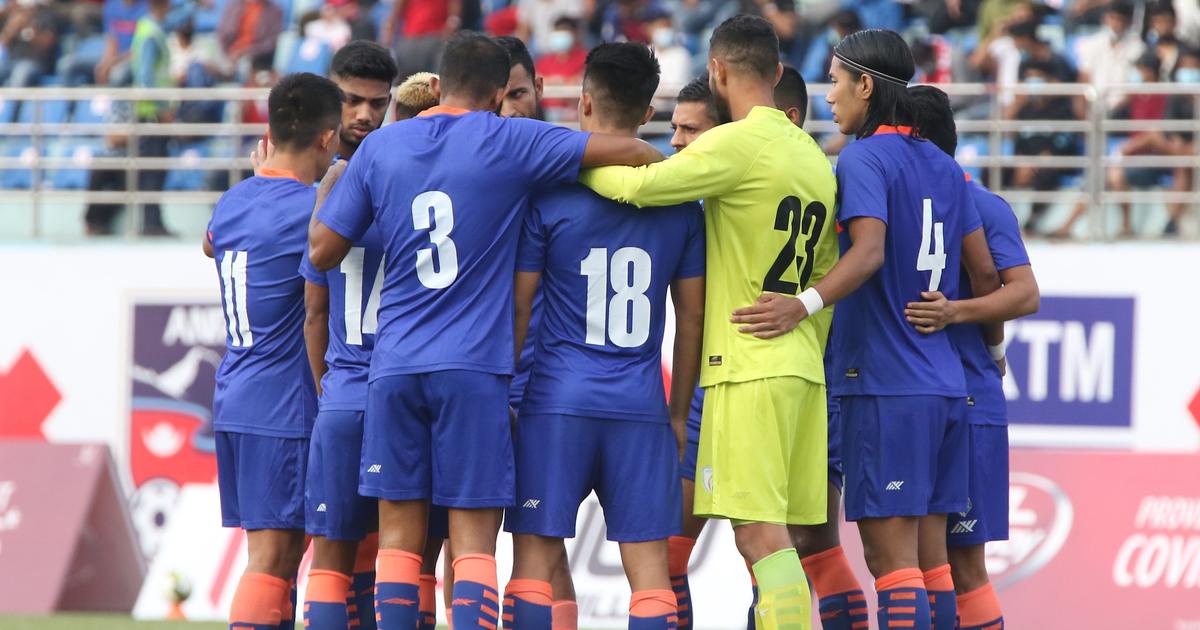
GMR Sports, part of the GMR Group, has expressed interest in acquiring the commercial rights of the All India Football Federation (AIFF), signaling a potential restructuring of how Indian football is managed, monetized, and marketed. The move could redefine sponsorship, broadcasting, and league development across the country.
The GMR AIFF commercial rights development highlights a broader shift toward privatization and commercialization in Indian football. As global sports increasingly adopt professional management models, India is now exploring similar structures to unlock value and drive growth.
Consequently, the proposal could mark a turning point in how football operates as a business in one of Asia’s largest sports markets.
AIFF seeks new commercial direction after transition phase
The All India Football Federation (AIFF), governed under frameworks influenced by the Ministry of Youth Affairs and Sports, has historically overseen football development, national teams, and league structures in India.
However, the commercial side of Indian football has faced challenges.
For years, AIFF partnered with private entities to manage media rights, sponsorships, and league commercialization. The most notable example was the long-term agreement with IMG-Reliance, which played a key role in launching the Indian Super League (ISL).
Despite progress, issues such as inconsistent revenue generation, fragmented league structures, and governance challenges have limited the sport’s commercial potential.
At the same time, football in India continues to grow in popularity, particularly among younger audiences and urban consumers.
The need for a more structured and commercially driven approach has therefore become increasingly important.
GMR aims to restructure commercial and media ecosystem
GMR Sports’ interest in acquiring AIFF commercial rights reflects a strategic effort to bring professional management and long-term investment into Indian football.
The company already has significant experience in sports management.
It co-owns the Delhi Capitals franchise in the Indian Premier League (IPL) and has been involved in infrastructure and event management across multiple sports.
If successful, GMR could take control of key commercial areas including:
Sponsorship and brand partnerships
Broadcasting and media rights
League commercialization and expansion
Grassroots and talent development initiatives
This integrated approach could help align different parts of the football ecosystem under a unified commercial strategy.
Moreover, GMR’s corporate experience may enable better negotiation of sponsorship deals and media contracts, potentially increasing revenue streams for the sport.
The involvement of private capital could also support long-term investments in infrastructure, academies, and fan engagement.
Indian football seeks parity with cricket’s commercial success
The GMR AIFF commercial rights bid comes in the context of India’s broader sports economy, which is heavily dominated by cricket.
Leagues such as the IPL have demonstrated how professional management, media rights, and sponsorship deals can transform a sport into a multi-billion-dollar industry.
Football, however, has not yet reached similar levels of commercialization.
The Indian Super League has made progress, attracting investment from corporations and international partners. However, revenue generation and global competitiveness remain limited compared to cricket.
Other stakeholders, including corporate groups and global sports management firms, may also express interest in AIFF’s commercial rights.
Companies such as Reliance Industries, JSW Sports, and international agencies have previously invested in Indian sports properties.
As a result, competition for control of football’s commercial rights could intensify.
Privatization could unlock football’s commercial potential
The potential involvement of GMR Sports highlights a broader trend toward privatization in sports governance.
Globally, professional leagues and federations increasingly rely on private entities to manage commercial operations.
This model allows governing bodies to focus on regulation and development while private partners drive revenue growth and innovation.
For Indian football, such a shift could address long-standing structural challenges.
Private operators can introduce professional management practices, data-driven decision-making, and global marketing strategies.
However, the transition must be carefully managed.
Balancing commercial objectives with grassroots development and national team performance will be critical.
Transparency and governance standards will also play an important role in ensuring long-term success.
Indian football at a potential inflection point
Looking ahead, the outcome of the GMR AIFF commercial rights bid could significantly shape the future of Indian football.
If the deal proceeds, it may lead to:
Stronger sponsorship and media deals
Increased investment in leagues and infrastructure
Improved fan engagement and digital platforms
Greater alignment with global football standards
Government bodies such as the Sports Authority of India (SAI) and regulatory frameworks will continue to influence the direction of the sport.
At the same time, collaboration between private operators and football authorities will be essential to drive sustainable growth.
India’s large population and growing sports audience present a significant opportunity.
With the right commercial structure, football could emerge as a major contributor to the country’s sports economy.
GMR bid signals new era for Indian football commercialization
GMR Sports’ interest in acquiring AIFF commercial rights marks a potentially transformative moment for Indian football. By introducing professional management and private investment, the move could unlock new revenue streams and elevate the sport’s commercial profile.
As India looks to diversify its sports ecosystem beyond cricket, initiatives such as this may play a key role in shaping the future of football in the country and across the region.