




Hong Kong women's football seeks crucial backing for next stage
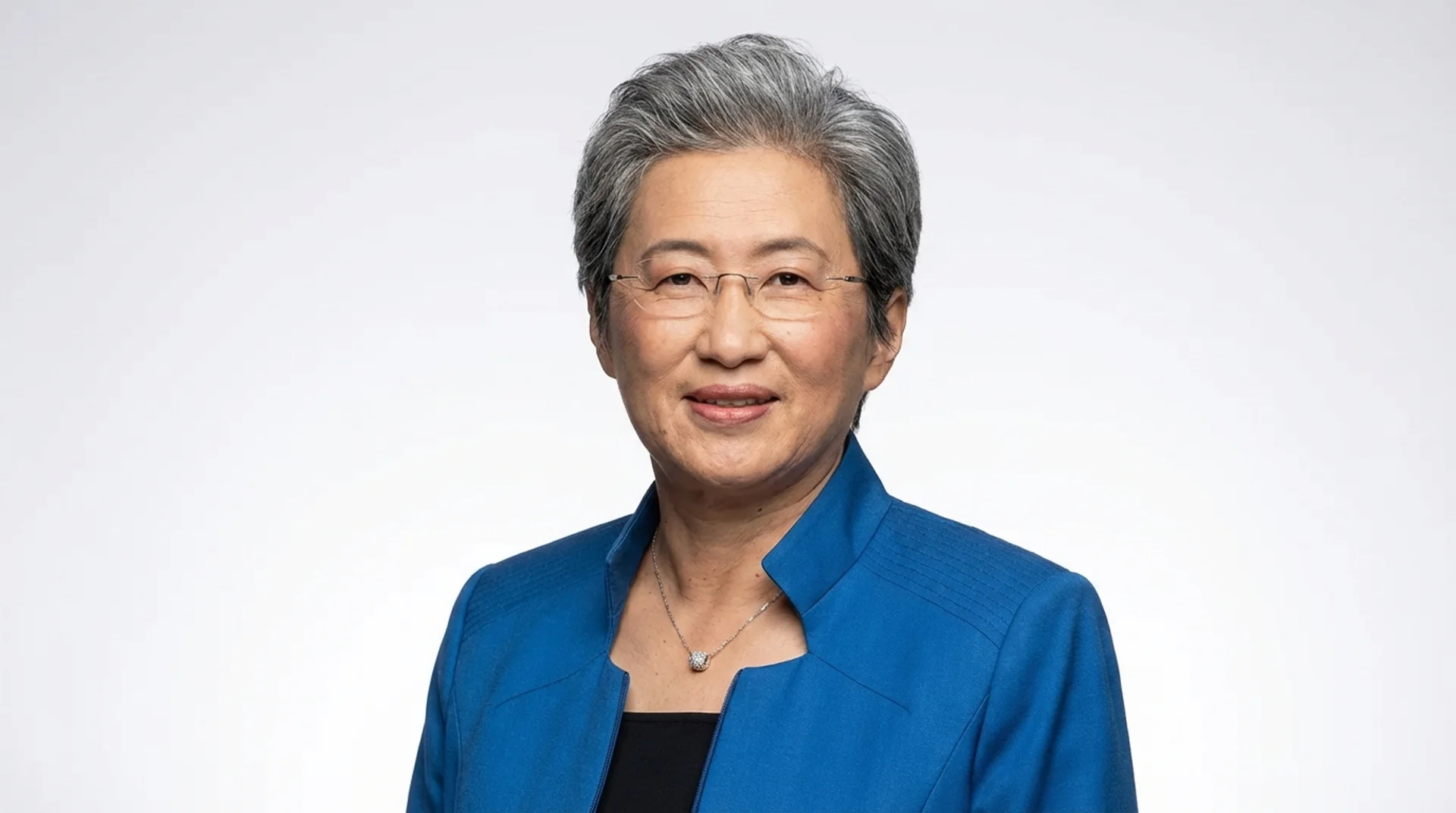
As Hong Kong’s national women’s football team eyes qualification for the AFC Women’s Asian Cup 2026, defender and team veteran Vicky Chung has publicly called on the government and private sector to invest more seriously in the women’s game. With training resources, development pipelines, and competitive opportunities still limited, Chung’s appeal highlights the challenges and potential of women’s football in one of Asia’s most vibrant cities.
The spotlight on Hong Kong women’s football reflects a broader demand for equity and infrastructure in women’s sports across Asia, especially as regional tournaments gain prominence and participation surges at grassroots levels.
A legacy overlooked despite talent
Hong Kong has a long, if underappreciated, history in women’s football. The national team has participated in multiple Asian Cup qualifying cycles and regional tournaments, often with minimal funding and limited media coverage. Despite these constraints, players like Vicky Chung, Cheung Wai Ki, and Chan Wing Sze have become flag bearers for the sport in the city.
Yet, unlike their counterparts in Japan, South Korea, or even emerging ASEAN football nations like Vietnam and the Philippines, Hong Kong’s female footballers often juggle full-time jobs or studies alongside their athletic commitments. The Hong Kong Football Association (HKFA) has made incremental progress by increasing training sessions and expanding youth leagues, but systemic backing remains sparse.
In Chung’s recent comments to local media, she emphasized, “We train with heart, but heart alone won’t get us to the Asian Cup. We need financial backing, better facilities, and a vision that includes women.”
Rising regional interest in women’s football
Across Asia, investment in women’s football is on the rise. In 2022, the Philippines made global headlines by qualifying for the FIFA Women’s World Cup. Japan and China continue to dominate the Asian football landscape, buoyed by dedicated leagues, corporate sponsorships, and government-supported development.
Hong Kong, by contrast, has yet to professionalize its domestic women’s league. Matches are often held on school pitches or secondary grounds, with few full-time players or coaches. A lack of marketing and broadcast exposure further diminishes fan engagement and potential revenue streams.
Yet the appetite for change is clear. In a 2024 survey by the Women in Sports Foundation Asia, over 70% of respondents in Hong Kong said they would watch women’s football if matches were televised or accessible online. Corporate partners are also starting to show interest. Sportswear brands and tech firms such as Decathlon and Lenovo have expressed exploratory interest in grassroots sponsorships, provided a structured plan is in place.
If properly leveraged, Hong Kong’s cultural status and regional media reach could help transform the team into a high-visibility brand — both for sport and gender equity.
Vicky Chung’s message resonates beyond sport
Vicky Chung’s advocacy arrives at a pivotal moment. With the AFC Women’s Asian Cup qualifiers scheduled for early 2026, preparations must begin now — not just in training, but in funding, planning, and public support. Her call is a microcosm of a larger issue: the systemic undervaluing of women’s sports in Asia despite demonstrated performance and growing fan bases.
More importantly, Chung’s message aligns with broader gender-equality goals set forth by Hong Kong’s Education and Manpower Bureau and the Equal Opportunities Commission. Elevating women’s sports is no longer simply about winning matches; it’s about empowering future generations, creating career pathways, and reshaping societal attitudes.
Additionally, the Greater Bay Area Sports Development Initiative presents a new opportunity. If the HKFA and related bodies integrate Hong Kong’s women’s team into cross-border exchanges with Guangdong and Macau, it could unlock new regional funding and visibility channels.
From passion project to policy priority
The road to the AFC Women’s Asian Cup 2026 offers Hong Kong a tangible, time-bound opportunity to showcase its commitment to gender equity in sports. With growing momentum, the key now lies in translating advocacy into action.
To meet qualification standards and become competitive on a continental level, the HKFA and Sports Federation & Olympic Committee of Hong Kong (SF&OC) must:
Launch a high-performance program specifically for the women’s team
Provide year-round stipends or contracts for national players
Invest in coaching, medical, and analytics support
Facilitate at least 10 high-level friendlies before the qualifiers
The private sector, too, has a role to play — from sponsorships and scholarships to CSR-driven partnerships with schools and NGOs.
If these pillars come together, Hong Kong could move from a part-time team to a professional outfit capable of competing with Asia’s best.
It's time to back Hong Kong's women footballers
Hong Kong women’s football stands at a critical crossroads. Vicky Chung’s call for support is not a plea — it’s a strategic blueprint for empowerment through sport. As Asia’s women’s football ecosystem continues to evolve, Hong Kong has a unique opportunity to be a leader rather than a laggard.
Whether the city embraces this chance depends not just on the players’ dedication, but on the will of policymakers, sponsors, and fans to invest in the future of the game — and the women who play it.