





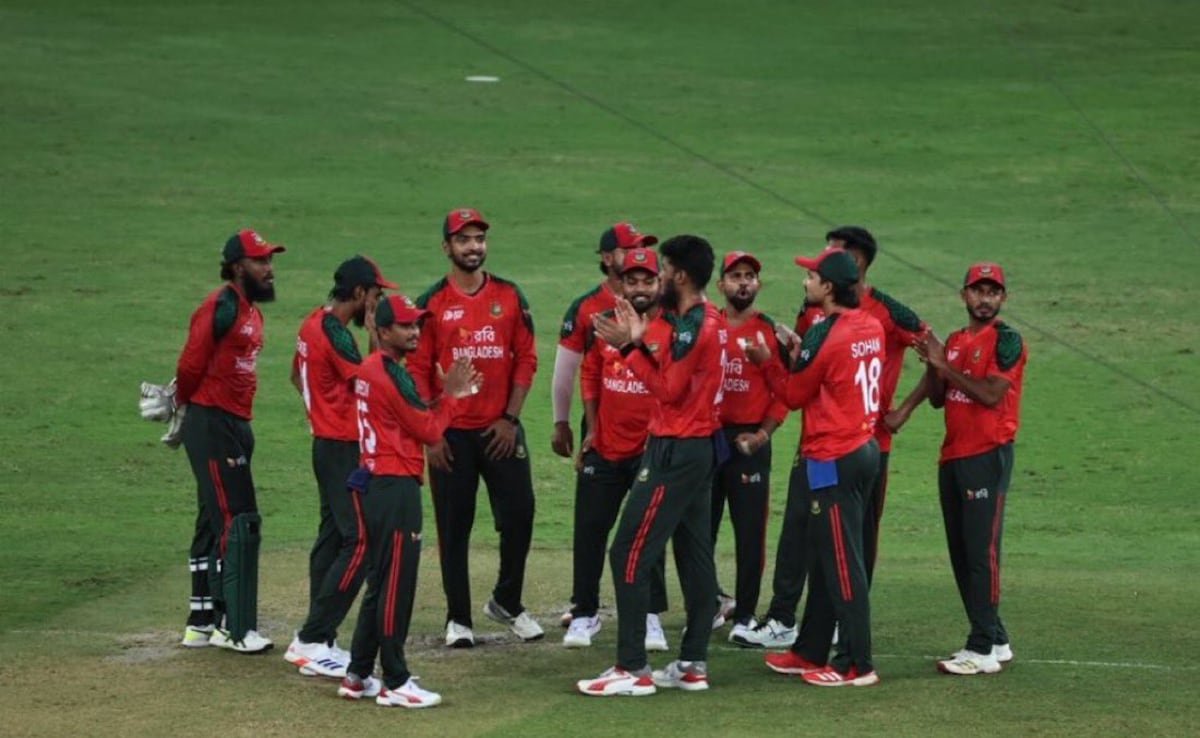
ICC decision escalates World Cup scheduling tensions
The International Cricket Council (ICC) has rejected a request from the Bangladesh Cricket Board (BCB) to relocate Bangladesh’s T20 World Cup matches from India to Sri Lanka, confirming that the existing tournament schedule will remain unchanged. The ruling raises the possibility that Bangladesh could face withdrawal or disqualification if it refuses to participate under the approved hosting plan.
The decision has added a new layer of tension to regional cricket diplomacy. While the ICC has reaffirmed its authority over tournament logistics, the situation has drawn support for Bangladesh from the Pakistan Cricket Board (PCB), which backed the appeal and urged greater flexibility in host arrangements.
Why Bangladesh sought a venue change
Bangladesh’s request was rooted in concerns related to logistics, team preparation, and political sensitivities surrounding playing in India. While the BCB did not frame the issue as a security threat, it argued that shifting matches to a neutral venue such as Sri Lanka would help reduce off-field pressures during a high-stakes global tournament.
In recent years, cricket scheduling in South Asia has increasingly intersected with diplomatic considerations. Bilateral series have faced delays, relocations, and cancellations due to political relations, visa issues, and governance disputes. As a result, tournament hosting has become more complex, particularly for multi-nation events.
For the ICC, maintaining clarity and consistency in World Cup planning has become a priority. Host nations invest heavily in infrastructure, commercial partnerships, and logistics years in advance, leaving limited scope for late-stage venue changes.
ICC asserts authority over tournament governance
By rejecting the BCB’s request, the ICC has reinforced its role as the final arbiter of global cricket events. The governing body emphasised that venue decisions follow extensive consultation, risk assessment, and contractual commitments with host boards.
India, as the designated host, has already aligned with the ICC on operational readiness, scheduling, and broadcast planning. Moving matches at this stage would disrupt commercial arrangements and set a precedent that could complicate future tournaments.
The ICC’s stance also sends a broader message to member boards. While concerns may be raised through formal channels, participation in ICC events requires adherence to centrally approved frameworks. Any refusal to play could trigger disciplinary processes under ICC regulations.
Cricket diplomacy is testing governance limits
The situation highlights how international cricket governance is increasingly tested by regional politics. While the sport operates under global rules, national boards remain deeply influenced by domestic considerations and bilateral relations.
Bangladesh’s position reflects the challenges smaller boards face when navigating global tournaments dominated by major host nations. At the same time, the ICC must balance inclusivity with operational discipline to protect the integrity of its flagship events.
Support from the Pakistan Cricket Board adds another layer to the issue. Although symbolic, the backing underscores how alliances can form around governance disputes, even when outcomes remain unchanged. These dynamics suggest that cricket diplomacy will continue to shape tournament narratives beyond the field.
What happens if Bangladesh refuses to play
If Bangladesh ultimately declines to participate, the ICC could enforce penalties ranging from forfeiture of matches to potential tournament exclusion. Such an outcome would carry sporting, financial, and reputational consequences for the BCB.
From a competitive standpoint, Bangladesh’s absence would alter group dynamics and scheduling. Commercially, broadcasters and sponsors would face disruptions, although contingency plans exist for such scenarios.
Looking ahead, the dispute may prompt renewed discussion within the ICC about neutral venue frameworks, flexibility clauses, and dispute-resolution mechanisms. As cricket expands across regions with complex political relationships, governance models may need to evolve accordingly.
A firm ruling with wider implications for global cricket
The ICC’s rejection of Bangladesh’s request to shift T20 World Cup matches from India marks a firm assertion of central authority over tournament governance. While the decision preserves operational stability, it also exposes ongoing tensions between global administration and regional realities.
As the World Cup approaches, attention will now focus on whether Bangladesh complies with the schedule or escalates the dispute further. Regardless of the outcome, the episode highlights how cricket diplomacy is becoming an increasingly influential force in shaping the modern international game.