




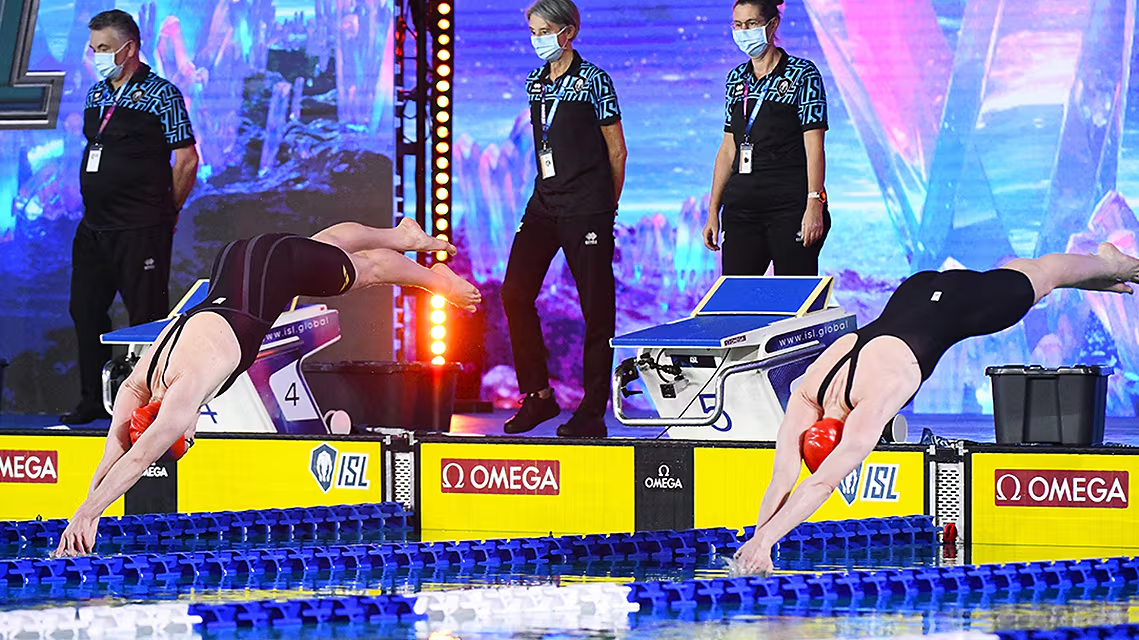
International Swimming League relaunch aims to revive a stalled experiment
The International Swimming League is planning a 2026 relaunch after a three-year hiatus triggered by the COVID-19 pandemic and subsequent geopolitical disruptions. The league, which once promised to transform professional swimming through team-based competition and guaranteed athlete pay, is now preparing a return with a restructured commercial model and renewed funding support.
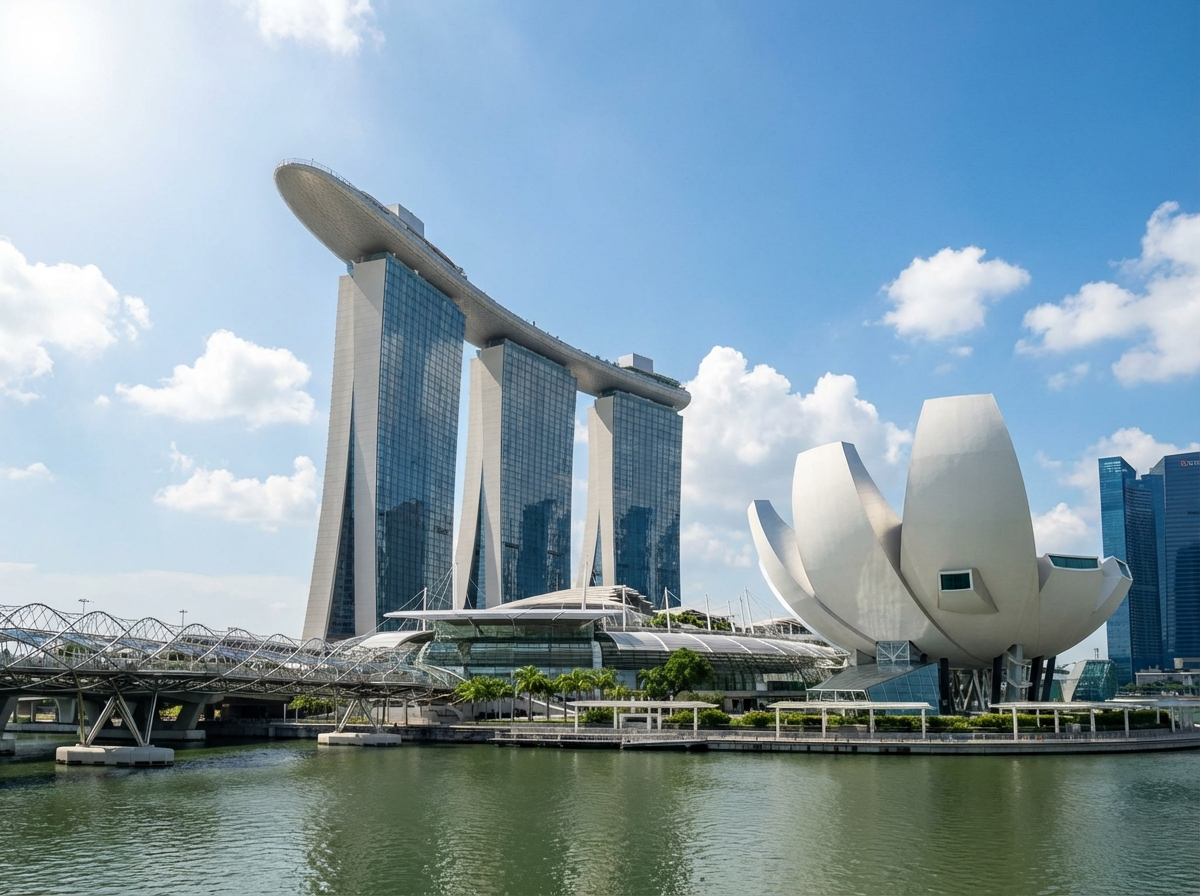
Importantly for Asia, the relaunch blueprint includes hosting events across multiple regions, with Asia identified as a potential growth market. The move suggests that the ISL’s revival is not simply about resuming races, but about rebuilding a global swimming product that aligns better with commercial realities and regional audience demand.
Why the International Swimming League paused and why it still matters
The ISL launched with bold ambition. It sought to professionalise swimming beyond the Olympic cycle by offering athletes regular competition, team contracts, and prize money. Early seasons attracted top Olympic swimmers and generated global attention, but the model faced financial strain as pandemic-era disruptions wiped out live events and strained sponsorship pipelines.
Geopolitical uncertainty further complicated operations, particularly for a league that relied on international travel and cross-border team ownership. By 2022, the ISL effectively paused activity, leaving questions over whether the concept could survive. Yet the league’s original premise still resonates, as swimming remains one of the world’s most-watched Olympic sports with limited professional outlets outside major championships.
The continued interest in a relaunch reflects a wider gap in the sport. Elite swimmers often depend on national federations or short-term sponsorships, while fans lack a consistent league narrative. The ISL’s return attempt suggests that stakeholders still believe a club-based global swimming league can work if structured differently.
How the ISL plans to rebuild its model
The proposed 2026 relaunch centres on restructuring the league’s commercial foundation. Instead of rapid expansion and heavy upfront spending, the ISL is expected to prioritise cost discipline, fewer teams, and more sustainable revenue sharing between organisers, teams, and athletes. This shift reflects lessons learned from the league’s earlier reliance on central funding and aggressive growth assumptions.
Another strategic adjustment involves event geography. By spreading competitions across regions rather than concentrating them in a few hubs, the ISL aims to unlock local sponsorship, broadcast partnerships, and fan engagement. Asia features prominently in these discussions due to its strong swimming federations, large urban audiences, and growing appetite for international sports leagues beyond football.
The league is also expected to revisit athlete contracts and team ownership structures. Providing clearer incentives for investors, while ensuring athletes retain predictable earnings, will be critical. This balancing act will define whether the ISL can attract both elite swimmers and long-term commercial partners in its second iteration.
Why Asia could matter more this time
Asia’s inclusion is not incidental. Over the past decade, countries such as Japan, China, and Singapore have invested heavily in aquatic infrastructure, grassroots development, and elite training programmes. Major cities in the region are capable of hosting broadcast-ready swimming events with strong logistical support and regional sponsorship interest.
From a commercial perspective, Asia offers something the ISL previously lacked: diversified revenue potential. A league that depends solely on Western sponsors and audiences faces concentration risk. By integrating Asia into its calendar, the ISL can tap into new broadcasters, consumer brands, and government-backed sports initiatives that view global events as soft-power and tourism assets.
However, Asia’s importance also raises execution risks. Swimming is popular during Olympic cycles, but league-format engagement is still unproven in many markets. The ISL will need to localise storytelling, build team identities that resonate regionally, and avoid treating Asia as a passive host market rather than an active stakeholder in the league’s growth.
What will determine the success of a 2026 comeback
The first test will be funding stability. A credible relaunch requires multi-year financial backing, not one-season optimism. Observers will watch whether the ISL secures investors aligned with long-term sports development rather than short-term visibility.
The second test is athlete buy-in. Top swimmers now have more leverage, particularly as NIL-style sponsorships and digital platforms expand. If the ISL can offer scheduling flexibility, fair compensation, and strong media exposure, it can regain trust. If not, participation may be selective rather than comprehensive.
Finally, regional execution will matter. Asia-hosted events must feel integral to the league, not experimental add-ons. Successful integration could position Asia as a core pillar of global swimming’s professional future. Failure would reinforce skepticism about whether swimming can sustain a global league outside the Olympic spotlight.
International Swimming League relaunch is a second chance, not a guarantee
The planned International Swimming League relaunch in 2026 represents a second attempt to redefine professional swimming. With a reworked commercial model, renewed funding discussions, and an expanded regional vision that includes Asia, the league is trying to correct past structural weaknesses rather than repeat them.
Whether the comeback succeeds will depend on discipline more than ambition. Swimming’s global appeal is unquestioned, but turning it into a sustainable league product requires patience, regional sensitivity, and financial realism. If the ISL can deliver on those fronts, its return could reshape how elite swimming is experienced beyond the Olympic stage.