




FanCode signals reset in Indian football media economics
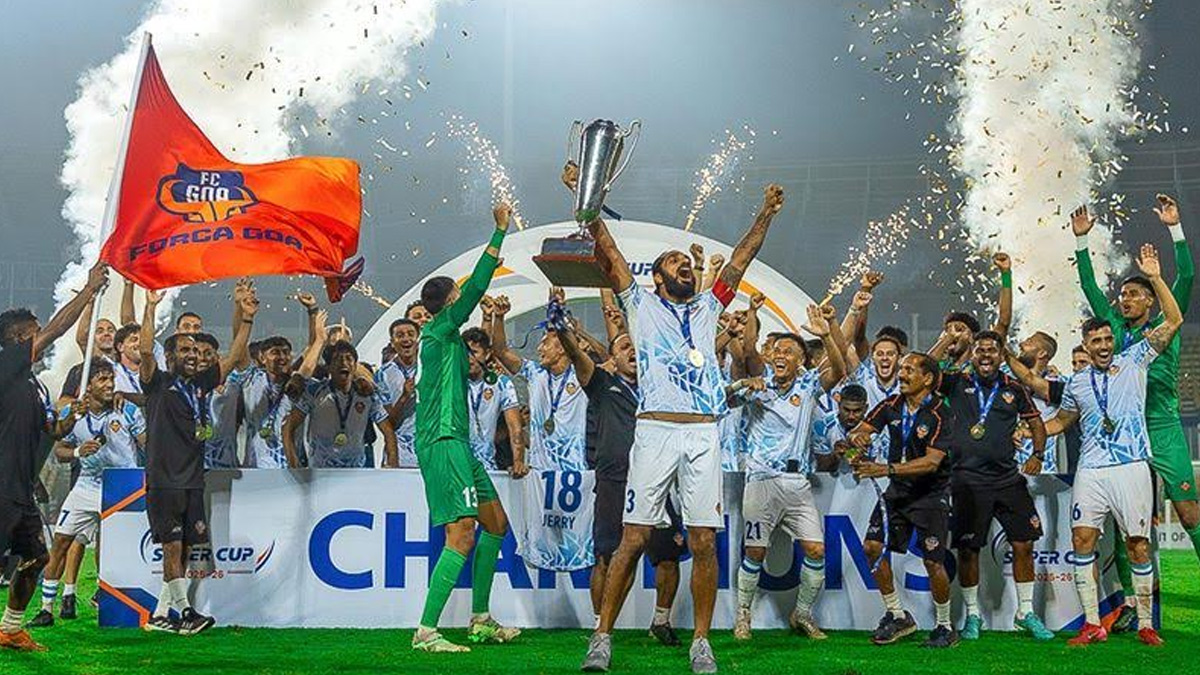
FanCode has secured the commercial and digital streaming rights for the Indian Super League (ISL) at a significantly reduced valuation, marking a clear reset in India’s football media economics. The development reflects a broader market correction in sports broadcasting deals across Asia.
The shift comes as rights holders reassess revenue expectations and platform strategies. With ISL governed by Football Sports Development Limited (FSDL) under the umbrella of the All India Football Federation (AIFF), the new agreement signals a recalibration of value in the domestic football ecosystem.
From aggressive valuations to measured growth
When the ISL launched, it positioned itself as India’s flagship football league with strong commercial backing and premium broadcast deals. Corporate sponsors, international partnerships, and broadcaster competition initially drove high valuations.
However, sports media markets across Asia have entered a more disciplined phase. Rising content costs, fluctuating advertising revenue, and subscription fatigue have forced digital platforms to reassess spending.
In India, cricket continues to dominate viewership and commercial investment. Therefore, football rights must now compete within tighter budgets and clearer performance expectations. The reduced valuation reflects this evolving market logic.
FanCode strengthens its sports streaming portfolio
FanCode’s acquisition aligns with its broader strategy to deepen sports streaming reach beyond cricket. The company, backed by the Dream Sports ecosystem, has steadily expanded into football, motorsports, and niche competitions.
By securing ISL rights at a more sustainable valuation, FanCode gains premium domestic football inventory without excessive financial exposure. This approach supports long-term monetization rather than short-term headline spending.
For ISL stakeholders, including FSDL and AIFF, the deal ensures continued digital distribution and commercial stability. A balanced rights agreement reduces risk while maintaining league visibility.
Moreover, digital-first streaming allows targeted engagement. FanCode can leverage data analytics, flexible subscription models, and interactive features to build audience loyalty over time.
Market correction reflects maturing sports economics
The ISL rights reset highlights a broader trend in Asian sports media. Early expansion often comes with aggressive valuations. However, long-term sustainability demands realistic pricing aligned with actual audience growth.
Indian football has expanded steadily, yet it has not matched the commercial scale of cricket. Consequently, rights valuations must reflect market depth and advertiser demand.
This recalibration does not signal decline. Instead, it indicates maturity. When media economics stabilise, leagues gain clearer revenue visibility and partners operate with healthier margins.
Importantly, disciplined valuation may attract more consistent investors and broadcasters in the future.
Digital monetization defines next growth phase
Looking ahead, ISL’s growth trajectory will depend on digital engagement rather than headline rights fees. FanCode’s streaming-led model enables flexible pricing, bundled subscriptions, and targeted sponsorship integration.
In the near term, audience expansion will remain critical. Collaboration between ISL clubs, FSDL, and FanCode can enhance grassroots outreach and regional marketing.
Over the medium term, improved youth development and competitive quality may increase long-term viewership. Support from bodies such as the Ministry of Youth Affairs and Sports can also strengthen ecosystem credibility.
If monetization aligns with sustainable audience growth, ISL could rebuild commercial momentum gradually rather than through speculative valuation spikes.
Sustainable pricing reshapes Indian football media landscape
FanCode’s ISL rights acquisition at a lower valuation marks a turning point in Indian football’s commercial strategy. The agreement reflects pragmatic adjustment rather than retreat.
As Asian sports markets mature, disciplined pricing and digital innovation will shape long-term success. For Indian football, the reset may provide a stronger foundation for steady and sustainable growth.