


JioStar IPL Bangladesh disruption impacts regional cricket reach
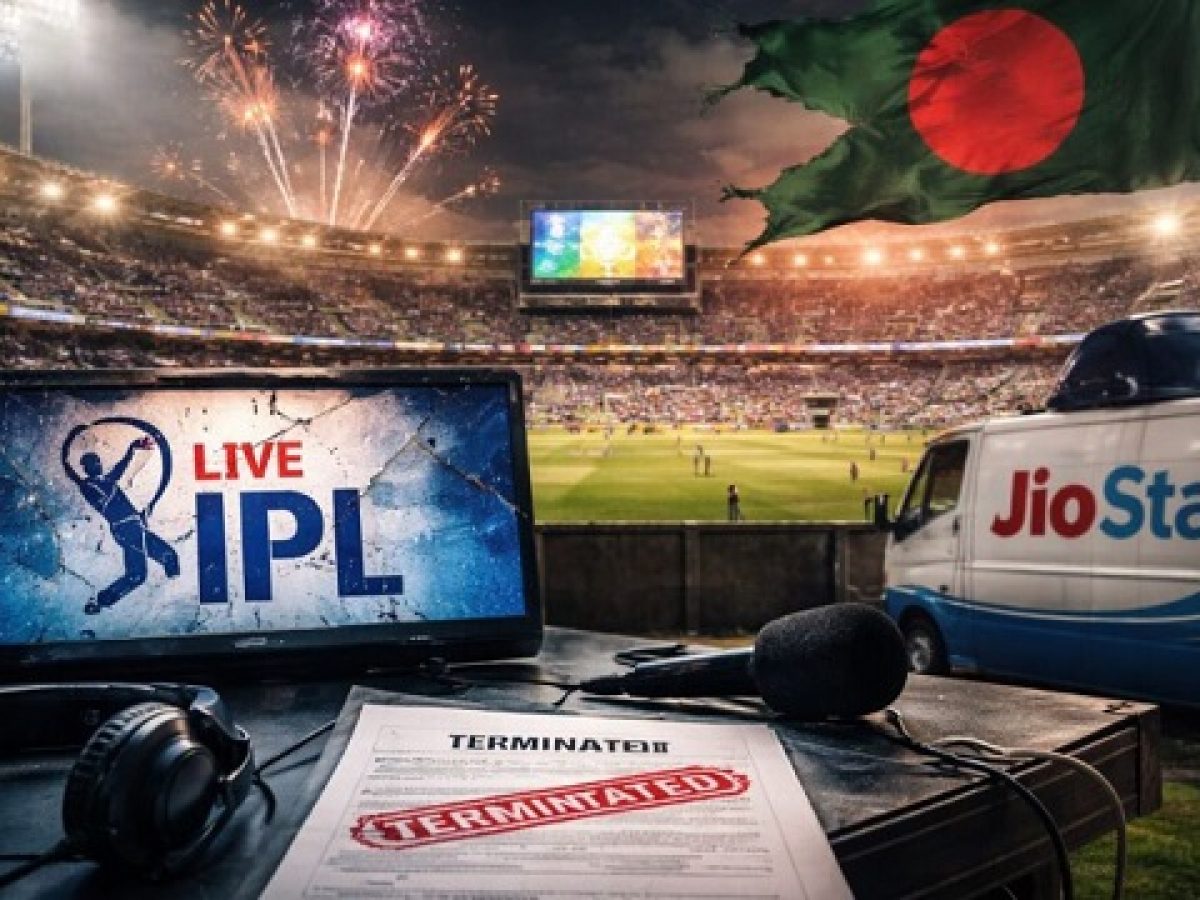
JioStar has terminated its Indian Premier League (IPL) and Women’s Premier League broadcast agreement in Bangladesh following a payment dispute with its local partner. The decision leaves the 2026 season without an official broadcaster in one of cricket’s most engaged markets.
The JioStar IPL Bangladesh disruption highlights a major challenge in global sports media distribution. Even high-value properties like the IPL are not immune to financial and contractual risks in international markets.
Consequently, the move underscores how media rights agreements are becoming increasingly complex as leagues expand globally.
IPL’s global expansion relies on regional media deals
The IPL has evolved into one of the most valuable sports properties globally, with strong international viewership beyond India.
Broadcasting rights play a central role in this ecosystem.
The Board of Control for Cricket in India (BCCI) sells rights across regions, allowing local partners to distribute content through television and digital platforms.
In markets like Bangladesh, cricket holds immense popularity, making IPL broadcasting highly valuable.
However, regional deals often depend on:
- Financial commitments from local broadcasters
- Advertising revenue expectations
- Subscription-based monetization models
When these factors do not align, disputes can arise.
The termination of the Bangladesh deal reflects these underlying challenges.
JioStar enforces financial discipline in rights management
The JioStar IPL Bangladesh disruption signals a stricter approach to financial enforcement.
By terminating the agreement due to payment defaults, JioStar is prioritizing:
- Revenue protection
- Contractual compliance
- Long-term sustainability of rights agreements
This move may also serve as a signal to other regional partners.
Ensuring timely payments and adherence to contracts is critical in maintaining access to premium sports content.
In the short term, JioStar may explore alternative distribution strategies.
These could include:
- Appointing a new broadcast partner in Bangladesh
- Expanding direct-to-consumer digital streaming
- Leveraging cross-border viewership through regional platforms
Such flexibility is increasingly important in a fragmented media landscape.
Sports media rights face growing complexity
The disruption comes amid rising competition and complexity in sports media rights.
Global platforms such as Disney, Amazon, and regional players are investing heavily in sports content to attract audiences.
At the same time, monetization models are evolving.
Traditional advertising-based broadcasting is being supplemented by:
- Subscription streaming services
- Hybrid digital platforms
- Direct-to-consumer offerings
In emerging markets, however, monetization remains challenging.
Lower subscription penetration and advertising volatility can impact the financial viability of deals.
The Bangladesh situation reflects these dynamics.
It highlights the gap between the high cost of rights and the realities of local market economics.
Financial risk emerges as key challenge in global rights
The JioStar IPL Bangladesh disruption illustrates a critical issue in global sports media.
While leagues are expanding internationally, financial risks are increasing.
Rights holders must balance:
- Maximizing revenue from global deals
- Ensuring reliability of local partners
- Maintaining audience access across markets
Payment disputes can disrupt not only revenue streams but also fan engagement.
In markets without official broadcasters, audiences may turn to unofficial or fragmented viewing options.
This creates additional challenges for rights holders in protecting content and maintaining brand value.
Digital distribution may reshape regional access
Looking ahead, the IPL’s distribution strategy in markets like Bangladesh may evolve.
Several trends are likely to shape the future:
- Increased focus on direct digital streaming
- Greater scrutiny of regional partners’ financial strength
- Hybrid distribution models combining TV and OTT platforms
JioStar may prioritize partners with strong financial backing and digital capabilities.
Alternatively, the company could expand its own platforms to reach audiences directly.
For fans in Bangladesh, the immediate impact is uncertainty around access to IPL 2026 matches.
However, the long-term outcome may lead to more stable and scalable distribution models.
JioStar decision highlights risks in global sports media
JioStar’s termination of the IPL broadcast deal in Bangladesh underscores the financial and operational risks involved in global sports media rights. While the IPL continues to grow as a global property, ensuring reliable distribution remains a key challenge.
As the media landscape evolves, rights holders must adopt more flexible and resilient strategies. The JioStar IPL Bangladesh disruption serves as a reminder that even the most valuable sports leagues must navigate complex market realities to sustain global reach.