


RIZIN NYE results deliver shock, speed, and statement wins
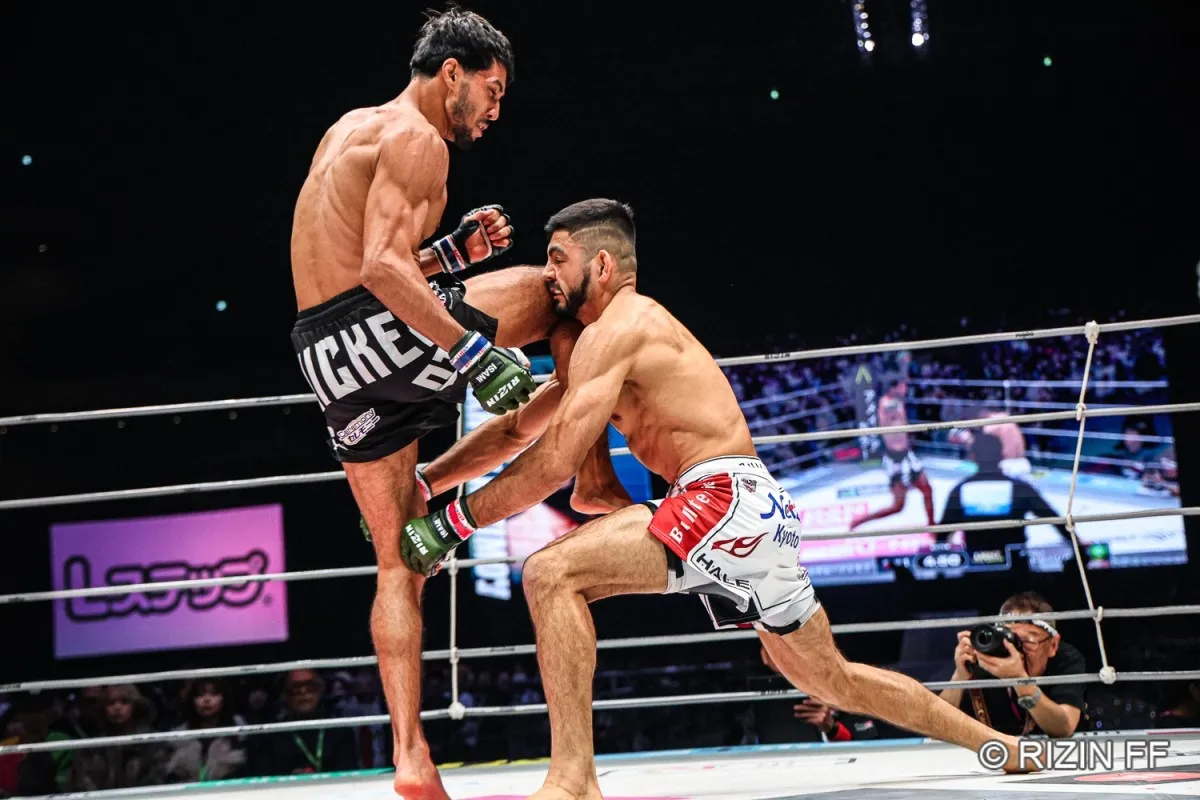
RIZIN’s New Year’s Eve event in Saitama once again proved why it remains Asia’s most distinctive MMA showcase. The year-ending card delivered decisive title outcomes, dramatic finishes, and symbolic moments that reshaped multiple weight divisions in Japanese mixed martial arts.
The headline results stood out for their clarity. Razhabali Shaidulloev successfully defended his featherweight title, Ilkhom Nozimov stunned the arena with a 13-second knockout to claim the lightweight belt, and veteran Hiromasa Ougikubo captured the flyweight grand prix crown. Together, the outcomes underscored RIZIN’s ability to blend global talent with domestic legacy on its biggest stage.
Why RIZIN’s New Year’s Eve card still defines Asian MMA
RIZIN’s New Year’s Eve events occupy a unique place in Japanese combat sports culture. Unlike standard fight nights, the NYE card functions as both a sporting climax and a cultural ritual. It attracts casual viewers, long-time fans, and international attention in a way few MMA promotions outside the UFC can replicate.
Over the years, RIZIN has positioned these events as defining moments rather than routine title defences. Fighters understand that performances on this stage can shape careers, not just rankings. As a result, bouts often carry heightened urgency, and outcomes tend to resonate well beyond Japan’s borders.
The 2025 edition continued this tradition. With multiple titles and a grand prix final on the line, the event offered a snapshot of where Japanese MMA stands today, blending emerging international champions with respected domestic figures.
Title outcomes signal a new competitive balancef
In the featherweight division, Razhabali Shaidulloev’s title defence reinforced his status as one of RIZIN’s most complete champions. His performance showed control rather than spectacle, emphasising positional dominance, composure, and tactical discipline. By retaining his belt on the sport’s biggest domestic stage, Shaidulloev strengthened his claim as a long-term anchor for the division.
The lightweight title fight delivered the night’s most explosive moment. Ilkhom Nozimov’s 13-second knockout instantly entered RIZIN highlight history. The finish was not only fast but symbolic. It signaled a power shift in a division traditionally known for drawn-out, technical battles. Nozimov’s rise injects volatility into the lightweight class and forces contenders to rethink risk management.
Meanwhile, Hiromasa Ougikubo’s flyweight grand prix victory carried emotional and strategic weight. A veteran with deep roots in Japanese MMA, Ougikubo’s win represented experience overcoming generational transition. The grand prix format rewarded consistency and adaptability, traits that younger prospects sometimes struggle to match under pressure.
Collectively, these outcomes suggest RIZIN is entering a new cycle. International champions now hold multiple belts, yet Japanese veterans still command relevance through tournament formats rather than single-bout title shots.
RIZIN balances globalisation with cultural identity
RIZIN’s NYE results highlight how the promotion is navigating globalisation without abandoning its identity. Unlike purely global promotions, RIZIN does not frame success solely through international expansion. Instead, it integrates foreign champions into a Japanese storytelling framework that values ceremony, respect, and long-term narrative.
Shaidulloev and Nozimov represent the global dimension. Their success reflects RIZIN’s willingness to crown the best fighters regardless of origin. At the same time, Ougikubo’s grand prix win preserves continuity with Japan’s MMA lineage. This balance is deliberate. It ensures domestic audiences remain emotionally invested even as divisions internationalise.
From a business perspective, this approach sustains differentiation. RIZIN does not compete with global leagues on scale. It competes on experience and symbolism. New Year’s Eve remains its strongest asset, and decisive outcomes like this year’s reinforce that positioning.
What these results mean for RIZIN in 2026
Looking ahead, the lightweight division becomes RIZIN’s most unpredictable storyline. Nozimov’s knockout win raises immediate questions about challengers, rematches, and stylistic matchups. Fast finishes generate attention, but sustaining a division requires depth and rivalries. How RIZIN builds around this champion will matter.
In featherweight, Shaidulloev’s dominance creates a different challenge. The promotion must cultivate credible contenders to avoid stagnation. International recruitment and cross-promotional matchups could play a role in maintaining competitive tension.
For the flyweight class, Ougikubo’s grand prix victory may mark a transition point. RIZIN could leverage his win to elevate the next generation by framing future bouts as legacy challenges. Tournament formats may remain central to this division’s identity, offering narrative depth beyond standard title defences.
More broadly, the 2025 NYE event reinforces RIZIN’s strategic focus. Rather than chasing year-round saturation, it continues to concentrate impact around milestone events. This model suits the Japanese market and preserves the sense that certain nights still matter more than others.
RIZIN NYE results reaffirm Japan’s distinct MMA ecosystem
The RIZIN New Year’s Eve event in Saitama delivered decisive outcomes that reshaped multiple divisions and reinforced the promotion’s unique place in Asian MMA. From Shaidulloev’s composed title defence to Nozimov’s lightning-fast knockout and Ougikubo’s veteran triumph, the night balanced shock with substance.
As Japanese MMA evolves, RIZIN continues to prove that identity and competitiveness can coexist. The 2025 NYE results did more than crown champions. They set the tone for how the promotion will navigate talent, tradition, and transition in the year ahead.